As the American market becomes more familiar with variable refrigerant flow (VRF) systems, it’s discovering firsthand the technology’s ability to deliver exceptional comfort with lower life cycle costs. Additionally, contractors are touting the ability to perform maintenance on systems individually, allowing them to fix a problem without disrupting the comfort delivered to the remainder of the facility.
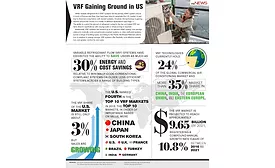
The global VRF market is projected to reach approximately $9.65 billion by 2021, registering a compound annual growth rate (CAGR) of 10.8 percent between 2016 and 2021.
VRF systems can achieve up to 30 percent HVAC energy cost savings relative to minimally code-conventional-compliant systems or older inefficient systems across a range of building types, according to the Pacific Northwest National Laboratory. In addition to energy savings, VRF systems offer flexibility, cost-effective installation, and greater comfort for end users.
The 6-, 8-, 12-, 14-, 16-, and 24-ton VRF heat pump systems feature inverter compressor technology with highly efficient heating function down to minus 13°F ambient air temperature due to scroll compressor and liquid-injection technologies.
Mark Kuntz, senior vice president, Mitsubishi Electric US Cooling & Heating Division, shares with our HVAC contractor readers the ductless technology trends he is seeing from a manufacturer’s perspective and what contractors can do to sell the product.
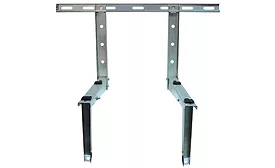
This heavy-duty, hot-dipped, galvanized steel wall bracket is fully adjustable. It features a sliding crossbar, built-in level, and rubber isolation vibration mounts.
Manufacturers introduce commercial products for cooling season
May 2, 2016
The manufacturers provided all of the data included in the product grid as well as the photo feature. Therefore, any questions should be directed to them via the contact information provided in the photo feature section.
VRF systems have become very popular in the commercial market and are expected to gain even more market share in the coming years. Each system type comes with its own unique set of benefits, and as long as building owners and managers remain open minded, they may be surprised at the possibilities now available.
Dozens of major manufacturers are now offering a variety of training options ranging from short online offerings to extensive on-location training in hopes of making ductless HVAC a worthwhile investment for consumers and contractors.
 RSS
RSS