For HVAC refrigerants, the changes keep coming fast and furious at a time when the global demand continues to grow apace. Changes implemented via the EPA’s Significant New Alternatives Policy (SNAP) program, combined with the continued phase out of R-22, will lead contractors to seek out opportunities to gain experience with the use of new low-GWP refrigerants.
GHPs may not often be a consumer’s first choice for heating and cooling, but many contractors remain dedicated to the technology, and they’re still finding consumers who want GHPs — even in areas where their benefits are not known as well.
The New York City Council voted unanimously to pass a bill that encourages the installation of geothermal energy and requires that geothermal heat pumps be considered for all new construction and retrofits of city-owned buildings.
While some folks are harder to please than others, HVAC contractors say there are proven practices that can help prevent a tense situation from escalating. And, with the right tactics, you can even turn an angry customer into a happy, satisfied one.
Geothermal heat pumps (GHPs) have been around for a long time, but recent technological advances have propelled these systems into a new sphere of efficiency and comfort.
As customer interest in geothermal has increased, numerous HVAC contractors have begun offering GHPs as a way to expand their businesses and give their customers another energy-efficient HVAC option. But, while many of these contractors have undergone extensive training and took the time to properly design and install their GHP systems, others may not have been so careful.
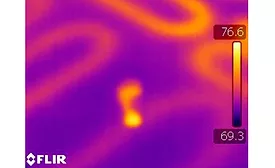
Considering everything we do revolves around heat transfer, there’s no better way to visualize heat transfer than with thermal imaging. The technology is getting more affordable every day, and the quick return on investment makes this technology a no-brainer.
If you’ve never tried a radiant ceiling panel, I urge you to do so. I’ve used this panel construction on several projects and have always been delighted with the installation method, performance, and lack of problems.
The HVACR industry lost a good one Feb. 10 with the passing of WaterFurnace president and CEO Tom Huntington due to cancer. Huntington passed away peacefully, surrounded by his family at the Kansas City Hospice House.
On Feb. 10, Carrier announced plans to relocate its Indianapolis manufacturing operations to a location near existing Carrier manufacturing facilities in Monterrey, Mexico, over the course of an estimated three-year period.