ACHR News
search
Ask ACHR NEWS AI
cart
facebook twitter instagram linkedin youtube
  • Sign In
  • Subscribe
  • Sign Out
  • My Account
ACHR News
  • NEWS
    • Breaking News
    • New HVAC Products
    • Featured Products
    • Manufacturer Reports
    • HVAC Data
    • Legislation
    • ACHR NEWS Centennial
  • RESIDENTIAL
    • Air Conditioners
    • Furnaces
    • Residential Heat Pumps
    • Ductless
    • Residential IAQ
    • Testing, Monitoring, Tools
    • Components & Accessories
  • COMMERCIAL
    • Air Handlers
    • Rooftop Units
    • Chillers and Cooling Towers
    • Commercial Heat Pumps
    • Boilers and Hydronics
    • VRF/Ductless
    • Commercial IAQ
  • REFRIGERATION
    • Refrigerants
    • Refrigerant Regulations
    • Leak Management
  • CONTRACTOR PRO
    • Geothermal
    • Homeowner Study
    • VRF and VRV Ductless
    • Unitary Trends
  • EDUCATION
    • Training and Education
    • Business Management
    • Service and Maintenance
    • Continuing Education
    • Market Research >
      • HVAC Brand Awareness Report
      • VRV, VRF, VRVZ Report
      • Unitary Trends Report
      • Water Heat Professionals Report
    • Webinars
    • Sponsor Insights
    • eProducts Info
    • White Papers
  • EVENTS
    • HVAC Contractor Forum
    • Industry Events and Webinars
  • MEDIA
    • Videos
    • AHR Expo 2025 Videos
    • Podcasts >
      • ACHR News Podcast
      • HARDI Podcasts
      • AHR Expo Podcasts
      • ACCA Podcasts
    • Interactive Spotlights
    • Quizzes
    • eBooks
    • HVAC Talkback
  • HVAC GROUP
    • ACHR NEWS >
      • Current Issue
      • Digital Edition
      • Subscribe
    • Distribution Trends
    • SNIPS NEWS >
      • Join SNIPS NEWS
    • Engineered Systems News >
      • Join ES News
    • HVACR Directory
    • Contests
    • Newsletters
    • Contact
    • Advertise
    • My Account

GAMAzine: Annual Maintenance of Gas Appliances Recommended

July 24, 2006
Routine maintenance of a home's appliances will ensure they operate not just with maximum efficiency, but also correctly and safely. The key here is to seek a qualified and licensed contractor to install and inspect all gas appliances in a home.

For instance, proper combustion and venting are important for an efficient and safe home appliance. Gas flow and mixing air contribute to proper flame shape and correct combustion. Bird or other animal nests; children's toys; and leaves, branches, and other yard debris can partially or completely block vents that can lead to inadequate venting.

One of the byproducts of burning natural gas is water vapor. Water vapor that is not properly vented and expelled outside a home can condense in the vent and lead to corrosion of the vent system. Over time, this can lead to failure of the venting system. This can introduce toxic gases into a home that otherwise would be vented to the outside air. Vent corrosion can also lead to a shorter-than-expected service life of a gas appliance.

Another big concern is carbon monoxide (CO), a colorless, odorless, tasteless gas that is formed when carbon-based fuels - such as kerosene, gasoline, propane, natural gas, oil, charcoal, or wood - are burned with inadequate amounts of oxygen, creating a condition known as incomplete combustion. In the case of home gas appliances, this can be caused by improper installation, poor maintenance, or other appliance misuse or failure. When incomplete combustion occurs in a home's gas appliances, CO is produced, and this can lead to carbon monoxide poisoning.

The bottom line is this: A qualified and licensed technician is needed. The Gas Appliance Manufacturers Association (GAMA) recommends to consumers that they seek a tech certified by the North American Technician Excellence (NATE), someone who is trained to recognize and correct problems when servicing a home's gas appliances.

"Most consumers know very little about HVAC," said Carl Smith, director of marketing and public relations for NATE. "By saying you are knowledgeable and you can prove it, then you are a known quantity. Certified means you know all about heating and air conditioning. At least there is this third-party verification of your knowledge. It gives you more validity. It is a reassurance to the consumer that you are knowledgeable and you will not take advantage of the consumer."

There are many gas appliances in a home that require maintenance. This includes making sure there is proper combustion and venting both inside and outside a home.

MAINTENANCE: WHAT TO LOOK FOR

A homeowner may not know that a bright blue flame indicates that a gas appliance is operating correctly. A clean flame also means an appliance is efficiently burning and properly adjusted.

If a homeowner suspects an appliance is not operating properly, a qualified technician should be called. A qualified and licensed service tech can supply the following services:

  • Look for recalls or service bulletins by manufacturer and model number.

  • Supply proper venting.

  • Check for access and fire safety.

  • Fuel/air adjustment for proper flame color and size.

  • Test for carbon monoxide.

  • Check gas controls and safeties.

  • Check combustion and ventilation airflow.

  • Check for heat exchanger serviceability, leaks, corrosion, gaskets, controls, and safeties.

  • Check filters.

  • Supply required lubrication.

  • Supply unit cabinet care.

  • Check fan blades and/or blower.

  • Check gas connections.

  • Check flue/vent stack system.

  • Inspect burner assembly.

  • Check airflow.

  • Inspect general wiring.

  • Check induced draft and supply air motors.

  • Go through operation sequence.

  • Check ignition.

  • Identify temperature rise.

  • Check condensate/drain system.

    In short, a certified tech can provide the peace of mind consumers and homeowners seek and want.

    GAMA recommends that a homeowner seek a tech certified by the North American Technician Excellence (NATE) to provide needed routine maintenance of a home’s appliances. To become NATE certified, visit www.natex.org.

    NATE CERTIFICATION

    To earn NATE certification, for instance, a technician must pass both a core and a specialty test in the same area with a grade of 70 percent or higher on each. There are 50 questions on core tests and 100 on specialty tests. When a technician passes both a core and specialty test, the technician is sent a wallet card reflecting the certifications earned or credited, a certificate for the certification earned, and a NATE patch and specialty chevron for the test passed.

    If a technician fails one of the two tests, certification is not awarded until the candidate successfully retakes the test failed. The test the technician passed does not need to be retaken. Tests should not be retaken for 30 days from the original test date to give the candidate time to study and review.

    Candidates must complete certification requirements within two years of the first test they passed, or they have to start over. Candidates who do not retake the test they failed lose credit for the test they passed if they do not successfully pass their retest within two years. If two years elapse, and they have not passed both tests, they must retake both.

    "NATE-certified technicians are skilled, third-party-certified professionals, the best in the heating, ventilation, air-conditioning, and refrigeration industry," said Smith.

    For more information on becoming NATE certified, visit www.natex.org.

    NATE-certified technicians are considered skilled, third-party-certified professionals.

    MAINTENANCE: WHAT HOMEOWNERS CAN DO

    While certified techs can supply the needed annual maintenance checkups, homeowners should also perform simple inspections of their systems by using the appliance manufacturers' maintenance instructions. These instructions may include information on:

  • Visually checking the main burner, pilot, and combustion chamber.

  • Checking blower belts, if any, for signs of wear.

  • Furnaces and the need to oil the blower motor.

  • Vacuuming debris from burner compartments.

  • Replacing the air filter.

    "Homeowners can also look for signs of problems by inspecting the ducts and venting systems of their gas appliances," said Phil Gauthier, one of the managers in technical services at GAMA.

    Homeowners can look for:

  • Cracks or openings around the flue or vent pipes.

  • Signs of rust in or on the outside of vent systems. "This may be caused by excessive condensation inside the flue," said Gauthier. "This could indicate an improperly adjusted burner or a problem with the vent system. This should be evaluated by a trained expert and corrected by a qualified/licensed technician."

  • Vent caps installed and attached correctly.

    According to Gauthier, homeowners should also make sure to properly replace the front panels of a forced-air unit or the burner compartment door of a gas wall heater.

    "Most forced-air furnaces have a filter that cleans the heated air circulating through the home," said Gauthier. "The filter should be checked monthly for dust and lint buildup during periods of furnace use and cleaned or replaced if necessary."

    When installing a new or cleaned filter, a homeowner should be sure to reinstall the front panel door of the furnace properly so it fits snugly. Never operate the furnace without the front-panel door properly in place because doing so may create the risk of carbon monoxide poisoning, said Gauthier.

    "Most forced-air furnaces have a safety switch that prevents furnace operation when the door or panel to the blower compartment is not in place," said Gauthier. "Some older forced-air furnaces do not have a safety switch and can be operated with the filter compartment door/panel off or not properly in place. These older furnaces, when installed in a closet and operated with the panel/door not in place, will circulate carbon monoxide throughout the house."

    MORE SAFETY MEASURES

    In addition to routine maintenance:

  • Earthquakes and other seismic events can cause improperly secured water heaters to move or topple. This can damage the vent system and/or the gas supply line. To help prevent this, Gauthier suggested to strap it firmly to the wall studs in two places. ("The upper and lower one-third of the tank with heavy bolts and metal tape," he suggested.) Be sure to place the lower strap at least 4 inches above the thermostat controls. Kits are usually available at a local hardware store.

  • Never store or use flammable products such as gasoline, paint thinner, or cleaning products in the same room or near any gas or heat-producing appliance.

  • When using a vented gas fireplace, make sure the damper is open.

  • Never use a gas oven for space heating.

    "If vent system repairs are necessary, have all gas appliances and venting repairs done by a NATE gas appliance/heating technician/contractor. This will assure the work is done properly, safely, and according to local and national codes," said Gauthier.

    While the chance of injury or death from accidental carbon monoxide poisoning from a home gas appliance is rare, it is mostly preventable.

    "It is essential to perform regular maintenance on home gas appliances to ensure safety," summarized Gauthier. "We recommend that gas appliances be checked at least once a year by gas service providers or other qualified and licensed technicians."

    Publication date: 07/24/2006

  • Looking for quick answers on air conditioning, heating and refrigeration topics? Try Ask ACHR NEWS, our new smart AI search tool. Ask ACHR NEWS →

    Share This Story

    Looking for a reprint of this article?
    From high-res PDFs to custom plaques, order your copy today!


    Recommended Content

    JOIN TODAY
    To unlock your recommendations.

    Already have an account? Sign In

    • HVAC-enrollment

      The Trades Are Back: HVACR Programs See Nearly 30% Enrollment Spike

      A new wave of future technicians is entering the pipeline.  
      News
      By: Matt Jachman
    • 2025 Top 40 Under 40

      2025 Top 40 Under 40 HVACR Professionals List

      The 11th annual Top 40 Under 40 list highlights those...
      News
      By: Hannah Belloli-Oster
    • LG Ductless Mini-Split Systems

      The 9 Types of Heat Pumps

      As the U.S. moves toward electrification, heat pumps are...
      Heat Pumps
      By: Joanna R. Turpin
    Subscription Center
    • Create an Account
    • Start a Subscription
    • Manage My Account
    • Sign Up for Newsletters
    • Visit Customer Service
    • Update Preferences

    More Videos

    Sponsored Content

    Sponsored Content is a special paid section where industry companies provide high quality, objective, non-commercial content around topics of interest to The News audience. All Sponsored Content is supplied by the advertising company and any opinions expressed in this article are those of the author and not necessarily reflect the views of The News or its parent company, BNP Media. Interested in participating in our Sponsored Content section? Contact your local rep!

    close
    • Piggy Bank
      Sponsored byWatercress Financial

      Energy Prices, Inflation, and HVAC: What Today’s Homeowners Care About

    • Refrigerated Food
      Sponsored bySolstice Advanced Materials

      R-455A Refrigeration: A Cold Storage Solution for the Future

    • Airex Rooftop Units
      Sponsored byAirex Manufacturing Inc

      Consolidating Roof Penetrations: A Growing Trend in Multifamily HVAC Design

    Popular Stories

    HVAC-Price-Increase-graphic

    HVAC Price Increase List: June 2026

    Trump-Section-232.jpg

    Trump Reduces Section 232 Tariffs on HVAC Equipment to 15%

    R410A-Refrigerant-Cylinder.jpg

    Refrigerant Recovery is a Revenue Opportunity

    Heat-pump-cutaway.jpg

    PFAS Rules and A2L Building Codes Continue to Evolve

    Midea-training.jpg

    HVAC Workforce Crisis Expands Beyond Technicians to Instructor Shortages

    View The ACHR NEWS
    Centennial Anniversary Timeline

    The ACHR News Timeline Chart
    Submit a Letter
    Submit a letter to our editors.

    Events

    November 6, 2025

    Next-Gen Data Center Cooling: HVAC Innovation and Real-World Solutions

    On Demand As AI workloads and high-density computing push traditional cooling methods to their limits, the data center industry is accelerating the adoption of next-generation HVAC technologies.

    June 17, 2026

    Decarbonization Without Disruption

    This webinar will explore practical HVAC decarbonization strategies that minimize disruption while maximizing long-term performance and ROI.

    View All Submit An Event

    Poll

    Summer Staff

    Are you fully staffed for the summer season?
    View Results Poll Archive

    Products

    BNI Mechanical/Electrical Square Foot Costbook, 2026 Edition

    BNI Mechanical/Electrical Square Foot Costbook, 2026 Edition

    See More Products
    Decarbonization Without Disruption - Free Webinar - 6/17/2026

    Related Articles

    • Dec. 2, 2009: AHRI Warns Consumers About Modification of Gas-Fired Appliances

      See More
    • Oct. 24, 2008: ICC Recognizes Acceptability of Vent-Free Gas Appliances

      See More
    • Servicing Gas Appliances - Part 1

      See More

    Related Products

    See More Products
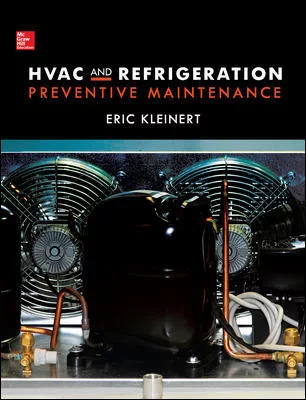
    • HVAC and Refrigeration Preventive Maintenance.jpeg

      HVAC and Refrigeration Preventive Maintenance

    • Green Tips for Building Maintenance Engineers

    • Tech_CommRef_Guide_Small.jpg

      Technician’s Guide & Workbook for Quality Maintenance on Commercial Refrigeration Equipment

    See More Products
    ×

    Sign Up. Stay Informed.

    The #1 trusted source for the HVACR industry since 1926

    SUBSCRIBE
    • RESOURCES
      • Advertise
      • Contact Us
      • Advisory Board
      • Classifieds
      • Submit a Letter
      • Directories
      • Store
    • ACCOUNT CENTER
      • Create an Account
      • Start a Subscription
      • Manage My Account
      • Sign Up for Newsletters
      • Visit Customer Service
      • Update Preferences
    • SERVICES
      • Marketing Services
      • Reprints
      • Market Research
      • List Rental
      • Survey/Respondent Access
    • STAY CONNECTED
      • LinkedIn
      • Facebook
      • Instagram
      • YouTube
      • X (Twitter)
    • PRIVACY
      • PRIVACY POLICY
      • TERMS & CONDITIONS
      • DO NOT SELL MY PERSONAL INFORMATION
      • PRIVACY REQUEST
      • ACCESSIBILITY

    Copyright ©2026. All Rights Reserved BNP Media, Inc. and BNP Media II, LLC.

    Design, CMS, Hosting & Web Development :: ePublishing