Sponsored Content
How to Extend the Life of AC Equipment: A Guide for HVAC Technicians

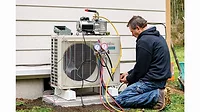
Premature AC failures rarely come out of nowhere. In most cases, they trace back to a handful of preventable factors that compounded subtly over time, often during service visits where the right intervention could have changed the outcome.
For homeowners, the financial stakes are high. Compressor replacements alone can run $1,800 to $2,800 depending on system size, efficiency rating and installation complexity. Full system replacements push costs considerably higher. An AC system should last 10 to 15 years according to the U.S. Department of Energy, but that range assumes consistent maintenance, proper operating conditions and protection from electrical and mechanical stress. When those conditions aren't met, equipment life shortens fast.
The decisions a technician makes on a routine service call carry more weight than most homeowners realize. Knowing which specific factors imperceptibly erode system performance and addressing them before things escalate is what separates a technician who extends the life of HVAC equipment from one who inherits the consequences of deferred problems.
AC Compressor Protection Starts at Start-Up
The compressor absorbs its greatest stress not while running, but in the fraction of a second it takes to start. During each cycle, inrush current can spike to 45,000 watts—or roughly 10 times the running load, and about 20 times what a large stove burner draws at full heat. That spike lasts only a moment, but compressor start-up stress compounds over time. Across a cooling season with 6,000-plus cycles, the cumulative heat, wear and electrical strain on motors, terminals and capacitors adds up.
No single start causes a failure. But a four-year-old system showing weakened capacitor performance or early winding degradation isn't unusual when thousands of hard starts have been stacking up since installation.
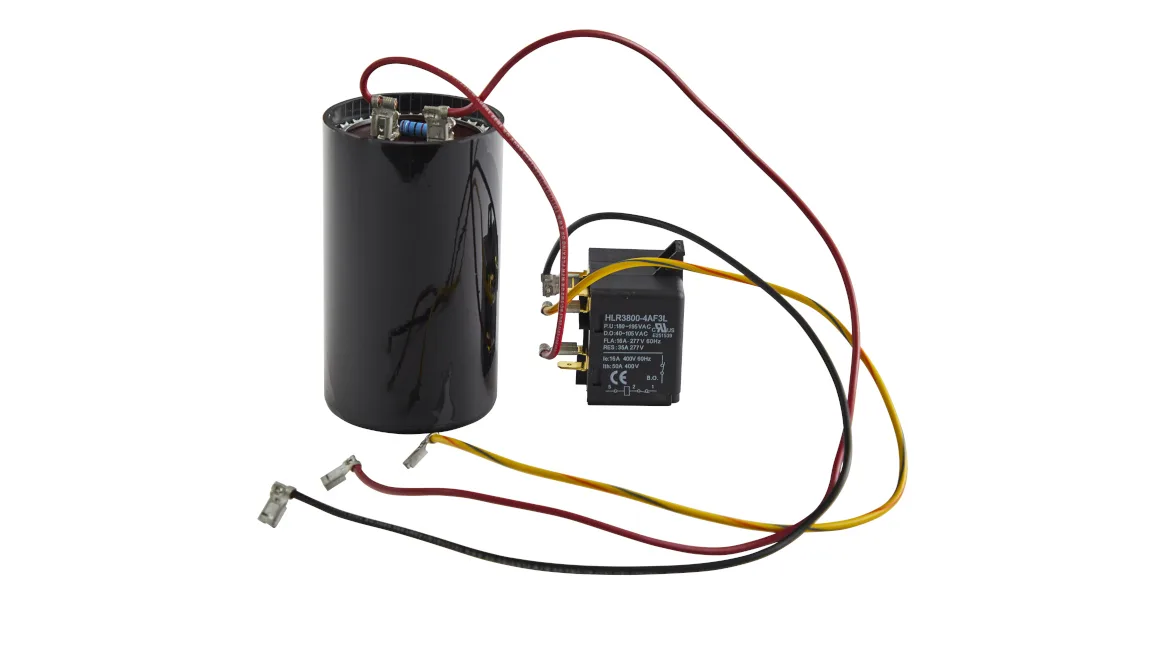
A hard start kit addresses this directly. By providing an additional torque boost, it helps the compressor reach operating speed faster, which shortens the duration of peak inrush and reduces the heat generated each cycle. The 5-2-1® Compressor Saver® takes this further with a multi-layer starting capacitor and smart switching technology. Available for systems from 1 to 5 tons, it's a field-installed upgrade that targets one of the more consistent sources of premature compressor wear.
Power Surges: Silently, Slowly Degrading Components
While lightning strikes and major utility events draw attention, most power surge HVAC damage builds gradually. Homes can experience as many as 150 power surges a month. Many come from within the home when high-draw appliances cycle on and off, are too small for homeowners to notice. Regardless, the AC system registers every one of them. Repeated exposure to these surges can slowly degrade sensitive HVAC components.
Looking for quick answers on air conditioning, heating and refrigeration topics? Try Ask ACHR NEWS, our new smart AI search tool. Ask ACHR NEWS
Because today’s HVAC systems use variable speed compressors, communicating controls and advanced electronics, they can be particularly vulnerable. These components are far more sensitive to voltage fluctuations than older, single-stage equipment.
An aging electrical grid with increased demand during peak times and frequent outage-restoration events can also cause inconsistent voltage. A technician working in an older neighborhood or in areas prone to summer storms can often see these effects firsthand.
If a relatively new system experiences a control board failure after only a few years in service, the replacement cost can be hundreds of dollars. Even though no single electrical surge was reported, the repeated exposure to these smaller voltage events may have weakened the sensitive electronics.
This potential cost builds a solid case for installing surge protection for HVAC equipment, an increasingly valuable recommendation during service calls.
The 5-2-1® Thermally Protected Surge Protection Device (TPSPD) can protect against voltage transients before they reach critical system components. The TPSPD features patented, thermally protected MOV technology and supports both Type 1 and Type 2 installations. Since it’s within a durable NEMA 4X enclosure, it can be used with a wide range of residential applications. A convenient LED indicator allows technicians to quickly verify its status during future service visits.
For homeowners who want to increase the longevity of their AC system, protecting the system from electrical stress is one of the most cost-effective investments they can make.
Other Factors That Accelerate Premature Equipment Failure
Start-up stress and surge exposure aren’t the only causes of breakdowns. Other issues can also contribute to shortening equipment life in a residential system.
Refrigerant Charge Accuracy is Critically Important
Overcharging a system can be just as damaging as undercharging one. An improper charge can increase the workload of the compressor and contribute to liquid slugging. This is a leading cause of compressor valve damage. Most times, the performance of the system can degrade before the system fails.
In today’s more sophisticated systems, an accurate charge is critical. Weighing in refrigerant instead of just estimating can ensure proper operation, especially when a system is equipped with Thermostatic Expansion Valves (TXVs) that have tighter, less forgiving tolerances. Investing in a highly accurate charging scale, such as the Compute-a-Charge® CC220, can ensure a precise charge every time.
The Condition of the Condenser Coil and Its Impact on Compressor Health
While a dirty or partially restricted condenser coil probably won’t trigger a service call, it can quietly raise discharge pressures and operating temperatures. A technician who monitors these readings can identify these issues as they develop proactively, before they escalate to failures. If a system appears in working order on a mild day, it might be operating closer to its thermal limits than designed. Peak summer conditions could push it over the edge.
Keeping coils clean and unrestricted is an AC maintenance best practice techs should always observe. Doing so can help increase air conditioner longevity while reducing unnecessary strain on critical components.
Tracking Capacitor Performance Over Time
Capacitors on systems can frequently provide an early warning sign of developing stress. Instead of waiting for a no-start condition on the system, a technician can document capacitor readings during routine maintenance. Changes in these readings can identify declining performance before it contributes to hard starts, amperage draws or motor failures.
This insight into the capacitor health across multiple service visits can help technicians understand the overall health of the system and maximize AC lifespan through proactive intervention.
Small Decisions Add Up to Longer Equipment Life
The average AC lifespan can stretch well beyond its baseline when service calls account for long-term equipment health, not just immediate issues. Premature failures rarely trace back to a single event, they result from years of accumulated compressor start-up stress, electrical surge exposure and overlooked warning signs. Few solutions address those factors more directly or offer better long-term value for extending the life of AC systems than a hard start kit and surge protection for HVAC systems. The 5-2-1® Compressor Saver and the TPSPD make those protections easy to implement and easy to confidently recommend to homeowners.
Looking for a reprint of this article?
From high-res PDFs to custom plaques, order your copy today!