HVAC Enrollment Is Outperforming Broader Vocational Education
Trade programs are attracting more students, but recruiting, training, and retention pressures persist
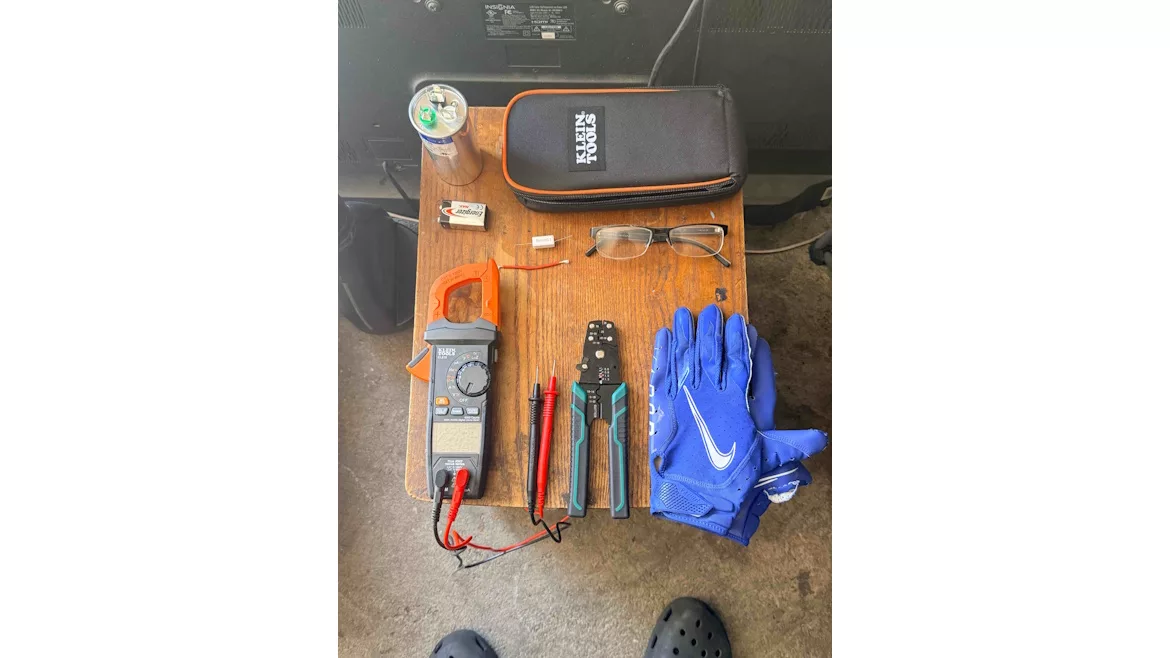
PRACTICAL MATTERS: As trade enrollment increases, education bridges training with on-the-job readiness for program innovators. An online SkillCat JobReady lesson exercise setup.
HVAC training programs are seeing some of the strongest enrollment growth in years, signaling renewed interest in skilled trades careers as contractors continue searching for technicians to meet rising demand.
Enrollment in two-year HVACR programs increased nearly 30% in 2025 and continued climbing in 2026, according to data from the National Student Clearinghouse Research Center. HVAC enrollment is outperforming the broader vocational education sector, the survey revealed.
The gains come as contractors face ongoing labor shortages driven by retirements, expanding service demand, and the growing complexity of HVAC systems.
Industry Messaging Gains Traction
HVAC continues to outpace many other career and technical education programs. Enrollment at public two-year colleges has risen more than 60% since 2020, with gains accelerating over the past two years.

ONLINE AND IN-PERSON: A cohort of online students via SkillCat’s new 13-week program that pairs students, employers, and workforce development partners. (Courtesy of SkillCat and JobReady).
After increasing nearly 29% in 2025, enrollment grew another 16.7% in 2026. The growth coincides with increased industry efforts to promote skilled trades careers and highlight the job security and earning potential available in HVACR.
“The industry has effectively communicated that these are good-paying jobs with strong potential for career growth, business ownership opportunities, and job security in that these are jobs that require skilled hands and will not be automated," said Mark Valentini, vice president of legislative affairs for the Plumbing-Heating-Cooling Contractors Association (PHCC).
Valentini said other factors are also contributing to the trend.
Looking for quick answers on air conditioning, heating and refrigeration topics? Try Ask ACHR NEWS, our new smart AI search tool. Ask ACHR NEWS
“The pandemic and the student loan crisis, we suspect, played a role in the realization that these jobs are essential and in high demand, and that a college education is not the only pathway to the middle class, considering the cost and inability of many graduates to secure a job in their field of study and/or one that pays sufficiently to offset the cost of tuition,” he said.
Although enrollment growth at vocationally focused two-year colleges slowed to 2.8% this spring, HVAC programs continue to post outsized gains.
Valentini said growing demand for skilled workers, rising awareness of career opportunities, and changing perceptions about four-year degrees are helping drive enrollment gains.
“Policymakers have been diligent in expressing the importance of the building trades and cultural attitudes toward the trades seem to be shifting back to positive,” he said.
Eugene Silberstein, national programs director at HVAC Excellence and a 45-year industry veteran who has spent 30 years in the classroom, said it is not just traditional students seeking HVAC training.
“Although younger people are considering trade schools over traditional education paths, many career and technical education (CTE) programs are seeing an increase in HVACR enrollment as a result of older individuals who are seeking career changes,” Silberstein said.
“In addition, the economic realities that face us all are helping to increase the number of individuals choosing stable careers that, at the present time, cannot be automated or outsourced,” he said.
Enrollment Isn't Employment
The enrollment trend extends beyond community colleges. Dan Quinonez, chief operating officer of the PHCC National Association, said the organization’s HVAC program has seen enrollment increase 15% over the past year.
“Enrollment in workforce programs is growing, but we’re still missing a coordinated, real-time response to actual job vacancies. PHCC contractors are actively engaged in training and placement, yet we represent only a portion of the available positions,” said Quinonez.
“What’s needed is a more unified strategy that removes barriers to quality training without compromising the rigorous standards required to meet the demands of an increasingly technology-driven trade,” he said.
Valentini said his analysis of Bureau of Labor Statistics employment projections continues to show strong demand for HVAC and plumbing professionals, even as projected vacancies have declined from prior forecasts.
Still, industry leaders caution that rising enrollment addresses only one part of the workforce challenge. Retention, mentorship, and on-the-job training remain critical to developing qualified technicians.
“This obviously broadens the pool of qualified applicants from which to draw, but perhaps not at an ideal pace. The current trajectory does bode well for future hiring,” Valentini said.
Retirements continue to outpace new entrants in many markets, and contractors must still invest in training and development to convert student interest into field-ready talent.
Silberstein said that although the numbers will vary across the country, it is estimated that there are presently 100,000 HVACR jobs that need to be filled.
Putting Practice Into Play
Some organizations are experimenting with new workforce-development models designed to accelerate that transition.
SkillCat, an online training platform for HVAC, plumbing, electrical, and appliance repair trades, recently launched JobReady, a 13-week program that pairs students, employers, and workforce development partners.
Ruchir Shah, founder of SkillCat, said the program was developed in response to what he sees as a gap between classroom instruction and hands-on training, and because “many trade schools “tend to repeat a lot of the mistakes of traditional universities; focusing too much on theory and often not providing enough hands-on time.”
“The solution is no longer training. The solution is more effective, more applied training that teaches students only what they need to know, in the most efficient way possible,” he said.
The program combines training, certification, and direct connections to employment opportunities, reflecting broader industry efforts to speed the path from enrollment to employment.
“JobReady helps bridge the gap between training and employment by focusing on specific foundational skills, learning habits, mentorship, and competencies that employers tell us matter,” said Daniel Riggs, head of training at SkillCat.
Riggs is a licensed HVAC technician, plumber and electrician with 25-plus years of experience in the trades.
“Along the way, learners also develop something that’s harder to teach: the grit and persistence required to turn a job opportunity into a long-term career,” he said.
Silberstein shared similar sentiments, saying program graduates still need time in the field to apply their training to real-world diagnostics and develop soft skills such as showing up on time and customer communication.
And contractors need to take an active role in the process, engaging with local trade schools and programs, Silberstein said.
“We continuously encourage contractors to get involved with the training programs in their area,” he said.
“Contractors who build relationships with schools, offer internships, provide job-shadowing opportunities, offer to guest lecture, participate in advisory board meetings, and hire entry-level technicians will benefit the most.”
Whether rising enrollment ultimately translates into more qualified technicians in the field will depend on how effectively contractors, educators, and workforce organizations bridge the gap between the classroom and the jobsite.
“Although increased enrollment in HVACR training programs is a positive sign, creating real-life skilled labor is a years-long process,” Silbersten said. “Regardless of how trade schools make efforts to simulate the real world for their students, the real learning starts the day they start their first real job.”
Looking for a reprint of this article?
From high-res PDFs to custom plaques, order your copy today!