Guest Column
The Hidden Threat to Your HVAC Business: Is Your Subcontractor Supply Chain Safe?
3 steps to audit your subcontractor network
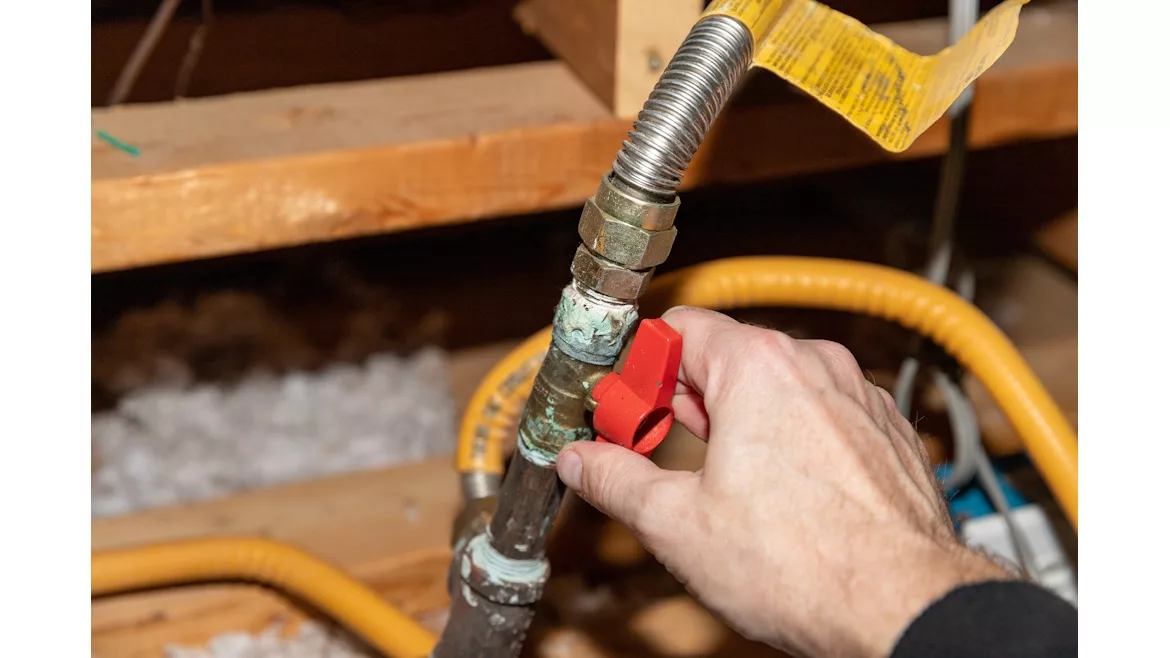
NEW RISKS: New refrigerant regulations are raising the stakes for HVACR contractors, making subcontractor compliance a critical part of risk management.
The HVACR industry is going through one of its biggest shakeups in decades. As the industry transitions to low-GWP refrigerants, like the new mildly flammable refrigerants (A2Ls), contractors are rightfully focused on training techs and buying new equipment.
But doing a great job on the installation is only half the battle. The other half is protecting your business from legal and financial risks hidden in your network of suppliers and subcontractors.
Under the Environmental Protection Agency's (EPA) American Innovation & Manufacturing (AIM) Act, rules are getting stricter. For example, systems with just 15 pounds of refrigerant now have strict leak detection thresholds, and larger systems require automatic leak detectors. If your subcontractors or vendors aren't up to speed on these new rules, your company could become non-compliant and face heavy EPA fines, forced job site shutdowns, or even lose your business insurance coverage.
To protect your hard-earned profits, you have to treat your paperwork as seriously as your tools. Here is how the rules are changing, and how you can audit your network to protect your business.
The New Reality of Business Insurance
Many residential and commercial contractors don't realize how closely their paperwork is tied to their financial survival. The legal world has changed dramatically. Since 2020, massive lawsuits with jury awards over $10 million have tripled. This has hit property managers and construction companies hard. In fact, national apartment building insurance costs jumped a staggering 55% between 2021 and 2024.
Because insurance companies are paying out bigger claims, property owners are getting incredibly strict about who they let onto their properties. Your safety records, EPA cards, and certificates of insurance (COIs) aren't just annoying paperwork anymore — they are the key to the job site. That’s because if your paperwork is missing or expired, clients could see you as a risk and hire someone else.
The Subcontractor Trap
During peak cooling seasons, most HVAC companies rely on subcontractors to help handle the heavy workload. This is where the biggest danger lies.
Looking for quick answers on air conditioning, heating and refrigeration topics? Try Ask ACHR NEWS, our new smart AI search tool. Ask ACHR NEWS
If a subcontractor messes up a low-GWP refrigerant installation or forgets to log a leak repair correctly, the blame (and the fine) usually falls on your company. Even worse, if you bring an under-insured subcontractor onto a job site, it can completely void your own business insurance policy. Then, if something goes wrong, you are entirely unprotected.
To stay safe, you need to stop reacting to paperwork problems after they happen and start catching them early.
3 Steps to Audit Your Subcontractor Network
1. Set Up Early Warning Alerts
Don't wait for a subcontractor’s insurance certificate or EPA license to expire before you act. A single expired document can instantly freeze your payments or get your team kicked off a job site. Set up a system that sends automated reminders 30, 60, and 90 days before any document expires. This gives your partners plenty of time to send in updates so your business stays greenlit.
2. Ditch the Filing Cabinets and Spreadsheets
Managing your business with paper folders, messy spreadsheets, and random PDFs is a recipe for disaster. It leads to lost tax forms, late payments, and missing expiration dates.
Instead, use a single digital hub to keep track of everyone you work with. A seamless way to manage this is through a centralized vendor compliance platform, which allows contractors to house subcontractor credentials, digital W-9s, and safety records in one secure place. This makes it incredibly easy to instantly text or email proof of insurance to a property manager, showing them you are verified and ready to work.
3. Verify Before Anyone Turns a Wrench
Never let a subcontractor set foot on a job site without checking their paperwork first. A strict pre-vetting process ensures that every helper working under your company name has the exact insurance limits and EPA certifications needed to handle the new low-GWP systems safely.
Compliance is Your Secret Weapon
In the HVACR world, speed is everything. When a commercial a/c unit goes down in the middle of summer, property managers don't have days to wait for you to track down insurance certificates. They want someone who is already vetted and ready to go.
By organizing your compliance paperwork and using it as part of your business strategy, you do a lot more than just avoid EPA fines. You protect your profits, keep your insurance company happy, and stand out as the safest, most professional choice in your market.
Digital compliance tools aren't just extra software. They are the foundation that lets your team safely do what they do best.
Looking for a reprint of this article?
From high-res PDFs to custom plaques, order your copy today!