FROSTlines
Lubricants are Key to Supporting Low-GWP Refrigerants
Incompatible formulations can lead to premature wear on the compressor and possible failure
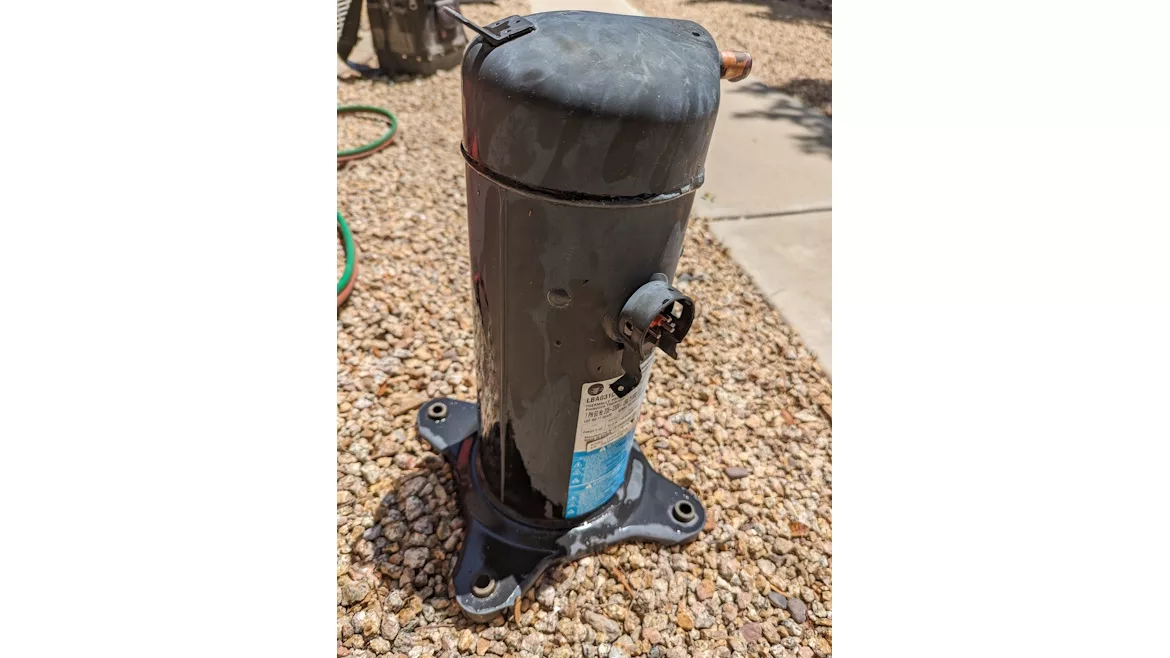
OIL INCOMPATABILITY: Oil-refrigerant incompatibility can lead to premature wear on the compressor and potential early failure.
Reliable refrigeration and air conditioning are contingent upon a few things: application conditions, refrigerant chemistry, and proper compressor lubrication. And in today’s marketplace, ensuring compatibility between all of them can be a challenge.
Why? Recent years have seen a shift from HFCs, long deployed as refrigerants in many critical applications, to new gases in the face of regulatory restrictions. This shift has significant implications, as new chemistries can interact differently with critical lubricants — and incompatible formulations can lead to premature wear on the compressor, inefficiency, and potential early failure.
Optimal lubricant formulation must satisfy compressor operating conditions and various new refrigerants — and it can be thought of as the hidden key to efficient, consistent cooling in all applications.
Sustainable Refrigerants
HFC refrigerants have been targeted specifically because they are a potent greenhouse gas with a 100-year GWP of 1,000 to 4,000, according to the Environmental Protection Agency (EPA). As such, the goal of the AIM Act is to promote the use of alternatives beginning in 2025 and beyond.
Specifically, HVACR OEMs have settled on a few key low-GWP options, including:
- R-454B, with a GWP of 466;
- R-32, with a GWP of 675;
- Various HFO blends, which have GWPs of less than 1; and
- Various natural refrigerants like hydrocarbons and CO2, which have GWPs less than 3.
Each of these new options can have a more positive environmental impact compared with traditional options, but tend to interact much differently with traditional lubricating fluids. Understanding that impact is imperative to efficient, effective refrigeration applications.
Compressors function as the core of the refrigeration cycle. First, the compressor takes low-pressure, low-temperature refrigerant vapor and compresses it into a high-temperature/pressure refrigerant vapor. This vapor then goes into the condenser, where it cools the refrigerant vapor into a liquid, and heat is rejected into the environment. The liquid refrigerant is then boiled off in the evaporator, absorbing heat from the space being cooled. The refrigerant vapor then heads back to the compressor and begins the cycle again.
Throughout this process, lubricating fluids are co-mingled with the refrigerant at various concentrations depending on lubricant miscibility, system design, and operating conditions. The lubricant aids the movement of the refrigerant and provides protection for metallic parts throughout the compressor, enabling them to function efficiently and effectively.
Looking for quick answers on air conditioning, heating and refrigeration topics? Try Ask ACHR NEWS, our new smart AI search tool. Ask ACHR NEWS
Oil Compatibility
A lubricant’s miscibility performance, or how well it can properly mix with the refrigerant within the application, is one of the most important characteristics of a lubricant, regardless of application.
The chemical makeup of the refrigerant significantly influences how well a lubricant maintains its miscibility performance. Improper mixing can affect the viscosity of the lubricant and thereby its boundary lubrication capabilities. If these capabilities are compromised, it can lead to excessive wear on critical metal parts and eventually, premature failure of the equipment, which can come at a significant cost to the end user.
Lubricant performance is also influenced by operational factors. Depending on the application, lubricants must be formulated with these needs in mind. For example, when contending with high environmental temperatures, a compressor must work harder to provide cool temperatures, creating heightened stress on the lubricant.
Conversely, lubricants operating in extremely cold environments can face flow and viscosity challenges, creating performance issues that may lead to premature wear on compressor parts. Depending on the applications, the lubricant formulation must be optimized for issues like these as well as refrigerant compatibility.
Optimizing Performance
So, how do you determine if a lubricant will perform as intended within a given application? The answer is typically a complex one requiring many inputs, including compressor type, bearing speed/load, refrigerant type, and operating conditions.
HVACR OEMs take many different approaches to system design, often tailored to the unique needs of the target application. Meanwhile, not all OEMs are deploying the same low-GWP refrigerants. And for these reasons, there is no guiding specification that sets specific performance requirements for compressor fluids. Optimal lubricants must compensate for this complex web of needs. That’s why it’s imperative for lubricants to account for the specific demands of the application.
For OEMs, collaboration with lubricant suppliers for factory-fill lubricants can help to ensure tailored formulations that meet the needs of the application. For end users, identifying lubricants should be dependent on OEM-specified fluids to ensure optimal life and safe operation. Equipment warranties generally dictate the right types of fluids for an application. Additionally, ongoing consultation with a trusted OEM lubricant supplier can help readily identify the right choices for service-fill lubricants when the equipment requires a changeout.
The right lubricant choice can mean the difference between decades of service life or early equipment failure. It’s why the HVACR industry can’t compromise on high-performance lubricants as low-GWP refrigerants continue their ascent in the marketplace.
Looking for a reprint of this article?
From high-res PDFs to custom plaques, order your copy today!
.webp?height=96&t=1779462645&width=96)