It’s Allergy Season: Turning Irritants Into HVAC Opportunity
With this year’s pollen intensity, IAQ helps customers breathe easier
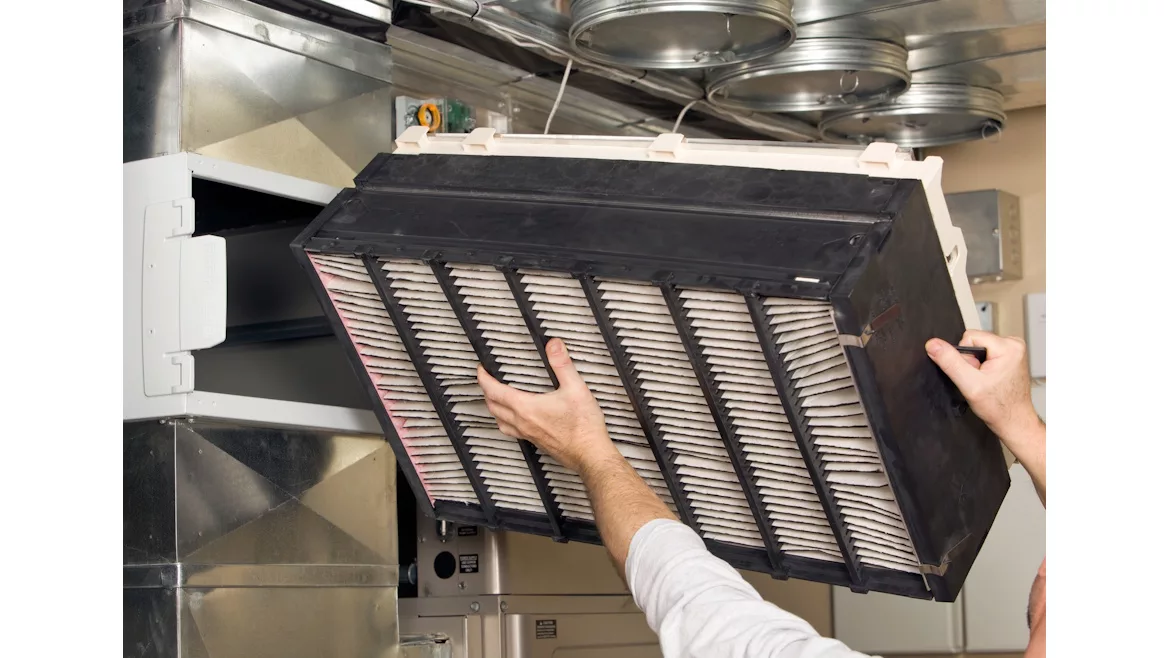
CLEANOUT: Regular maintenance, including HVAC filter replacements, is critical during allergy season.
According to the Asthma and Allergy Foundation of America’s (AAFA) 2026 Allergy Capitals Report, this year’s pollen season will likely be longer and more intense, worsening seasonal allergy symptoms for more than 82 million people.
For HVAC contractors, allergy season is becoming more than a seasonal maintenance cycle. It is also an opportunity to educate customers on indoor air quality (IAQ), expand maintenance offerings, and provide long-term solutions that help customers breathe easier.
HVAC maintenance is a core component in symptom mitigation, and it also provides contractors an opportunity to reach out to existing and potential customers with IAQ solutions in both residential and commercial environments.
When Indoor Allergens Hit Hard
According to Melanie Carver, chief mission officer of AAFA, “Indoor air quality may be more important than outdoor air quality.”
“We spend nearly 90% of our time indoors, and indoor air can be two to five times more polluted than outdoor air. If the air quality in your home is poor, it can have a negative impact on your health,” she said.
Carver said that during allergy season, increased pollen levels and airborne allergens can worsen indoor air quality and increase the load on HVAC systems.

DUCTWORK: Beyond filtering out allergens, contractors should inspect ductwork and recommend cleaning when appropriate. (Courtesy of iStock / Getty Images Plus. Credit: LSOphoto)
“This makes regular maintenance, HVAC filter replacements, and ventilation even more critical.”
Looking for quick answers on air conditioning, heating and refrigeration topics? Try Ask ACHR NEWS, our new smart AI search tool. Ask ACHR NEWS
The Asthma & Allergy Friendly Certification Program, along with certified partners such as Trane, works to educate contractors on HVAC maintenance and IAQ strategies designed to reduce allergen exposure. Providing solutions to symptoms includes offering maintenance while helping consumers use products that reduce exposure to common triggers, such as pollen, dust mite allergens, mold spores, and VOCs.
“Three primary pollen types are responsible for most pollen allergens — tree pollen, late winter to early spring, grass pollen in late spring into summer, and weed pollen, late summer until the first frost,” said Carver.
“Maintaining optimal levels of indoor air quality means addressing sources of discomfort, such as pollen, dust, mold spores, and other microscopic particles,” said Sean Goddard, coils and IAQ product manager, Trane.
Timing maintenance outreach, however, is becoming increasingly important as seasonal patterns continue to shift.
Seasonal Shifts Are Changing HVAC Service Needs
Carver said more extreme weather events are changing the nature of pollen season intensity and duration due to climate change, and seasonal expectations need to adjust as well.
“For example, a number of areas in the Western United States experienced atmospheric rivers in late 2024, which promoted early and more abundant pollen production,” said Carver. “This was followed by drought conditions in the spring, meaning pollen wasn’t washed away by rain — keeping it around longer.”
Regional allergy intensity may vary, but customer demand for effective IAQ strategies remains consistent. Contractors can use seasonal outreach as an opportunity to educate homeowners on symptom mitigation while reinforcing the value of HVAC maintenance and IAQ upgrades.
“Based on my experience in Florida, extended allergy seasons mean that IAQ upgrades are moving from ‘optional’ to ‘necessary,’ so more homeowners are asking contractors for solutions,” said Amy Herlihy, account manager, Trane. “As a result, we’re seeing increased adoption of whole-home air purification systems, dehumidification systems to help prevent mold and dust mite activity that fuels allergies.”
Herlihy said maintenance tasks are becoming more frequent and less seasonal, making it necessary to rethink standard service intervals.
“Longer pollen seasons — especially tree pollen in late winter and early spring, and grass pollen stretching deep into fall — mean systems are running longer with heavier particulate loads,” she said.
Maintaining Indoor Air Quality Mitigates Allergens
Poor indoor air quality can trigger asthma and allergy symptoms such as chest tightness, coughing, wheezing, sneezing, shortness of breath, and even asthma attacks.
“Ensuring proper ventilation, clean filtered air, and controlled humidity helps create a comfortable, protected home free of common irritants,” Goddard said.
Proper filtration includes choosing a filter with a higher MERV rating.
“Filters with higher MERV ratings are more effective at capturing particles that can trigger allergies, and whole-home air cleaners often offer the most comprehensive capabilities,” Goddard said. He also recommends switching to pleated air filters.
Contractors are recommending that homeowners shorten filter change intervals to closer to every 30 days as pollen intensifies, Herlihy said.
Not every home needs the same filter solution, she said.
“Contractors should educate homeowners on the differences between fiberglass and pleated filters and recommend options based on pets, allergies, household size, and system compatibility.”
Additional maintenance recommendations can also become part of a contractor checklist during allergy season.
Circulating Additional Services for Symptoms
Beyond filtering out allergens, contractors should inspect ductwork and recommend cleaning when appropriate.
Air ducts can act as hidden allergen traps because all air circulated through a traditional HVAC system moves through the ductwork. Dust, debris, and allergens that accumulate inside ducts can then be redistributed throughout the home or business.
Check for duct leaks and advise on duct cleanings, Herlihy said.
“Homeowners often focus on allergy symptoms without realizing their ductwork and airflow could be contributing to the issue.”
“Contractors can inspect duct integrity and recommend trusted duct cleaning or sealing services, especially before homeowners begin running their cooling system on full blast for the summer,” Goddard said.
According to the Environmental Protection Agency, maintaining indoor humidity levels between 30% and 50% is recommended. Goddard said this range helps prevent mold growth, dust mites, and humidity-related respiratory discomfort while supporting overall system performance.
Contractors can also focus on humidity control as part of an overall comfort strategy, Herlihy said.
“Many homeowners don’t realize humidity plays a major role in indoor air quality and allergy symptoms.”
Getting Smart On Whole-Home Purification Systems
Whole-home purification systems can improve air quality throughout a home or building by reducing allergens and airborne particles, which is especially beneficial for occupants with respiratory conditions.
“While increased allergens in the spring may raise awareness around air quality, these systems deliver year-round IAQ improvements for optimal long-term comfort for those sensitive to allergens aside from seasonal pollen, like pet dander, dust, and mold growth,” Goddard said.
“By improving indoor air quality, you can breathe easier, sleep better, and mitigate asthma and allergy triggers,” Carver added.
Educating homeowners on whole-home IAQ solutions is becoming an increasingly important part of a contractor’s role as a trusted advisor and can also create additional installation opportunities, especially for families managing asthma or allergies.
“Contractors can build trust by explaining how whole-home purification and ventilation solutions work together as part of a complete comfort system rather than presenting IAQ as just an add-on product,” Herlihy said.
As IAQ is becoming a necessity rather than an option for more and more homeowners, Goddard said, IAQ products and solutions are becoming a part of a home’s HVAC system.
“For example, Trane ensures that temperature, irritants, and humidity can be controlled through smart thermostats, whole-home humidifiers or dehumidifiers, and whole-home air purification systems are becoming an integral component in Trane system installations.”
Best Practices That Build Trust
Both Goddard and Herlihy added that healing customers better regulate their environments with enhanced allergen reduction strategies does not have to come with a big price tag.
“I always keep a customer’s budget in mind. Cost-conscious thinking will always earn trust with your customers,” said Herlihy. “It’s important to be transparent about pricing and level set expectations upfront when it’s needed, too.”
Working to address the individualized solutions includes staying educated on the latest innovations and products, helping build trust.
Herlihy said, “For me, it’s very important that I have various options to offer to technicians because then they can depend on me for anything, and as a result, the homeowner can rely on them for efficient and optimized products specific to their home and their needs.”
With best practices for balancing filtration, humidity control, air purification, and ventilation on the table, Goddard said, “An efficient IAQ strategy will always depend on the homeowner’s daily life — and that is unique to each homeowner.”
“HVAC professionals are well-suited to educate customers on the ability to address comfort and system performance with the use of an IAQ offering,” he said.
Looking for a reprint of this article?
From high-res PDFs to custom plaques, order your copy today!