Guest Column
When Heating Systems Fail Midwinter, Everyone Notices
4 midwinter moves HVAC technicians can take to prevent heating emergencies
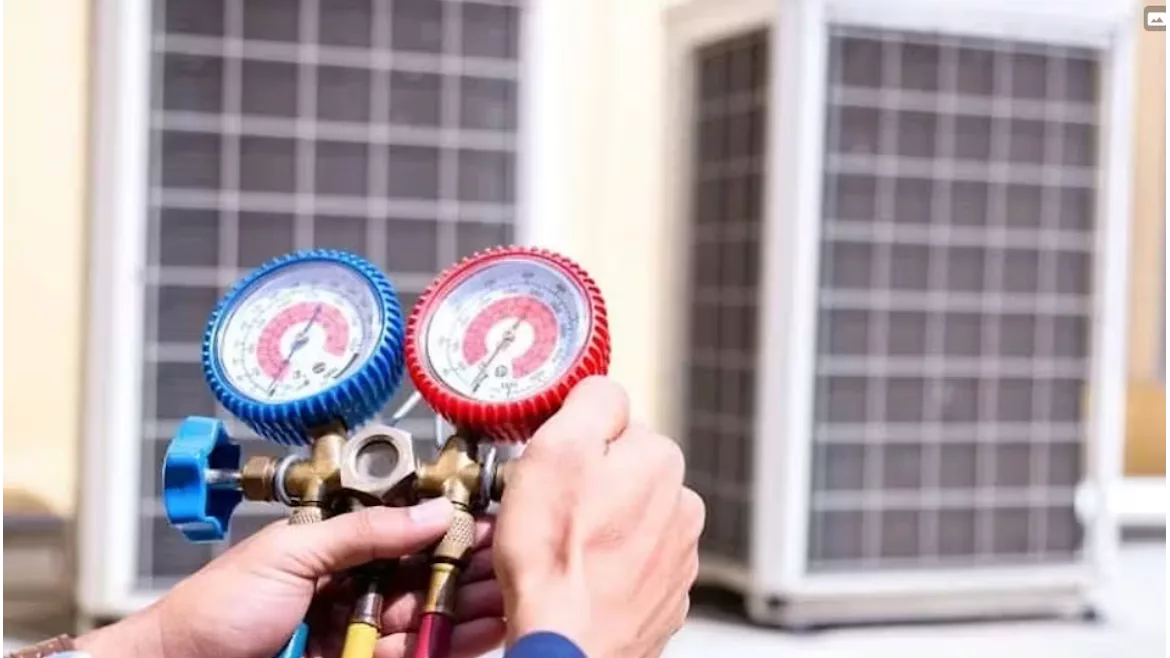
STAY FROSTY: Winter doesn’t just test the durability of HVAC systems, but it also tests the technicians who keep them running.
This winter season has been anything but predictable, with the U.S. experiencing record amounts of snowfall, plunging temperatures, and fluctuating climates — and we’re not out of the woods yet. Regardless of location or how the thermometer swings, HVAC service contractors have been kept on their toes during these cold months, weathering a perfect storm of increasing service tickets, fewer available technicians, and skyrocketing parts demand.
As the influx of mid-season requests rolls in, skilled technicians will continue to be put to the test. An HVAC system failure during the peak season can lead to significant downtime, which can mean paused operations, unhappy customers, and lost revenue for businesses and institutions.
Parts Town’s annual “Downtime Survey” discovered that the root causes of HVAC downtime include aging equipment, improper operation, malfunctioning OEM parts, and a lack of preventative maintenance. In the report, HVAC systems were labeled as critical pieces of equipment, and downtime to heating and cooling functions poses significant operational and financial challenges. One in three survey respondents from multi-unit restaurant chains and institutions reported experiencing weekly outages, with half of all breakdowns resulting in $1,000 or more per day in lost revenue.
As HVAC contractors continue to navigate an unpredictable winter heating season, it’s imperative for technicians to prepare and plan for the dynamics the season can bring, which also includes educating clients about their heating systems to help avoid future costly repairs, critical downtime, and other major disruptions.
Four Ways Techs Can Prepare and Conduct Mid-Season Maintenance Checkups Today
- Conduct Mid-Season Checkups to Prevent Future Downtime Concerns
Heating systems that have been running nonstop to fight brutal cold temperatures are the most susceptible to emergencies. These mid-winter evaluations help reduce the risk of downtime, which can be detrimental to institutions like hospitals, schools, multi-unit buildings, and housing, where even a brief outage in the middle of winter can put critical operations at a standstill.
Many businesses run on fixed schedules, making consistent heating system checkups critical to keeping operations running. For example, an HVAC outage in a hospital that relies on strict scheduling blocks can halt critical surgeries and procedures. Consistent maintenance and routine checkups protect not just the operations of clients and wellbeing of consumers, but also the busy schedules of skilled technicians.
As a technician, it's important to reach out to clients who have older systems, recurring issues, increased heating usage, and even those whose systems you checked during the fall months for an evaluation. During these checkups, be sure to have supplies on hand and check for damage to any elements that are working overtime, like motors and sensors, or weather-related issues such as vent blockages, restricted airflow, or frozen parts.
Looking for quick answers on air conditioning, heating and refrigeration topics? Try Ask ACHR NEWS, our new smart AI search tool. Ask ACHR NEWS
- Stock Up on High-Demand Parts Before the Next Cold Snap
The demand for specific system parts spikes in cold weather, especially for aging systems that have been running nonstop and are struggling to finish out the remaining weeks of winter. While no one can predict when the temperatures will let up, technicians can help ease future delays in operations by stocking up on the most in-demand, essential HVAC parts to have on hand for ready fixes.
Making a checklist of the top requested parts, such as ignitors, sensors, motors, valves, and filters, and ordering them ahead of cold spells can help reduce customer downtime. On a similar note, it’s also important for technicians to consistently check inventories and replenish popular replacement parts in ample time, especially when considering that many other service pros are likely ordering the same parts during the busy season.
Partnering with a reputable parts supplier with reliable, quick shipping and extensive OEM parts availability is another vital element to every technician’s business. As temperatures ebb and flow, having a stocked inventory and an established parts partner can make all the difference when it comes to preventing a whole system outage or tackling same-day repairs.
- Educate Consumers to Prevent Repeat Emergencies
Many winter HVAC breakdowns stem from preventable issues that happen between service visits due to clients not having enough knowledge to effectively upkeep their systems.
Technicians can reduce the volume of service calls and unnecessary repairs by coaching consumers on HVAC maintenance basics such as replacing filters, keeping vents clear, and removing snow from outdoor units. During pre- and mid-season evaluations, it’s also important for technicians to call out any red flags so that clients can replace parts now before it becomes an emergency call later. Providing a checklist of maintenance reminders can be especially helpful for clients as they navigate the season.
Additionally, techs that provide routine check-ins can help their clients save big in the long run. Winter is prime time for HVAC system breakdowns, meaning higher costs to fix or replace broken systems. It can cost up to $15,000 to replace a residential HVAC system and anywhere from $20,000 to $50,000 to install a more complex heating unit like geo-thermal or variable refrigerant flow systems. And in the middle of heating season, when techs are overwhelmed, unexpected winter premiums can also impact budgets and lost revenue in downtime.
Technicians who look out for their clients by doing their due diligence throughout the winter season are more likely to build client loyalty and future business.
- Enlist a Trusted HVAC Parts Partner
When temperatures drop, even small HVAC issues can turn into major disruptions, making a dependable OEM parts partner critical to a technician’s overall business. A reliable parts supplier understands that timing is critical and prioritizes fast delivery, real-time inventory accuracy, and access to a wide variety of parts to keep systems running and customers satisfied.
Beyond offering parts, a strong supplier also provides proven industry experience, deep product knowledge, and a responsive customer support system that technicians can turn to during high-stress situations. A parts supplier that leverages digital procurement tools that utilize real-time data on inventory, helps techs source the right parts, and offers the ability to order directly on the job are a crucial element for project quality control and optimization. These advanced digital solutions become especially valuable during the winter months when emergency repairs are at a high, and technicians need access to knowledge and support fast.
A strong partner can also play a role in upskilling the next generation of HVAC technicians. With the industry facing a massive labor shortage, many tenured technician businesses are focused on attracting younger talent by providing access to training, expert guidance, and technical resources. Not to mention, when temperatures drop, on-site maintenance can be dangerous. Having a parts partner that has the capabilities to share insights and train technicians in winter safety procedures, such as coming prepared to emergency operations with parts, portable heaters, and lights, are critical to the workforce.
During the winter months, when technicians’ schedules are overbooked and overwhelmed, working alongside an OEM partner that goes beyond supporting the confidence, readiness, and career progression of new skilled workers makes all the difference.
Preparedness Equals Technician Safety Throughout the Cold Months
Winter doesn’t just test the durability of HVAC systems, but it also tests the technicians who keep them running. Plunging temperatures, unpredictable environments, and a growing labor shortage have stretched technician teams thin, making preparedness a tech’s biggest line of defense.
During the winter, it’s crucial for technicians to educate customers and gather the right resources around them to be winter weather ready. From having a strong understanding of common winter HVAC issues like frozen coils, stalled motors, and blocked airways, to bringing necessary resources to emergency operations, being prepared will speed up repair processes and reduce significant downtime.
Looking for a reprint of this article?
From high-res PDFs to custom plaques, order your copy today!