6 Ways to More Effectively Provide In-Field Training for New HVAC Technicians
Mentors, fundamentals, and reinforcement are all key to a successful program
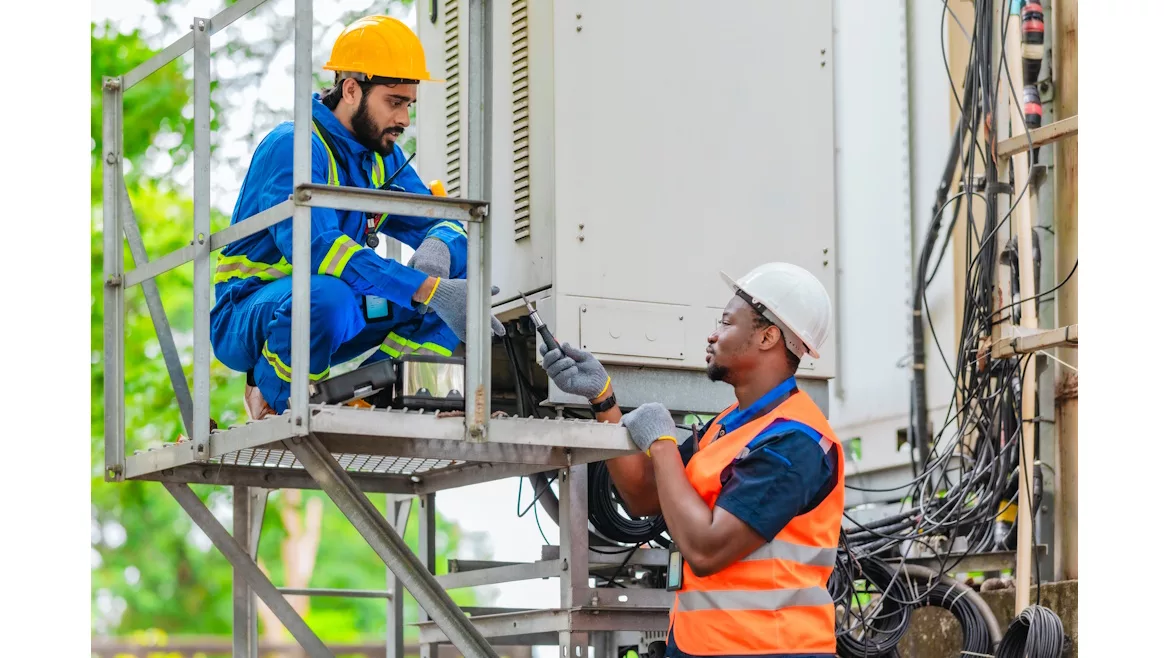
RIGHT THE FIRST TIME: From mentorship to fundamentals, contractors share how they are improving field training outcomes.
The HVAC industry is suffering from a labor shortage, and to combat it, more and more contractors are getting creative about where they’re sourcing talent. But as pressure mounts to bring these new hires up to speed quickly, it becomes a balancing act of using experienced technicians in the field to mentor and train, while also keeping day-to-day operations unimpeded.
Classroom training isn’t the same as hands-on instruction in the field, so establishing intentional training in daily operations has become a popular option.
Here are six tips on how to build a solid in-field training foundation with clear expectations, strong mentors, and systems that reinforce learning over time.
Building Training into Daily Operations
The conundrum here isn’t whether to train new techs in the field; it’s how to do it without killing billable hours. Shaun Weiss, BDR head coach and trainer, said all that is needed is a clear plan.
“Contractors should establish a training budget and decide in advance how training dollars and time will be used throughout the year. When training happens in the field, the goal isn’t to eliminate billable hours entirely, but to manage them intentionally,” Weiss said. “Each training day should have a defined objective, with the lead technician or trainer knowing exactly what skill or task is being developed. When training is targeted and planned, it improves productivity instead of disrupting it.”
As for whether or not the field training is working, Weiss said the most effective metric is skill progression tied to clearly defined technician or installer levels.
“Contractors should establish proficiency standards for each role and outline the specific tasks required to advance,” Weiss said. “Training success can then be measured by whether technicians are consistently completing and demonstrating those skills. As tasks are signed off by managers or field trainers, progress becomes visible and measurable. Advancement between levels is a strong indicator that field training is working.”
Looking for quick answers on air conditioning, heating and refrigeration topics? Try Ask ACHR NEWS, our new smart AI search tool. Ask ACHR NEWS
Leaning On Experience: Using Senior Techs as Trainers
Experienced techs are a contractor’s biggest asset when it comes to in-field training, but it also needs to be clearly communicated that mentoring and training are now part of their responsibilities.
“With more new talent entering the trades, experienced technicians play a critical role in developing the next generation,” Weiss said. “Most senior techs can recall mentors who helped shape their careers, and this is the opportunity to pay that forward. Embracing the trainer role strengthens the entire team and creates leadership growth. Preparing lead technicians starts with setting expectations and reinforcing the value of their experience.”
Incentives and accountability are effective motivators, especially if they are tied to career advancement opportunities.
“Senior technicians can be required to mentor others as part of moving into higher levels or leadership roles,” Weiss said. “Incentives may include pay increases, new tools, or temporary training pay premiums when serving as a field trainer. These rewards reinforce the importance of training while motivating participation. When training expectations are built into advancement programs, accountability becomes part of the culture.”
Once training is established, the next challenge is deciding who administers it.
Deciding Who to Designate as a Mentor
The HVAC industry is staffed by people from all walks of life, and all sorts of different personalities. With that in mind, Chris Petri, operations manager of Petri Plumbing, Heating, Cooling & Drain Cleaning, said the best mentor is not necessarily the technician who has the most knowledge and skill.
“A good mentor is someone who has an internal desire to see the growth of their apprentice both in the trade and in life,” Petri said. “They are patient, communicate clearly, and actively support the apprentice’s learning, confidence, and both professional and personal growth.”
The trainee’s ability to adapt and absorb new information should also be the metric used to decide when they are able to embark on their own.
“The length of an apprenticeship is all dependent on the apprentice and their progress,” Petri said. “An apprentice should be cut loose when they show consistent judgment, safe habits, and respect for the work, not simply after a set amount of time. Shadowing lasts as long as it takes for observation to turn into understanding and confidence. Independence should come gradually, guided by readiness rather than a calendar.”
Learning to Walk Before Running
Field training should start with the fundamentals, and Clifton Beck, director of digital media, ESCO Institute, laid out a solid roadmap.
“Every new technician should focus on acquiring their Universal EPA608 as an entry point into the industry,” Beck said. “Technically, a TypeII EPA608 certification is the only requirement for the safe handling of refrigerants in residential and light commercial HVACR equipment. If you have an interest in this trade, why not push yourself now to achieve the highest standard, that of the Universal, which includes TypeI, TypeII, as well as TypeIII.
“This effort will show dedication to future employers and expose your mind to additional job opportunities within the HVACR industry. Additional required studies would be of the basic refrigeration circuit and understanding wiring diagrams.”
Foundation training is essential to avoid future callbacks and costly misdiagnoses, so the more emphasis placed on it early, the fewer messes there will be to clean up down the road. As Beck notes, manufacturers report false warranty returns are as high as 70% for electrical components.
“They have also reported warranty claims of $862 million in 2024, accounting for 1% of total sales revenue for the year,” Beck said. “When a technician, whether new to the industry or returning to the classroom for continued education, master the foundational trainings of the refrigeration circuit and troubleshooting electrical diagrams, the entire industry benefits from reduced callbacks and reduced false warranty claims.”
Making Sure Training Sticks
Reinforcing training used to mean inexperienced technicians would likely have to be pulled out of the field more often to run back over the same lessons. Beck said technology has changed the way technicians digest content, and those days are fading away, giving new opportunities for upskilling and continuing education electronically.
“Many contractors have offered their technicians paths to employment growth with online interactive eLearning courses such as those on the HVACR Learning Network,” Beck said. “Technicians can acquire new skills and certifications at their own pace, whether during scheduled work training times or at their own leisure. This flexibility gives working technicians the ability to create their own educational resume, which many complete on their own time, saving contractors countless training hours.”
But there are always going to be knowledge gaps that eventually bubble to the surface during field evaluations. Beck suggested that using proper skills assessments gives feedback to contractors, not on what the technician does know, but what they need to improve.
“Industry-recognized evaluations, such as those from HVAC Excellence and NATE, provide recognition of skills learned but also compare core competencies to those on a national average,” Beck said. “This type of feedback is crucial for developing a learning pathway to become Excellent in HVAC.”
Advice on Retaining Through Training
Training a new technician is not only an investment of time, but of resources. However, it is an investment that does pay dividends down the road and can help a contractor improve tenure.
“Give them as much training as possible — they will give you the highest return of any investment you can make!” Petri said. “Some owners get the worry of ‘what if I train them and they leave’ and it scares them from investing in their greener apprentices; our worry is ‘what if we don't train them and they stay,’ because if our employees are not getting better, they are getting worse!”
Looking for a reprint of this article?
From high-res PDFs to custom plaques, order your copy today!