FROSTlines
AIM Act Compliance for Grocery Refrigeration
What food retailers and contractors need to know starting January 1, 2026
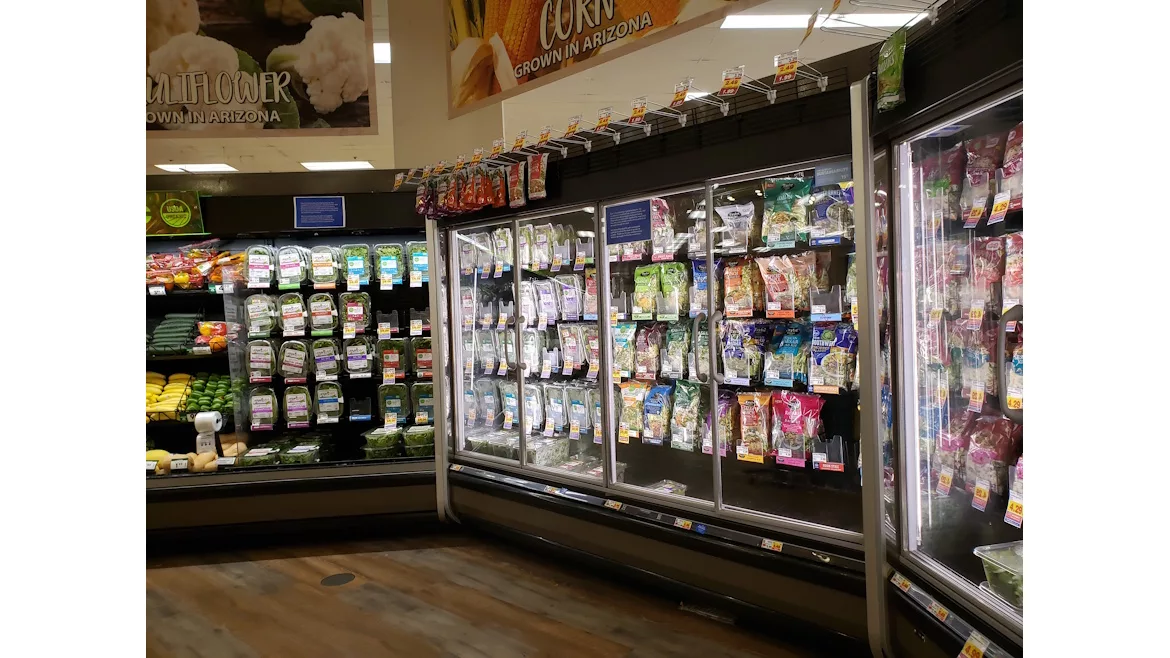
FUNDAMENTAL SHIFT: Under the AIM Act, grocers are facing a fundamental shift in how refrigeration systems are monitored, maintained, and recorded.
The commercial refrigeration sector is facing one of its biggest regulatory changes in years. On January 1, 2026, the U.S. Environmental Protection Agency (EPA) begins enforcing new requirements under Subsection (h) of the AIM Act, rules that establish detailed standards for leak detection, repair timelines, and documentation for systems using HFC refrigerants.
For grocery stores and cold storage operators, this represents a fundamental shift in how refrigeration systems are monitored, maintained, and recorded. The financial stakes are considerable: penalties can reach $57,000 per day, per violation.
Understanding what efficient compliance looks like is critical for facilities management teams preparing for this transition.
Pathways To Compliance
The AIM Act provides facilities with three approaches to meet leak detection requirements. Each carries different cost structures, maintenance obligations, and operational implications.
The indirect "whole-system automatic leak detection (ALD) method monitors system operating parameters such as pressure, temperature, and refrigerant inventory to identify leaks through performance changes. When properly implemented and annually audited, it eliminates the requirement for monthly or quarterly manual inspections. Some solutions require retrofitting receiver-level sensors, while others integrate with existing control infrastructure without additional hardware.
Direct (sensor-based) ALD systems use fixed gas sensors placed near equipment to detect refrigerant concentrations in the air. Sensors must be positioned at all potential leak points and calibrated annually. An important consideration: outdoor components or any system that is more than ~16 feet away from a sensor, such as rooftop condensers and refrigerant piping, still require manual inspections. The EPA has explicitly stated that sensor-based systems cannot adequately monitor these areas, meaning most facilities will need both the sensor system and ongoing manual checks for unmonitored portions.
The manual leak inspection approach relies on trained technicians performing routine leak checks with handheld detectors on a monthly or quarterly basis. It requires no capital investment upfront but creates ongoing labor costs that scale with the number of facilities and systems requiring inspection. This approach is also the most risky -- if a technician calls in sick and misses an inspection, this can trigger multiple violations per calendar day (with penalties up to $57,000 per violation).
Looking for quick answers on air conditioning, heating and refrigeration topics? Try Ask ACHR NEWS, our new smart AI search tool. Ask ACHR NEWS
Documentation
Detection is only part of the equation. The regulations include strict documentation and response requirements that present their own compliance challenges.
Facilities must maintain records of every alert, investigation, and repair, and must respond within specific timeframes. California's CARB regulations, for instance, require a documented response within 24 hours. Each missed response or documentation gap creates a separate violation subject to daily penalties.
This creates particular challenges for systems that generate frequent false alarms. If a leak detection system produces 20 alerts per week, proper documentation must be maintained for all 20 incidents, even when investigations reveal no actual leak.
During regulatory audits, inspectors typically request:
- Verification of ALD system installation and annual calibration;
- Complete logs of every alert generated;
- Evidence of technician response timing for each alert; and
- Confirmation that repairs were completed within required windows.
Missing or incomplete records can result in violations even when leaks were actually detected and repaired. The principle regulators follow is straightforward: if it's not documented, it didn't happen.
Understanding The Scope
Industry data indicates that approximately 25% of commercial refrigeration systems (“appliances”) currently exceed the 20% annual leak rate threshold that triggers quarterly inspection requirements. Statistical modeling suggests that over a five-year period, roughly 76% of appliances will likely trigger these enhanced requirements at least once (meaning that these enhanced requirements will apply in nearly all facilities that use one or more appliances over a five-year period).
This isn't a rule affecting only a subset of high-leak facilities -- it represents a new operational reality for most refrigeration portfolios, requiring programmatic approaches to detection, documentation, and repair.
When evaluating ALD systems or inspection service providers, several questions help clarify whether a solution will genuinely reduce compliance risk:
- What is the documented false-positive rate per site over the past 12 months?
- Does the solution provide complete system coverage, or will manual inspections still be required for certain areas?
- How does the system generate and store records for regulatory audits?
- What is the track record for detecting leaks before they reach reportable thresholds?
Addressing these questions early helps avoid implementation surprises and ensures that chosen strategies actually mitigate compliance exposure rather than adding to it.
Moving Forward
Implementation timelines are already tightening. Facilities that begin compliance planning now can spread costs across multiple budget cycles, avoid resource constraints as installation demand peaks in late 2025, and capture operational benefits like reduced refrigerant costs and fewer emergency repairs throughout the coming year.
Successful AIM Act compliance extends beyond equipment selection. It requires comprehensive programs that integrate detection technology, documentation systems, response protocols, and staff training. Facilities that approach this regulatory transition methodically and with a clear understanding of both technical requirements and operational implications will be better positioned to achieve sustainable compliance while minimizing disruption to daily operations.
Looking for a reprint of this article?
From high-res PDFs to custom plaques, order your copy today!