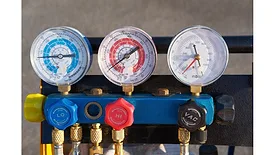
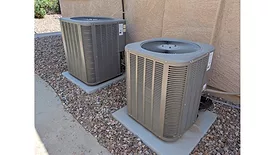
In an industry focused on smarter controls, higher efficiency ratings, and ever-evolving refrigerants, one of the most critical steps in system installation has not changed: evacuation.
Through constant monitoring and automatic leak detection, the commercial refrigeration industry has seen several significant changes in how it operates.
ACCA, HARDI and PHCC say the delayed commercial refrigeration transition could drive up HFC costs, strain supply, and create uncertainty for contractors
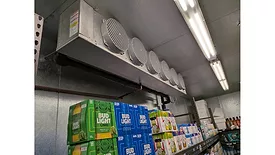
EPA officials say changes to the 2023 Technology Transition Rule help unburden businesses, but HVAC industry associations say the rule will impact refrigerant demand and food retailer transitions to lower-GWP refrigeration systems.
Federal leak rules now reach smaller systems, while state requirements add complexity — allowing contractors to turn refrigerant management into a revenue-generating service offering.
The EPA’s move to extend deadlines for cutting back powerful refrigerants is drawing sharp criticism from manufacturers, who argue the rollback will actually raise air conditioning and refrigeration costs for Americans.
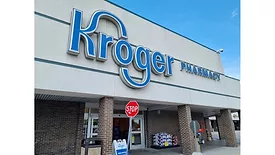
Kroger will spend $100 million to reduce refrigerant leaks and replace hundreds of systems under a proposed DOJ settlement over alleged Clean Air Act violations.
On Demand This webinar equips HVAC professionals with the essential knowledge and skills needed to excel in the present, emphasizing the adoption of R-32 refrigerant and its numerous advantages.
On Demand Join this webinar to learn about key updates to refrigerant regulations. We will cover practical installation and servicing content gathered from thousands of our interactions with contractors across the US and Canada.