FROSTlines
Preparing for the VRF Refrigerant Transition
Starting next year, new VRF systems must use lower-GWP A2L refrigerants
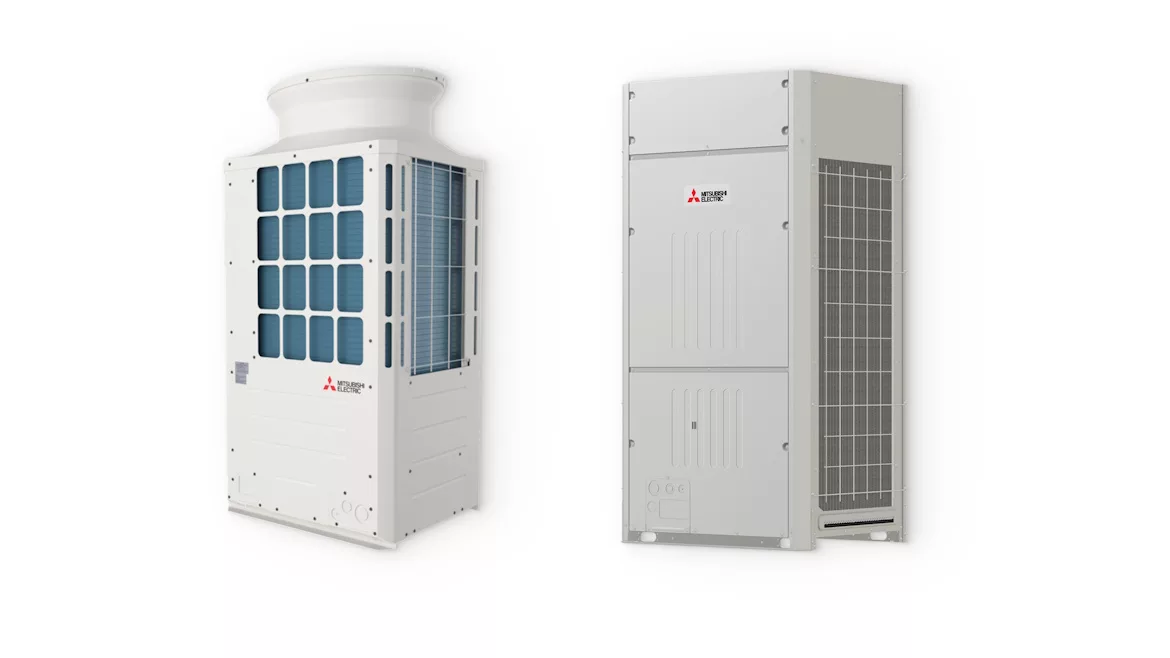
VRF AVAILABILITY: Mitsubishi Electric R-410A commercial VRF product line (left) is still available. The new R-32 commercial VRF product line (right) will be available in 2026.
The HVAC industry is on the brink of another major transition. Starting January 1, 2026, R-410A commercial VRF equipment will no longer be manufactured or imported. This marks a transition to the next-generation refrigerants, such as R-32. This change will bring long-term environmental benefits and opportunities to modernize systems.
Contractors are eager for clear, actionable guidance as they prepare for the sell-through period. Based on conversations with contractors and industry leaders, here are some of the things commercial contractors need to know about equipping themselves and their customers for the changes ahead.
The Transition
The refrigerant shift is part of a broader industry-wide strategy to reduce the GWP of HVAC systems. R-410A, today’s industry standard VRF refrigerant, has a GWP of 2088. R-32, by contrast, offers lower environmental impact (675 GWP), while maintaining or even improving system efficiency.
In practice, this means commercial contractors will be tasked not only with learning new installation procedures, but also with educating building owners and facility managers on what these changes mean for their projects and long-term operations. They can look to the recent residential transition to low-GWP refrigerants for some of the considerations that also arise in the commercial sector. These include navigating the limited availability of R-454B, clarifying differing interpretations of ASHRAE 15/34 and UL 60335 standards, and engaging with manufacturer guidance.
This moment presents a valuable opportunity for distributors and contractors to collaborate, share news and insights, and build readiness together. With educational resources and timely updates from manufacturers, contractors can deepen their expertise, confidently guide customers through the next phase of the refrigerant transition, and pass on the knowledge they gained to building owners.
Supply Chain Challenges
Effective inventory planning is essential for staying ahead of the curve. Large commercial projects require specific equipment submittals and approvals, which makes distributors stocking equipment less practical, as equipment typically goes straight to the job site rather than into distribution warehouses.
Contractors are encouraged to pre-order R-410A equipment for their projects as the projects enter the submittal phase, rather than the more traditional method of ordering equipment after approved submittals. This ensures that the R-410A equipment for the project will be available to ship when the submittals are approved. Mitsubishi Electric Trane HVAC US (METUS) has planned effectively for the refrigerant transition and will have R-410A in abundance as R-32 equipment volumes increase, allowing for an overlap in refrigerant choices in the first half of 2026.
Looking for quick answers on air conditioning, heating and refrigeration topics? Try Ask ACHR NEWS, our new smart AI search tool. Ask ACHR NEWS
Contractors should be aware that they can still install R-410A systems after December 31, 2025, during a sell-through period that extends into December 2026; however, some may be concerned about equipment availability. To navigate this, contractors should work closely with distributors and manufacturers to plan their equipment deliveries.
Proactive and frequent communication about project timelines and equipment needs will be critical. Projects may need to shift between R-410A and R-32 systems, depending on which components are available at the time the equipment is ordered.
Training
Installing lower-GWP A2L refrigerant VRF systems involves new safety considerations and procedures, including the use of sensors and, in some cases, ventilation systems. As a result, training materials and educational programs from manufacturers are key to contractor success. METUS — and other manufacturers — are eager to provide that support.
While it is essential for contractors to stay up to speed on the new regulations, it is just as important for engineers, architects, and distributors to participate in training as well. For example, a logical shift in VRF applications will be towards larger numbers of smaller VRF systems, rather than smaller numbers of larger VRF systems. This comes with a multitude of benefits, including reduced refrigerant volumes in any given system, smaller isolated zones, and typically easier installation efforts.
With communication being the through-line for best practices, it is essential for contractors to pass on vital information to their customers. Contractors must ensure that building owners are aware of two key points:
- R-410A systems remain viable in the near term. They will continue to be supported with warranties and replacement parts for at least a decade into the future.
- New R-32 A2L systems introduce safety and reliability benefits. For example, new leak detection sensors not only reduce environmental impact, but can help keep systems running longer by isolating leaks before refrigerant loss becomes significant. With the system having capabilities of defining the location of refrigerant releases and then isolating them, the downtime is minimized, and repair time can be faster.
Owners who begin planning now, whether sticking with R-410A in the short term or transitioning to R-32, will have more options and fewer disruptions as deadlines approach.
Moving Forward
The most important message for contractors is that the refrigerant transition is an immediate cutoff. While the December 31, 2025, deadline is firm for final manufacturing and importing R-410A VRF, the sell-through period provides a buffer. In most regions of the country, contractors will have at least until the end of 2026 to complete projects with R-410A equipment, while also preparing for the long-term adoption of the new A2Ls.
The HVAC industry should view this moment as an opportunity rather than a disruption. By investing in training, maintaining open communication with distributors, and educating building owners with the information currently available, contractors can position themselves as trusted guides during the commercial VRF refrigerant transition.
Looking for a reprint of this article?
From high-res PDFs to custom plaques, order your copy today!