Guest Column
The Hidden Supervillain Lurking in Your Heating Appliance
Why neutralizing acidic condensate should be standard on every high-efficiency install
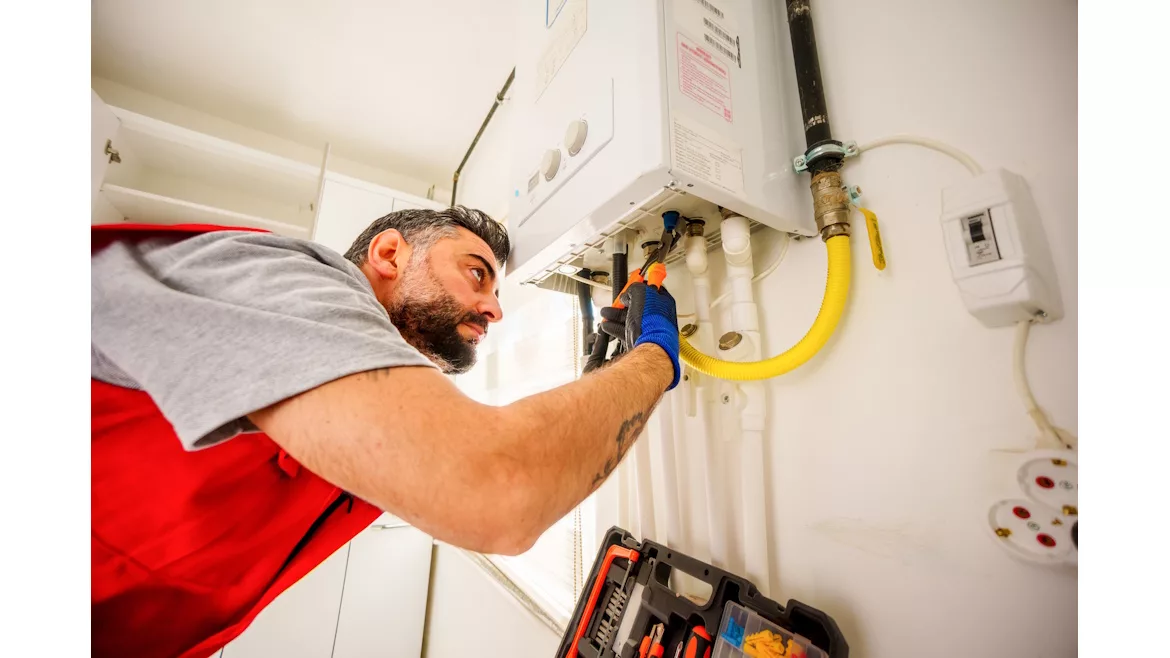
BEWARE: Acid condensate might not sound like a supervillain, but in the world of high-efficiency condensing boilers, furnaces, and water heaters, it’s a very real threat.
Every day, high-efficiency boilers and water heaters quietly do their jobs, keeping our homes and buildings warm and providing hot water. But beneath their energy-saving benefits lies an often-overlooked danger — acidic condensate. Left unchecked, this invisible byproduct can corrode pipes, damage plumbing systems, and even harm the environment. The solution? A simple yet powerful process called condensate neutralization. Let’s dive into why this small step can make a huge difference in protecting your infrastructure and ensuring long-term system efficiency.
Acid condensate might not sound like a supervillain, but in the world of high-efficiency condensing boilers, furnaces, and water heaters, it’s a very real threat. It’s not a Joke(r). With a pH between 3 and 5, this sneaky byproduct is highly corrosive, slowly eating away at heat exchangers, flue pipes, and drains — turning expensive HVAC equipment into a costly repair nightmare. And if you think your drainage system is safe, think again. Unchecked acid condensate can erode traditional plumbing materials like cast iron, copper, and concrete, leading to leaks and major headaches.
And the damage doesn’t stop there — if this acidic super menace makes its way into municipal sewage or natural waterways, it can throw off the pH balance and wreak havoc on public wastewater systems and even impact the environment and even aquatic life. Aquaman, get to work. To top it all off, ignoring the problem could land you in hot water (pun intended) with building codes, as many regulations require neutralization before disposal.
Building codes generally require that acidic condensate from high-efficiency condensing appliances be neutralized before being discharged into drainage systems to prevent corrosion and environmental harm. The International Plumbing Code (IPC) and Uniform Plumbing Code (UPC) both emphasize the importance of treating corrosive waste before disposal. IPC Sections 803.1 and 1003.3 mandate that condensate be managed in a way that prevents damage to plumbing and sewer systems, while UPC Section 814.0 explicitly states that corrosive waste must be treated before discharge.
The International Mechanical Code (IMC) reinforces these regulations by requiring that condensate drainage be constructed using corrosion-resistant materials (IMC 307.2.1) and ensuring that it does not cause harm to buildings, drainage systems, or the environment (IMC 307.2.2). Meanwhile, the National Fuel Gas Code (NFPA 54) requires that all condensate disposal comply with manufacturer instructions, which often include neutralization to protect both equipment and drainage infrastructure.
Local codes (including Commissioner Gordon) may impose additional requirements, particularly in areas with older plumbing systems made of cast iron or copper, which are highly susceptible to acid damage. Many municipalities explicitly require the use of neutralizers, while most boiler and furnace manufacturers also recommend or mandate their use to maintain warranties. To comply with code requirements, best practices include installing a condensate neutralizer filled with limestone, marble chips, or another pH-raising medium; using corrosion-resistant drain piping (such as polypropylene); and adhering to any local amendments or enforcement policies. Ensuring proper neutralization not only prevents costly damage but also keeps systems in compliance with industry regulations.
The main superpower to neutralize acid condensate is not adamantium claws, a mystic hammer, or an iron suit; it is choosing one of several brands of condensate neutralizer solutions with limestone pellets or chips. This will neutralize the condensate by increasing its pH, which renders it harmless. Providers of such solutions are Centrotherm AcidRID and Axiom, among several others.
Looking for quick answers on air conditioning, heating and refrigeration topics? Try Ask ACHR NEWS, our new smart AI search tool. Ask ACHR NEWS
So next time you are playing the superhero — buying/installing a high-efficiency appliance — ask your wholesaler to also provide a condensate neutralizer. Make sure to choose a system that matches the BTU output and flow rate of your appliance to ensure proper neutralization. By planning ahead and using the right materials, you’ll not only extend the lifespan of the equipment but also stay compliant with building codes. You and your customer will be saved from costly repairs and potential violations down the line.
Remember, with great power comes great responsibility. Do the right thing.
Note: This piece originally ran in the Summer 2025 issue of HVAC Tactical Magazine.
Looking for a reprint of this article?
From high-res PDFs to custom plaques, order your copy today!