DOE’s Proposed Efficiency Rollbacks Raise Industry Concerns Over Imports, Consumer Impact
Regulations could lead to cheap imports
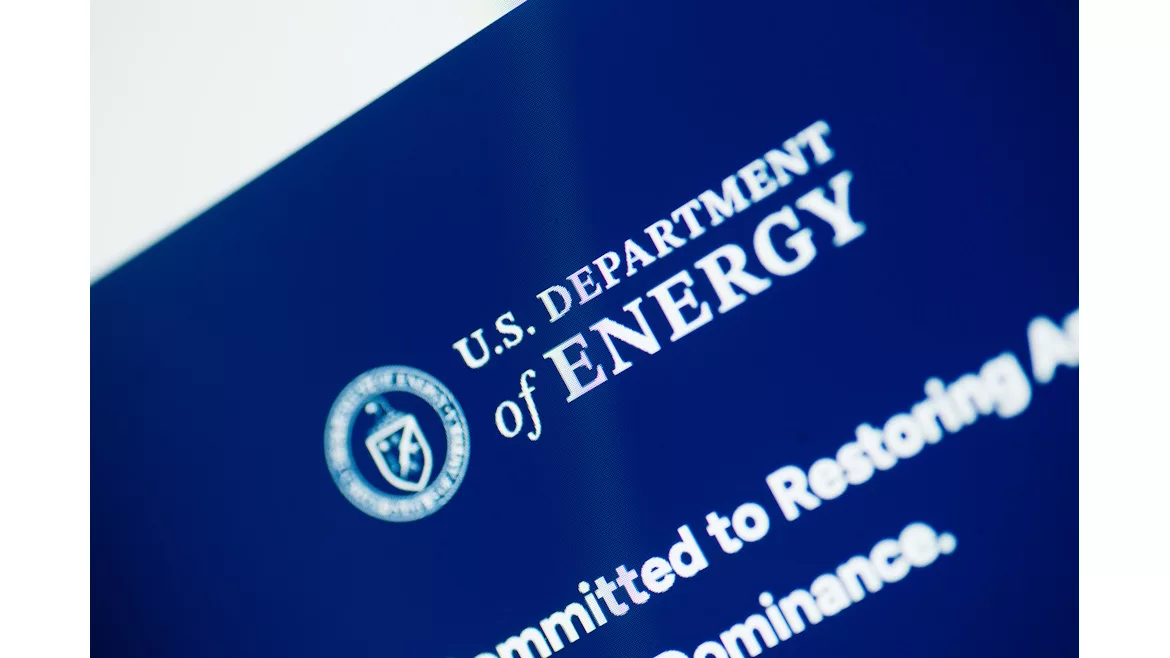
DEREGULATION: Critics of what the Trump Administration is calling “the largest deregulation effort in history” fear that it could lead to lower-quality imports
In May, the U.S. Department of Energy (DOE) unveiled the first phase of what it called the largest deregulatory effort in history — a proposal to eliminate or reduce 47 regulations, including several that apply to the HVACR industry.
The agency says the changes will ease regulatory burdens, lower consumer costs, and improve Americans’ quality of life — and once finalized, these actions will save an estimated $11 billion, while cutting more than 125,000 words from the Code of Federal Regulations. But industry stakeholders are raising red flags, warning that weakening efficiency standards could open the door to an influx of low-cost, lower-quality imports — potentially destabilizing the market and impacting both contractors and consumers.
In an interview with Politico, Stephen Yurek, president of the Air-Conditioning, Heating and Refrigeration Institute (AHRI), warned that the rollbacks would put U.S. manufacturers at a competitive disadvantage.
“They would have to reengineer all those products,” Yurek said in the interview. “They’d have to resource the components that go into them. U.S.-made products would be more expensive and therefore less affordable.”
What’s At Stake For HVACR?
Among the 47 rules targeted by the Department of Energy’s deregulatory push are several that directly affect HVACR. These include:
- Rescinding Energy Conservation Standards for Automatic Commercial Ice Makers
- Rescinding in Part the Amended Energy Conservation Standards for Dehumidifiers
- Withdrawing Compressors as Covered Equipment
- Withdrawing Miscellaneous Refrigeration Products as a Covered Consumer Product
- Withdrawing Portable Air Conditioners as a Covered Consumer Product
- Withdrawal of Fans and Blowers as Covered Equipment
- Rescinding Test Procedures for Commercial Warm Air Furnaces
- Request for Information on Lowering the Efficiency Standards for Furnace Fans
These actions are in accordance with President Trump’s Executive Order, “Zero-Based Regulation to Unleash American Energy,” and support the administration’s larger effort of streamlining federal oversight.
While the DOE has not yet finalized the proposed changes, industry stakeholders say even the possibility of weakened or eliminated standards could have serious implications for the HVACR market — particularly when it comes to product quality, market competition, and the threat of low-cost, imported alternatives.
Looking for quick answers on air conditioning, heating and refrigeration topics? Try Ask ACHR NEWS, our new smart AI search tool. Ask ACHR NEWS
“Historically, industry-wide standards have provided guardrails to ensure equipment will deliver the performance levels claimed,” said Chris Forth, vice president of regulatory, codes & environmental affairs at Bosch Home Comfort USA.
Manufacturers currently have the flexibility to offer equipment across a broad spectrum of efficiency levels and price points, Forth said. Independent third-party testing and auditing help ensure that performance claims are accurate, giving both contractors and consumers confidence that the products will perform as promised.
“Without these standards, we have no safeguards in place to ensure performance or safety,” Forth said. “Rolling back standards may initially create the illusion of lower equipment costs in some instances, but it also creates a greater risk for reduced efficiency or premature service requirements, which can lead to significantly higher costs in the long run.”
How Contractors Could Be Affected
If efficiency standards are rolled back or enforcement is weakened, HVACR contractors may face new challenges in communicating the value of high-performance systems — particularly when lower-cost options flood the market. Even if those cheaper systems are less efficient or more prone to failure, the price gap could be hard for customers to ignore.
“Consumers and contractors should look for AHRI-certified equipment, which guarantees that the performance and efficiency they’re promised is actually what they’re getting,” said Forth. “AHRI certification is a trusted safeguard against misleading or substandard performance claims.”
In a deregulated environment, such certifications, along with established relationships with trusted manufacturers, could become even more critical.
“It’s also important to work with an established manufacturer. … Establishing trusted relationships with manufacturers offers more than just access to equipment; it provides a deep network of support, training, and parts availability,” Forth said.
Sean Robertson, vice president of government relations at the Air Conditioning Contractors of America (ACCA), said that while they appreciate the DOE’s urgency in addressing affordability in HVACR, simply eliminating standards altogether is unlikely to serve consumer interests in the long run.
“Instead, we urge DOE to shift the emphasis of future standards from laboratory equipment ratings to the realized efficiency of systems as they’re installed in the real world,” Robertson said. “Recent studies suggest that as many as 90% of residential HVACR systems have significant installation faults, costing 30-50% of their rated efficiency. Fortunately, smart connected tools and third-party verification like ACCA’s Quality Installation (QI) certificates now allow policymakers to incentivize realized efficiency like never before.”
Consumer And Environmental Risks
Beyond the challenges contractors may face, weakening efficiency standards could have broader consequences for consumers and the environment. After all, those in the industry know that heating and cooling systems are more than just a convenience: They’re a necessity.
“Heating and cooling systems are more than a luxury; they're essential to human comfort and critical to health and safety — especially in extreme temperatures,” Forth said. “Investing in reliable, high-quality systems with proven performance ensures both contractors and homeowners long-term reliability and performance when it matters most.”
Lower efficiency can also mean higher energy bills and increased greenhouse gas emissions, undermining national efforts to reduce carbon footprints and combat climate change. Industry groups like AHRI emphasize the importance of consistent, predictable federal standards to maintain a level playing field for manufacturers and protect consumers.
“As long as the Energy Policy and Conservation Act (EPCA) is in effect in its current form, we hope and expect that the DOE will fulfill its obligations and issue rulemakings on schedule,” said Francis Dietz, vice president of public affairs at AHRI. “This is about predictability and having every manufacturer on the same playing field if they wish to sell products and equipment in the United States.”
According to Dietz, AHRI is on record encouraging Congress to reform EPCA to bring the 50-year-old law into modern times, and the association is hopeful that Congress will address it during this session.
“Having EPCA, with its strong federal preemption provisions, in force keeps manufacturers from having to deal with a patchwork of differing regulations across the country and also results in all manufacturers, whether foreign or domestic, having to abide by the same rules,” Dietz said.
Looking Ahead
Now that the proposal has moved through the public comment and regulatory review window, HVACR stakeholders are watching closely. Many hope for solutions that balance affordability with strong performance guarantees, such as expanded third-party certification and a focus on real-world system efficiency. But, for now, the industry faces a period of uncertainty that underscores the importance of informed decision-making by contractors and consumers alike.
Ultimately, the path forward will require carefully weighing the benefits of deregulation against the risks to quality, competition, and environmental goals — a challenge that will likely shape the HVACR market for years to come.
Looking for a reprint of this article?
From high-res PDFs to custom plaques, order your copy today!