Tariffs, Trade Wars, and the HVAC Industry
Why Extending Equipment Lifecycles is More Critical Than Ever
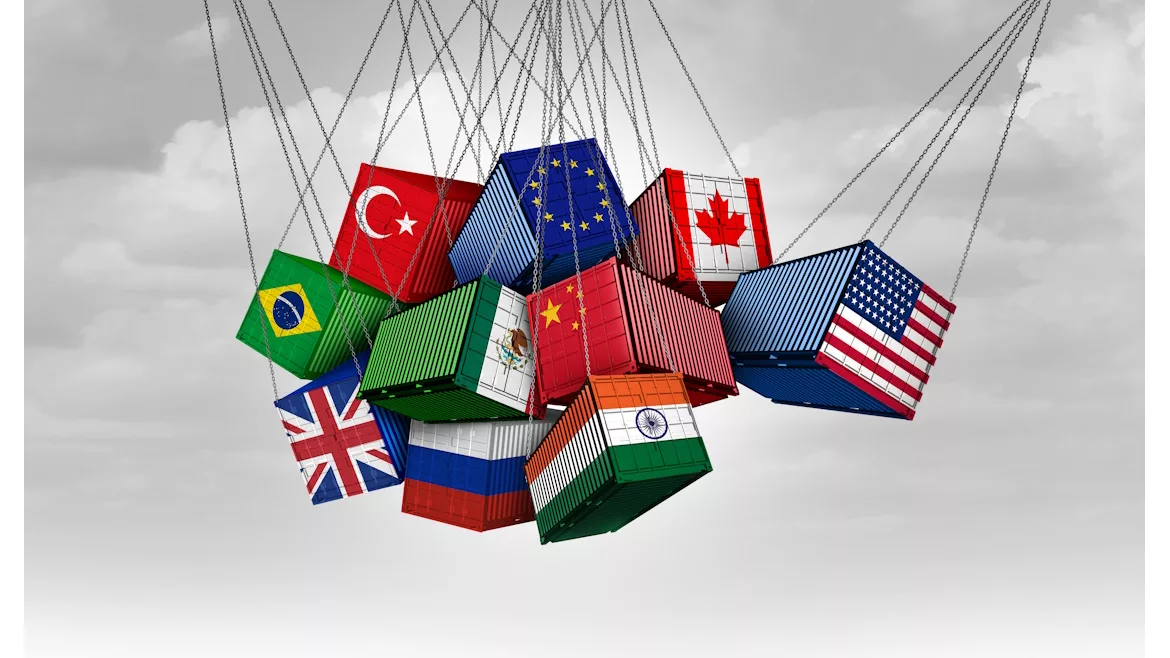
The April 2025 tariff policy shift sent ripples across the commercial HVAC industry. While the U.S. implemented a 90-day global pause on new tariffs for most countries, it simultaneously imposed a fluctuating hike on Chinese imports, the primary source of many HVAC components and materials.
For an industry heavily reliant on global supply chains, these changes have introduced both immediate cost pressures and long-term uncertainty. Whether manufacturing operations begin reshoring or remain abroad, rising inflation, material costs, and labor shortages mean prices are heading in only one direction: up. Given these shifting economic and geopolitical conditions, extending the lifecycle of existing HVAC systems isn’t just a maintenance decision; it’s a strategic imperative for cost control and operational resilience.
Tariff Breakdown: What Changed and Why It Matters
As of April 16, 2025, the United States has enacted a sweeping overhaul of its trade policy, reshaping the landscape for manufacturers and contractors across the commercial HVAC industry. The most significant change is a sharp increase in tariffs on Chinese imports, with rates climbing as high as 125%—one of the most aggressive tariff hikes in recent memory. At the same time, a temporary 10% baseline tariff has been imposed on imports from other key trading partners, including the European Union, Japan, and South Korea. This includes a targeted 25% tariff on steel and aluminum products, which are critical to HVAC manufacturing. Although the 10% baseline is currently under a 90-day review period, its future remains uncertain, adding another layer of complexity to an already volatile cost environment.
Why China Matters
The commercial HVAC sector is particularly exposed to the impact of these tariff changes due to its deep reliance on globally sourced components, many of which originate in China. In 2024 alone, U.S. imports of HVAC-related goods from China totaled more than $2.9 billion. From compressors and control boards to raw materials and specialized electronics, Chinese manufacturers supply a substantial share of the parts that keep HVAC systems running. Tariffs of this scale introduce immediate and compounding cost pressures, affecting not just the price of new equipment but also replacement parts and ongoing maintenance.
The Ripple Effect
The consequences of this new tariff structure extend beyond pricing. Industry leaders are already experiencing delayed shipments, prolonged supplier negotiations, and increased uncertainty in project planning. As manufacturers adjust to new sourcing realities, the resulting bottlenecks and cost increases are expected to ripple through every stage of the HVAC lifecycle—from procurement to installation to ongoing service.
Short-Term Impacts on the HVAC Industry
The immediate fallout from the tariff changes is already being felt across the commercial HVAC sector. Original equipment manufacturers (OEMs) and suppliers are facing mounting cost pressures, prompting swift price increases on critical components. These sudden shifts have created volatility in bidding and contract negotiations, with many firms scrambling to adjust quotes in real time.
Project planning has become increasingly complex. General contractors, builders, and mechanical contractors are being forced to revisit estimates, reevaluate timelines, and, in some cases, postpone investments in new systems altogether due to budgeting uncertainty. Many stakeholders are choosing to hold off on upgrades or expansions altogether, waiting to see how trade policy and material costs stabilize before committing to major expenditures.
Looking for quick answers on air conditioning, heating and refrigeration topics? Try Ask ACHR NEWS, our new smart AI search tool. Ask ACHR NEWS
Long-Term Outlook: Structural Shifts and Global Realignment
In the long term, the tariff overhaul is expected to prompt more profound structural changes in the HVAC industry, particularly in sourcing and manufacturing strategies. While there is growing political momentum behind domestic reshoring, the reality is that bringing HVAC manufacturing back to the U.S. is a slow, capital-intensive process. It requires significant investment in new infrastructure, a skilled labor force, and regulatory compliance—factors that often raise costs rather than reduce them.
The popular notion of “Make it in America” does not necessarily translate to more affordable HVAC systems. Domestic labor, energy, and raw material costs remain significantly higher than many overseas markets. In addition, many components produced in the U.S. still depend on globally sourced inputs, such as copper, semiconductors, and specialized electronics, which remain subject to international pricing and supply chain volatility.
Rather than delivering immediate savings, manufacturing realignment is likely to reinforce the need for smarter lifecycle strategies, as companies seek to protect margins and maintain service reliability amid ongoing global disruptions.
Why Prices Are Going Up—Regardless
Regardless of whether HVAC parts are sourced from overseas suppliers or domestic manufacturers, costs are increasing across the board. Tariffs are just one piece of a much larger puzzle. Inflation, labor shortages, and rising raw material costs are all converging to drive prices higher. Even facilities that rely on U.S.-made equipment won’t be insulated from these pressures, as domestic production still depends on globally priced inputs and a constrained labor market.
HVAC manufacturers have already signaled anticipated price increases heading into Q3 and Q4, prompting concern across the construction and facilities management sectors. In this environment, asset preservation is no longer optional; it’s essential. Organizations that prioritize preventative maintenance, lifecycle planning, and system optimization will be far better positioned to manage costs and maintain operational stability in the years ahead.
Strategic Response: Extend the Lifespan of What You Already Have
With tariffs driving up costs and global supply chains in flux, the commercial HVAC industry can no longer afford to rely on frequent equipment replacement. In this new landscape, extending the useful life of existing HVAC systems has become a core strategy for maintaining operational resilience and budget predictability. It’s not just about squeezing extra years out of aging assets—it’s about proactively reducing exposure to volatile markets and preserving infrastructure investments.
A Market Shift: From Replacement to Optimization
The days of “run to fail” strategies are over. Since 2020, HVAC equipment costs have risen dramatically, with some units nearly doubling in price due to inflation, regulatory changes, labor shortages, and refrigerant transitions like the move from R-410a to R-454b. Now, with new tariffs compounding these challenges, the repair-over-replace trend is accelerating across the industry.
What once may have been seen as a temporary cost-saving measure is now a practical, strategic response to long-term economic and logistical headwinds. Maintaining and optimizing current systems helps organizations control capital expenditures, reduce downtime, and stabilize energy use—at a time when both operational demands and expectations for efficiency continue to climb.
Tactics That Drive Lifespan Extension
Forward-thinking organizations are turning to proactive asset management strategies to mitigate rising costs and uncertainty. Some of these key approaches include:
- Predictive and preventive maintenance: Identifying issues early prevents breakdowns and minimizes emergency repair costs.
- Component-level retrofits: Upgrading parts like motors, sensors, or drives can significantly improve performance without replacing the full system.
- Advanced system coatings and treatments: These technologies slow corrosion, reduce wear, and enhance system durability.
- Reducing reliance on new parts: Optimizing what you have reduces dependence on tariffed imports and supply chain bottlenecks.
Each of these strategies not only preserves system life but also improves operational efficiency—essential for facilities managing tight budgets and increasingly stringent energy performance goals.
Unlocking Efficiency with Advanced Lubricants
Traditional maintenance for commercial HVAC systems typically emphasizes mechanical components, focusing on reducing breakdowns and improving energy efficiency. However, one of the most effective yet underutilized tools for system optimization is the use of advanced lubricants to restore and enhance system performance. Over time, refrigerant oil in HVAC systems degrades and coats internal components like heat exchanger coils. This buildup creates a thin, insulating layer known as “oil-fouling” that impairs heat transfer, reduces overall system efficiency, and forces equipment to work harder to maintain performance. The result is higher energy consumption, increased wear on mechanical parts, and accelerated system aging.
Advanced lubricants are specifically engineered to address this problem. These chemical compounds help dislodge existing oil fouling, restore thermal conductivity, and reduce internal friction, allowing the system to operate more efficiently and with less strain. While doubts caused by earlier initiations of lubricants continue to echo through the industry. More and more industry professionals are increasingly turning to these solutions not only to improve performance but to proactively extend the life of their equipment. Independent studies have shown that the use of modern lubricant technologies can deliver quick payback periods, recurring energy savings of up to 20%, and long-term improvements in system reliability.
Incorporating advanced lubricants into routine maintenance is a straightforward yet high-impact strategy for facility managers. It offers a way to boost efficiency and extend equipment lifespan without depending on new parts or systems that may be subject to tariff-related delays or price increases. In a market defined by rising costs and supply chain uncertainty, this approach provides a smart, cost-effective path to long-term performance and resilience.
From Maintenance to Resilience: Planning for Long-Term Success
Extending HVAC system life isn’t just a response to tariffs—it’s a building block for long-term operational resilience. The April 2025 tariff shift has made one thing clear: relying on business-as-usual procurement strategies is no longer sustainable. The commercial HVAC sector must adapt by maximizing existing systems, investing in technologies that extend performance, and reducing vulnerability to external market forces.
With the right approach, combining preventive maintenance, retrofit solutions, and modern efficiency enhancements like advanced lubricants, facilities can protect their investments, avoid costly surprises, and weather the volatility of today’s global economy.
Looking for a reprint of this article?
From high-res PDFs to custom plaques, order your copy today!