BREAKING NEWS
Updated: Most Higher Tariffs Paused for 90 Days
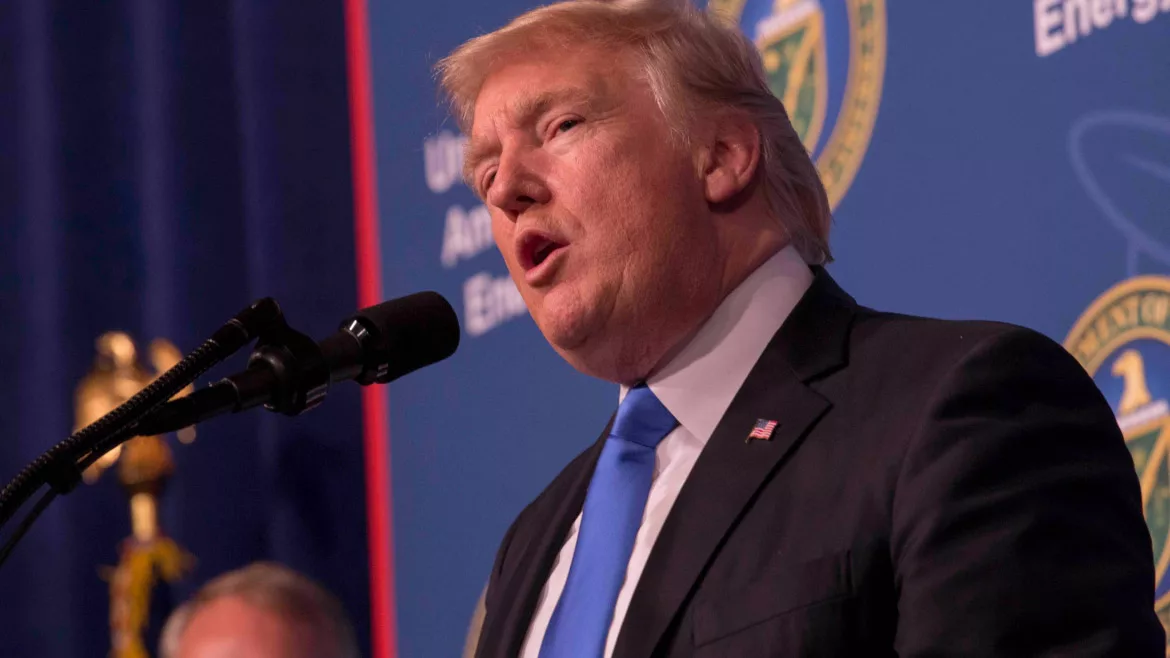
EXCEEDING AUTHORITY: The U.S. Supreme Court ruled in a 6-3 decision that President Donald Trump exceeded his authority in unilaterally imposing tariffs with the International Emergency Economic Powers Act.
After a week of stock market chaos and business fears that prices for imports were about to skyrocket, President Donald Trump on April 9 halted most of what he called the reciprocal tariffs — just hours after they took effect — that he announced last week.
Markets surged on Trump’s announcement of a 90-day pause on those tariffs, but uncertainty remained as the president exempted China from the pause and instead hit it with a tariff of 125% “effective immediately,” as he wrote on Truth Social. China had earlier responded to U.S. tariffs with an 84% levy on goods imported from the U.S.
Within days, however, the Trump administration raised tariffs on Chinese imports to 145%, while China raised its tariffs on U.S. products to 125%. At the same time, the administration was sending mixed messages about tariffs on Chinese electronic products.
China is a major importer of HVAC equipment as well as components for HVAC systems assembled in the U.S.
Trump has set baseline tariffs for most countries at 10%; Canada and Mexico, however, are exempt from tariffs on products covered under the U.S.-Mexico-Canada Agreement, according to a report in the New York Times. But a 25% tariff on aluminum and steel from those two countries, announced in March, remained.
HVACR industry trade associations continue to watch the shifting tariff situation.
In an email sent before most of the higher tariffs were paused, Mark Valentini, vice president of legislative affairs for the Plumbing-Heating-Cooling Contractors–National Association (PHCC) said contractor members have been reporting wholesale price increases of 5% or more.
Looking for quick answers on air conditioning, heating and refrigeration topics? Try Ask ACHR NEWS, our new smart AI search tool. Ask ACHR NEWS
“However, there has yet to be any significant adverse impacts on business activity, though that risk is certainly prevalent should there continue to be prolonged negotiations amongst global trading partners,” Valentini wrote.
PHCC is “committed to the contractor community, especially during this moment of economic uncertainty” Valentini said.
“We are working closely with our industry partners in manufacturing and wholesale distribution, and we urge our members to provide us with regular feedback on any adverse impacts they are experiencing in the course of their business operations,” he added.
ACCA was also keeping tabs on the tariffs situation.
“This week’s tariff changes show just how fast the economic landscape is evolving. We’re working to track changes as they are happening so that we can keep our members informed on how changes may impact them while also equipping them with the information they need to be successful in any economic situation. In the midst of industry up and downs, we encourage contractors to stay focused on what they do best: Delivering top-tier professionalism and high-quality installations,” the statement read, in part.
Looking for a reprint of this article?
From high-res PDFs to custom plaques, order your copy today!