6 Essential Steps to Handling a Carbon Monoxide Alarm Call
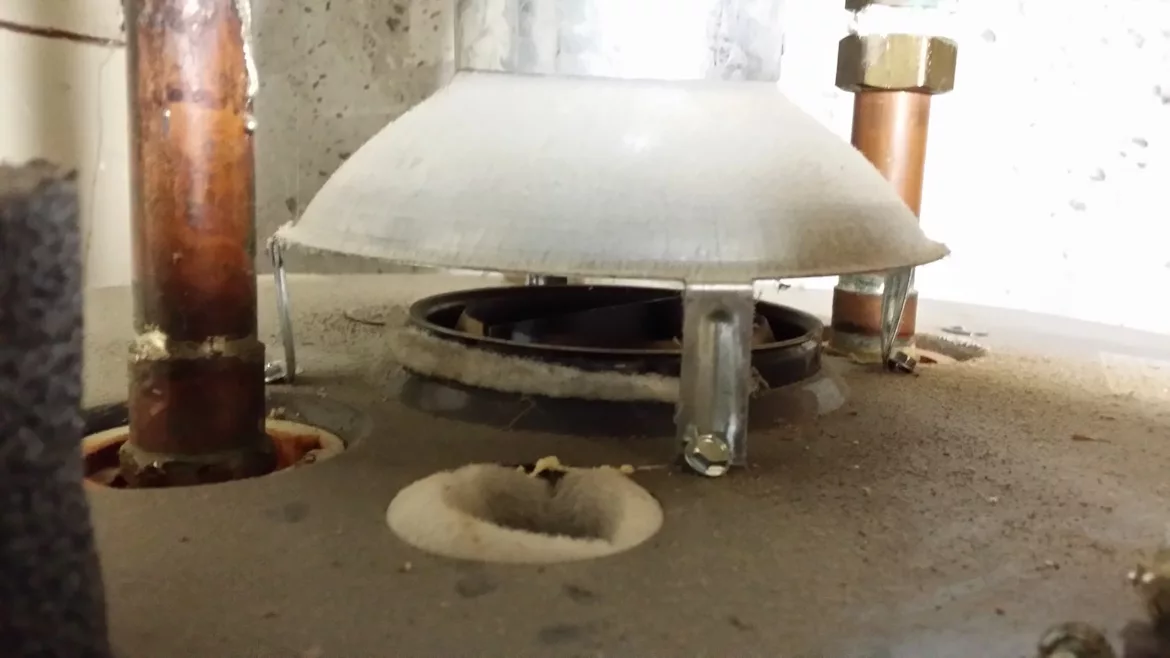
DETAILS MATTER: When troubleshooting a CO alarm call, you may need to look at other fuel-burning appliances such as gas water heaters. (Courtesy of David Richardson)
Sadly, 2024 ended with two carbon monoxide (CO) tragedies. On Christmas day, a family of four was found dead in their New Hampshire lake house from a suspected malfunctioning heating system. There were no working CO alarms in the residence. Just two days later, on December 27, model and actress Dayle Haddon was found dead from CO poisoning in a Pennsylvania home. A malfunctioning heating system is also being blamed as the source. Two first responders also ended up in the hospital for CO exposure and symptoms.
Unfortunately, these examples have horrible endings. But thankfully, our industry can make a difference. One way is by how you handle CO alarm calls when they come into your office. The way you address them could mean the difference between a good or bad outcome. There seem to be many opinions on the best approach to handle these calls, yet few, if any written procedures exist.
Time for a tough question. How many of you have a written plan and procedure for handling CO alarm calls? What steps would everyone in your company take so that you can identify the alarm source without guessing? Let’s consider some essential steps you should have in place to handle a CO alarm call.
Get Everyone on the Same Page
Consistency is key to properly handling a CO call. Everyone in the office must know what to do and understand their role. If you overlook this crucial step, it’s easy to mishandle the call. The last thing a technician wants is to walk in unaware of a CO situation. Once you define roles, it’s time to put your company guidelines in place.
You’ll want to let customers know what’s going on. If they are hearing an alarm, your first questions must address their safety. Ask them how they feel. If they feel nauseous or have headaches, have them leave the building immediately to get fresh air. Then call 911.
It’s also a good idea to have the customer note anything odd that might have been going on when the event occurred. It’s possible they were warming up their car in an attached garage. When you ask the right questions, you might discover their problem is a simple issue versus something more complicated.
Inspect the Building's Exterior
Once the technician arrives at the home, it’s natural to go directly inside the building. On a CO alarm call, fight this urge and do an exterior building inspection before going inside. You might find clues outside pointing to a potential problem inside.
Looking for quick answers on air conditioning, heating and refrigeration topics? Try Ask ACHR NEWS, our new smart AI search tool. Ask ACHR NEWS
Look for exhaust terminations and venting conditions. Check the vent cap to make sure there is no damage that restricts the flow of flue gases. A vent cap coated in soot is also a clue of unsafe equipment operation.
You also need to identify outside air inlets to ensure flue gases are not recirculating. If you receive the call after a lot of snow and condensing equipment is present, you may discover a snowdrift covering exhaust and intake pipes. After completing the exterior visual inspection, it’s time to go inside and continue your walkthrough.
Monitor for Ambient CO
“Ambient” CO testing means you measure CO levels in the air as you enter and walk through the building. Doing this step ensures you’re breathing safe air. You need a combustion analyzer and low-level personal CO monitor equipped with an audible alarm to measure ambient CO.
Always start the combustion analyzer in a clean environment. Warm up the analyzer outside and zero it, then go inside and walk through the building. Make sure your personal CO monitor will alert you if ambient conditions worsen. A good low-level personal CO monitor will provide an audible and vibrating alarm starting at nine ppm (parts per million).
The ambient CO level you measure inside the building determines your next steps. Ideally, there should be no CO at all. Low levels of CO (less than 10 ppm) don’t pose an immediate threat, so you can cautiously continue your walkthrough with your analyzer running. However, it’s unacceptable to leave the site without discovering the low-level CO source. If excessive CO levels (greater than 35 ppm) are present, other actions such as ventilation and/or evacuation are necessary.
Look for Visual Clues
Depending on the amount of ambient CO you measure, there are often visual clues that can help you identify the source. Check the plastic grommets around the water lines on top of a gas water heater. If they’re melted, it is not a sign that the water is hot. Instead, it’s likely a visual clue of flue gas spillage. When you see this clue, there is a more serious CO safety issue.
Rust around the drafthood and burners is another visual clue. Rusting is due to the acidic nature of flue gas as it spills, rather than a result of water leakage or humid air.
Discoloration above the burner compartment is another clue. It often shows up as a large brown stain above the equipment’s burner compartment and in extreme conditions may appear burnt. If you observe this type of discoloration, it’s a good bet there’s flue gas spilling from the burner compartment. To determine how much these visual clues reflect equipment safety, you must test and diagnose the equipment.
Test the Equipment
Before testing any fuel-fired equipment, make sure there are no fuel leaks. This step is easy to forget when hunting for CO sources. Be sure to follow proper protocols and correct any fuel leaks before proceeding. Use “safety first” as your personal mantra.
Once you’ve verified there are no fuel leaks, it’s time to test. Testing typically begins with the smallest vented piece of equipment and progresses to the next largest by input capacity. Test only one piece of equipment at a time.
There are specific readings and actions to take when testing. Unfortunately, we’ve been taught that a one-time reading measured after five to 10 minutes of equipment operation is acceptable when determining safe operation. It isn’t.
Measure CO multiple times as the equipment runs. Readings should be less than 100 ppm (or published industry standards) and stable. Any rising CO numbers indicate a serious problem. This is one of the most dangerous situations you can encounter because the CO readings never stop. Instead, they continue to rise indefinitely.
After you test all vented equipment, test ventless gas appliances such as gas ovens and ventless logs. Pay special attention to this equipment type because all flue gases remain indoors for the occupants to breathe during equipment operation. Don’t assume they’re the culprit without testing them first. The lower the CO levels these appliances produce, the better.
If no obvious sources stand out, it’s time to perform draft interference testing. This procedure will tell you what random interactions between the equipment and exhaust fans or closing interior doors have on combustion readings.
Close the Call
By now, you have likely found a problem, if one exists. It’s time to chat with your customer about what you’ve found. A lot is riding on how you handle this step. You can either strengthen or erode a relationship in an instant, depending on your communication skills and motives.
It’s best to always do the right thing, stick with the facts, and avoid scare tactics. Treat the situation like you’re dealing with a beloved family member. Hopefully, the situation is easy to resolve, but sometimes you will encounter situations where you must do what is necessary to protect the occupants and your company.
These next steps should be based on test results and written company policy. If you red tag the equipment, consider options that reduce the customer’s stress level. Dealing with a CO call is intimidating, but you can minimize the anxiety if you take time to prepare and have written procedures in place before you’re thrust into the situation.
Looking for a reprint of this article?
From high-res PDFs to custom plaques, order your copy today!