2024 Top Women in HVAC: Thomasena Philen
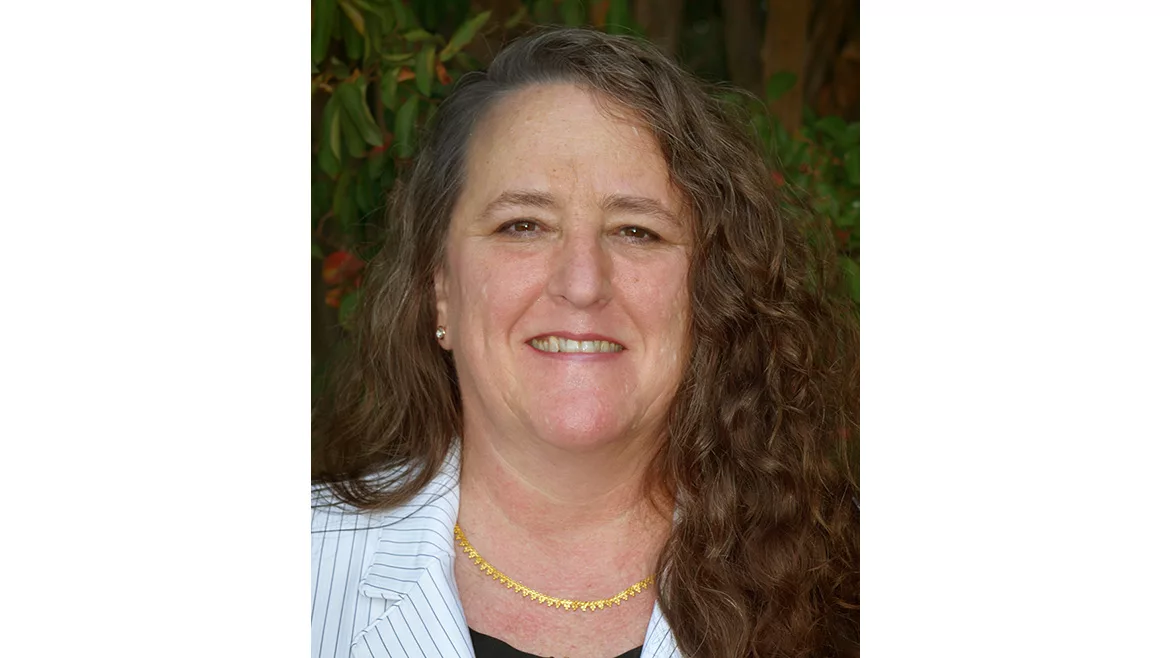
Thomasena Philen
What caused you to/when did you enter the HVACR industry?
Like many in this field, I started learning some of the basics as an apartment maintenance technician. I guess I was lucky in that nobody in my family ever told me I couldn’t do something because I was a girl. I followed my path as a technician, then a contractor, and only then did I decide to go back to school. I was shocked to learn how much I didn’t know as I worked my way through the program, and I thought I was a pretty good technician going in.
What has been the most rewarding aspect of working in HVACR?
I love fixing things. I always have. But what is super exciting to me is the frontier. This field is changing daily, and new technology is everywhere. Additionally, once I got involved in energy efficiency, I could suddenly see how everything is connected and interdependent with the grid and how siloed various agencies, learning institutions, the supply chain, and the workforce are. Making connections and doing my part to accelerate adoption of new high efficiency and cold climate technologies is very rewarding for me.
Describe the proudest moment in your career.
I’ve been a technician and an HVAC contractor for a long time, and I was pretty happy doing what I did. But I was a shy kid and a fairly introverted young adult. Getting over my fear of public speaking and then going out there to not only teach in the classroom but speak at conferences was a series of very proud moments for me.
What challenges do women face in this profession? Can you give a personal example?
No. 1, most young people, especially women, aren’t aware of all of the facets of this career field. It’s not just driving around in a van and crawling in attics all day. Of course, there are always those people, either in management or male coworkers, that will challenge a woman doing what’s considered a man’s job. I personally have found that it usually only takes about five minutes talking with me to learn that I know my job really well. To be honest, though, this field can require a technician to be on call or work late, but that applies to many career fields such as medical, research, computer technology, journalism, or even financial trading, just to name a few.
How can we increase the number of women in HVACR?
So first, knowing that this is a career that can be lucrative, is very stable, and can range from residential air conditioning and appliances all the way to building operations and system controls. I’ve seen some HVAC system control rooms that look like something out of NASA, and it all starts with getting formal training through a college, trade school, or apprenticeship program. Second, women need to see themselves in this field. Do an internet search of images of HVAC technicians and you’ll see what I mean. Representation matters. Third, and this is incredibly important, middle schools and high schools must stop seeing the trades as “shop class” and start seeing these careers as STEM. Every day, we use chemistry, algebra, physical science, computer technology, and even some understanding of pathogens and mitigation techniques in our jobs as HVACR technicians.
What does your day-to-day job entail?
I’m a licensed commercial air conditioning contractor in Texas, I own a small business designing training materials for the trades, and I’m a consultant or advisor or participant in several groups and organizations involved in energy efficiency, decarbonization, and emerging technologies. But as a technician in the field, it’s a lot of responding to calls, diagnosing or troubleshooting equipment malfunctions, hoping the right part is on the truck, invoicing, making recommendations to the owner, and sometimes discussing upgrade options.
What remains on your HVACR bucket list — what do you aspire to do that you haven’t accomplished yet?
I want to help fundamentally change how the trades, and more specifically, HVACR, are taught. If we want young people to enter the trades, we must curate the learning into a methodology they are already consuming. COVID changed education in such a fundamental way as far as how we teach anything. We have learned a lot about what works and what doesn’t work, but making education engaging, interactive, and applicable to the field is really important, and I want to be a part of it.
What advice do you have for women who are considering a career in HVACR?
Any woman who is considering HVACR as a career should first get past that image of “Two Dans in a van” pulling up to fix the a/c. There is so much more out there, and I encourage them to research it. If crawling attics isn’t their thing, then look into commercial refrigeration and appliance repair, or even specialize in one thing and do it really well. I used to know one woman who worked on nothing but commercial ice makers, and she was busy. Women who are looking into the wide field of HVACR will hear that there is a lot of heavy lifting, climbing, crawling, and hot-work. The thing I carried the most as a field technician was a tool bag slung over my shoulder and a set of gauges slung over the other — no heavier than a big purse or backpack. If I needed anything else, that’s what wheels, pulleys, and levers are for, and for the really big stuff, we might even use cranes or helicopters. The career arc for an apprentice to a journeyman is about five years, and whether she is just graduating high school or is changing her career path, she can go from struggling to owning her own house with her own car in the garage in that time span.
Looking for quick answers on air conditioning, heating and refrigeration topics? Try Ask ACHR NEWS, our new smart AI search tool. Ask ACHR NEWS
Looking for a reprint of this article?
From high-res PDFs to custom plaques, order your copy today!