FROSTlines
New York’s Proposed HFC Rules Face Heat from Critics
Some say the draft regulation could leave the state without air conditioning or refrigeration
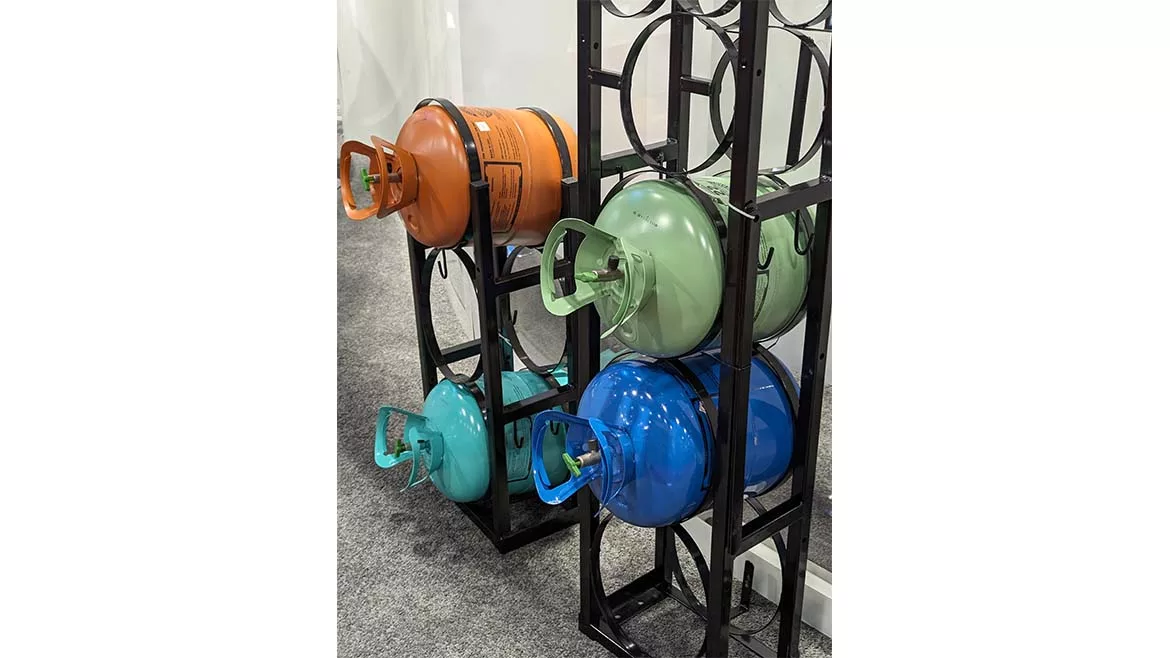
Daikin Comfort Technologies North America and the Esco Institute are offering an online course on understanding and working with new refrigerants.
Staff photo
Amid growing concerns regarding the environmental impact of refrigerant emissions, the U.S. Environmental Protection Agency (EPA) has taken a significant step in reducing their impact with the enactment of the AIM Act. This federal legislation mandates a phasedown of high-GWP HFCs, such as R-410A and R-404A, which are commonly used in refrigeration, air conditioning, and other applications.
However, the landscape becomes increasingly complex as individual states — such as New York — are forging ahead with more aggressive regulations concerning the use of HFCs. While proponents argue that state-level initiatives bolster efforts to combat climate change, critics raise concerns about potential inconsistencies between state and federal regulations, with some contending that New York's rules may present unrealistic challenges for compliance and hinder alignment with the EPA's federal mandates.
director of state and public affairs
HARDI
Differences
Under the AIM Act, EPA is mandating that most new residential and light commercial air conditioners and heat pumps use refrigerants with <700 GWP by January 1, 2025. For most new commercial refrigeration systems used in supermarkets and convenience stores, the rule mandates a 150 or 300 GWP limit, with compliance dates ranging from 2026 to 2028, depending on the size of the equipment.
In calculating the impact of various HFCs, EPA references the Intergovernmental Panel on Climate Change's (IPCC’s) Fourth Assessment Report (AR4), which uses the 100-year GWP (GWP100) measurement. This metric compares the HFC’s ability to trap heat in the atmosphere over a 100-year period relative to CO2. On the other hand, the New York State Department of Environmental Conservation (NYSDEC) is proposing amendments to 6 NYCRR Part 494, which would, among other things, adopt a 20-year GWP (GWP20), per the IPCC’s Sixth Assessment Report (AR6). The GWP20 prioritizes gases with shorter lifetimes, because it does not consider impacts that happen more than 20 years after the emissions occur.
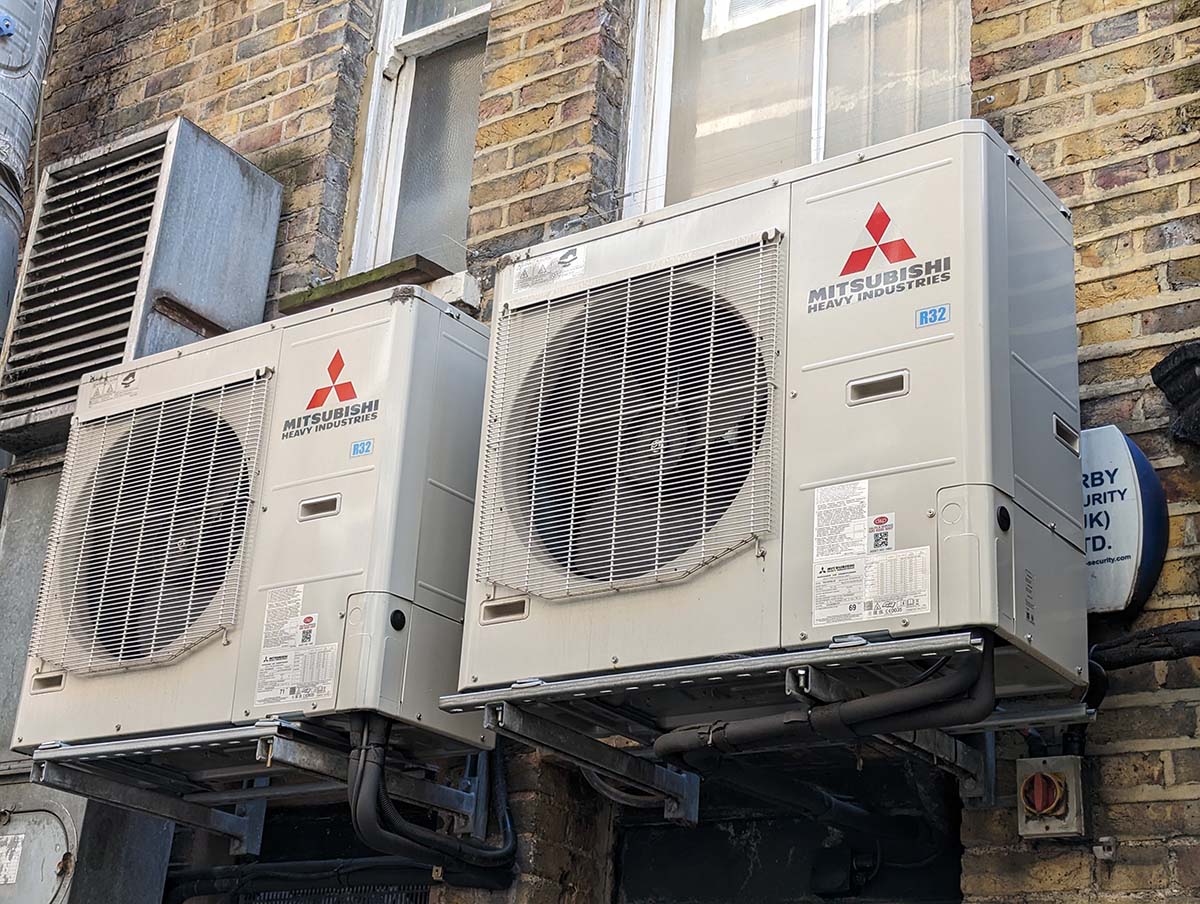
LOW GWP: Starting January 1, 2028, refrigerants with a GWP20 greater than 10 would be prohibited in new air conditioners and heat pumps bound for New York. (Staff photo)
Additionally, NYSDEC is proposing multiple step-downs in refrigerant requirements (depending on equipment type), with the final step-down requiring a GWP20 of less than 10 for almost all new air conditioning and refrigeration equipment. For residential and light commercial air conditioning and heat pumps, for example, new equipment would have to be manufactured with <700 GWP by January 1, 2025, per EPA regulations. However, starting January 1, 2028, virgin substances with a GWP20 greater than 10 would be prohibited in new equipment bound for New York, and refrigerants with a GWP20 greater than 10 would be prohibited entirely as of January 1, 2034.
For new supermarket refrigeration systems and remote condensing units, HFCs with a GWP20 greater than 580 would be prohibited in equipment with a refrigerant charge capacity of 50 pounds or greater starting January 1, 2025. For systems containing less than 50 pounds of refrigerant, substances with a GWP20 greater than 943 would be prohibited by the same date. As above, refrigerants with a GWP20 greater than 10 would be prohibited entirely in commercial refrigeration equipment as of January 1, 2034.
NYSDEC is also proposing stricter leak detection, monitoring, and repair regulations, as well as bulk import restrictions on virgin and reclaimed refrigerant, which could limit access to HFC refrigerants used to service existing equipment.
Looking for quick answers on air conditioning, heating and refrigeration topics? Try Ask ACHR NEWS, our new smart AI search tool. Ask ACHR NEWS
If the proposed amendment is enacted, it would effectively ban the installation of current technologies used for air conditioning and refrigeration systems for its businesses and residents, wrote Todd Titus, director of state and public affairs at HARDI, in a blog post. He added that this amendment is too aggressive and does not allow enough time to appropriately phase out, or even phase down, to the stated GWP requirements.
“This radical GWP20 requirement would make the most common refrigerants unusable throughout New York State,” he said. “NYSDEC amendments to Part 494 would then force the industry to begin applying alternative refrigerants. Alternative refrigerants require ultra-high pressures or high-flammability refrigerants, which are hard to retrofit into existing buildings and require major changes to safety standards and building codes that are unlikely to be achieved in time for the proposed prohibitions (the earliest prohibition being January 1, 2025).”
Titus added that the labor force in New York State lacks both the education on alternative refrigerants and the necessary manpower statewide, which threatens to leave many residents and businesses without functioning air conditioning, refrigeration, or other essential systems. In addition, he said that the proposed aggressive GWP requirement lacks precedent, making New York State the sole jurisdiction in the United States with such stringent refrigerant guidelines.
Public Concerns
As part of the rulemaking process, NYSDEC hosted a public comment hearing on the proposed amendment to Part 494 on March 13, 2024, with written comments due March 19, 2024. In the meeting, Suzanne Hagell, greenhouse gas mitigation team lead in the office of climate change at NYSDEC, noted that HFCs currently comprise 6% of total statewide greenhouse gas emissions in New York, but without the proposed regulation, the share is projected to increase to almost 42% of greenhouse gas emissions.
“The Department is aware that there is a variety of misconceptions amongst members of the public with regard to the proposed amendments to Part 494, based in part on misinformation about this proposal,” said Hagell. “To be clear, while the Department is aware of public claims to the contrary, this rulemaking does not require any person or entity to replace any existing equipment or product. For example, the proposed rule as designed would not require grocery stores, including small and independent businesses, to replace their refrigeration equipment before the end of its useful life.”
Nick Kusmierski, owner of four grocery stores in various counties around New York, disagreed with Hagell’s assessment, noting that the proposed amendment would require premature disposal of existing HVACR equipment due to the phase-out of the refrigerants currently used to service those units.
“It's misleading to claim that it does not require the scrapping of existing equipment — it passively does that by banning the gas that would be used in that equipment,” said Kusmierski. “All of these expenses will increase costs to consumers. The food supply chain alone, through suppliers, manufacturers, distributors, transporters, retailers, and wholesalers, will have increased expense due to these requirements that are in the proposal as currently written.”
Consequently, increased costs of compliance may force independent grocers situated in underserved communities to shutter their operations, adversely affecting the neighborhoods they serve. Deric West, proprietor of Honeoye Falls and Mendon Meadows Marketplace in upstate New York, expressed concern about this possibility, noting that the proposed amendment could precipitate the emergence of food deserts.
“The proposals being promulgated by this committee create an undue and insurmountable financial burden on local independent retailers, who are actively serving and being vibrant stewards of their communities,” said West. “Utilizing a blunt instrument to help promulgate these goals creates unintended consequences that will result in the creation of food deserts in rural and urban areas, continue to bolster food inflation, and reduce consumer choice by creating an immense burden on independent retailers.”
Tim Bowen, refrigeration compliance and maintenance manager at Tops Markets, also voiced strong opposition to the state’s proposed new regulations on HFC refrigerants.
“We really are trying to do the right thing,” said Bowen. “We are continuing to convert some of our systems into readily available gases, but the GWP20 will make those gases obsolete by 2034. Any investment we're making today has a very short shelf life. We're trying to get out of some of these HFCs, but we don't have a strong roadmap and guidance from the state on how to accomplish that. We would respectfully ask that you go back to the GWP100 … which would still put a big dent in the GWP we currently have and help the state meet their goals.”
While Daikin supports the goal of the NYSDEC to achieve at least a 40% overall emissions reduction by 2030, Kelley Raymond, senior director of sustainability and environmental advocacy with Daikin U.S. Corporation, expressed concerns that the proposal could ultimately leave New York residents without access to safe, reliable, and affordable HVACR equipment.
“The proposal lacked a review of the significant challenges that need to be addressed regarding human safety, the lack of technology availability, the lack of readiness of equipment, the reduction in overall equipment efficiency, and the substantial cost burdens that we believe will fall on businesses and especially environmental justice communities, as well as overall equipment emissions,” said Raymond.
On the issue of cost, Daikin believes that it was not adequately addressed in the regulatory impact analysis and the accompanying study commissioned by NYSDEC, said Raymond, and that the policy recommendations will be unattainable for a significant portion of the air conditioning and heat pump sectors.
“There's insufficient engagement with the air conditioning equipment manufacturers and independent experts,” said Raymond. “The proposal will have unintended consequences for New York State, including preventing the state from electrifying heating and reaching its emission reduction goals, and will cause communities to lose access to necessary and life-saving heating and cooling technologies.”
Johnson Controls also has concerns about New Yorkers being deprived of life-saving HVAC products as a result of this proposed amendment, said Chris Forth, vice president of regulatory, codes, and environmental affairs at Johnson Controls.
“HVAC manufacturers must have long-term certainty on our refrigerants, including multiple EPA SNAP-approved alternatives, well ahead of any proposed deadlines,” said Forth. “Having those in the market well ahead of time is critical for us to ensure those products are available for the public.”
During the public comment hearing, those supporting the changes to Part 494 highlighted the availability of ultra-low-GWP refrigerants like CO2 and propane for commercial refrigeration systems and pointed out that natural refrigerants are already widely used in Europe.
“Our company provides a wide range of commercial and industrial refrigeration and HVAC solutions using natural refrigerants, including carbon dioxide and ammonia,” said Dave Malinauskas, president of CIMCO Refrigeration in Toronto, Canada. “The proposal provides flexibility to small businesses in disadvantaged communities that are experiencing economic hardship and does not, as some recent articles have suggested, require the early replacement of equipment. It simply requires that when equipment is replaced by the end user at the end of its life, it be replaced with the most climate-friendly alternatives.”
The NYSDEC is currently evaluating public feedback on the proposed amendment. For updates on the status of the proposal, visit https://dec.ny.gov/regulatory/regulations/proposed-emergency-recently-adopted-regulations/climate-change.
Looking for a reprint of this article?
From high-res PDFs to custom plaques, order your copy today!