ACHR News
search
Ask ACHR NEWS AI
cart
facebook twitter instagram linkedin youtube
  • Sign In
  • Subscribe
  • Sign Out
  • My Account
ACHR News
  • NEWS
    • Breaking News
    • New HVAC Products
    • Featured Products
    • Manufacturer Reports
    • HVAC Data
    • Legislation
    • ACHR NEWS Centennial
  • RESIDENTIAL
    • Air Conditioners
    • Furnaces
    • Residential Heat Pumps
    • Ductless
    • Residential IAQ
    • Testing, Monitoring, Tools
    • Components & Accessories
  • COMMERCIAL
    • Air Handlers
    • Rooftop Units
    • Chillers and Cooling Towers
    • Commercial Heat Pumps
    • Boilers and Hydronics
    • VRF/Ductless
    • Commercial IAQ
  • REFRIGERATION
    • Refrigerants
    • Refrigerant Regulations
    • Leak Management
  • CONTRACTOR PRO
    • Geothermal
    • Homeowner Study
    • VRF and VRV Ductless
    • Unitary Trends
  • EDUCATION
    • Training and Education
    • Business Management
    • Service and Maintenance
    • Continuing Education
    • Market Research >
      • HVAC Brand Awareness Report
      • VRV, VRF, VRVZ Report
      • Unitary Trends Report
      • Water Heat Professionals Report
    • Webinars
    • Sponsor Insights
    • eProducts Info
    • White Papers
  • EVENTS
    • HVAC Contractor Forum
    • Industry Events and Webinars
  • MEDIA
    • Videos
    • AHR Expo 2025 Videos
    • Podcasts >
      • ACHR News Podcast
      • HARDI Podcasts
      • AHR Expo Podcasts
      • ACCA Podcasts
    • Interactive Spotlights
    • Quizzes
    • eBooks
    • HVAC Talkback
  • HVAC GROUP
    • ACHR NEWS >
      • Current Issue
      • Digital Edition
      • Subscribe
    • Distribution Trends
    • SNIPS NEWS >
      • Join SNIPS NEWS
    • Engineered Systems News >
      • Join ES News
    • HVACR Directory
    • Contests
    • Newsletters
    • Contact
    • Advertise
    • My Account
NewsComponents & AccessoriesValves & Pumps

The Beneficial Properties of Small Diameter Copper Tube for Heat Exchangers

The decarbonization of the HVACR industry is on full display in 2023

By Marcus Elmer
Small Diameter Copper Tubes
EFFICIENT TUBES: understanding the beneficial properties of small-diameter copper tubes is more important than ever, especially with the new HVAC and appliance equipment designed for green buildings and better efficiency. (Courtesy of Copper Development Association)
August 19, 2023

The decarbonization of the HVACR industry is on full display in 2023. This is largely because legislators worldwide have set net-zero targets for the carbon dioxide (CO2) expelled into the atmosphere.

While there are several strategies to achieve low- to zero-carbon emissions, such as safer refrigerant management practices, efficient refrigeration and HVAC systems are essential to energy management and the operational cost of residential, commercial, or industrial buildings.

The energy efficiency of heating and cooling appliances and equipment has steadily increased in recent years, partly thanks to the use of smaller-diameter copper tubes in heat pumps, air conditioners, and refrigeration systems.

This year, heat pumps have dominated the scene with various low ambient temperature capabilities and capacities. Our team observed that many heat pumps have copper tubes in their heat exchangers: some ⅜-inch (9.5 mm), but mostly 7 mm in diameter, depending on the unit capacity.

Additionally, manufacturers are designing a new generation of heat exchangers with more advantages over present designs. These new heat exchangers have copper tubing designed with an even smaller diameter (5-mm copper tube) than competing heat exchanger designs, allowing for a better performing product with higher internal and external heat transfer coefficients.

That said, understanding the beneficial properties of small-diameter copper tubes is more important than ever, especially with the new HVAC and appliance equipment designed for green buildings and better efficiency.

Below we share five beneficial properties and characteristics of small-diameter copper tube for heat exchangers:

For a comprehensive overview, watch the webinar below presented by Optimized Thermal Solutions (OTS), which covers small-diameter tube fundamentals, heat exchanger design challenges and considerations, accessible and inexpensive design tools, example cases, and more.

Looking for quick answers on air conditioning, heating and refrigeration topics? Try Ask ACHR NEWS, our new smart AI search tool. Ask ACHR NEWS →


1. High thermal conductivity — Copper is known for its superior thermal conductivity, approximately 400W/m.K. This high thermal conductivity ensures low thermal resistance in the wall of the tube, which facilitates heat transfer between the inner and outer surfaces. When a fluid flows through the tube, the heat is transferred from the fluid to the tube wall due to the temperature difference.

The high thermal conductivity of copper allows for efficient and rapid heat transfer, ensuring that the temperature of the fluid is maintained at a constant level. This is particularly important in heat exchanger applications, where the efficient transfer of heat is crucial for the effective functioning of the system.

Overall, the superior thermal conductivity of copper tubes makes them an excellent choice for heat exchangers, offering efficient and effective heat transfer properties.


2. Excellent durability and corrosion resistance — Copper is a highly durable material with excellent corrosion resistance, making it an ideal choice for heat exchanger tubes. This resistance stems from its ability to form a protective layer of oxide on its surface, which helps to prevent further corrosion.

In addition to corrosion resistance, copper also offers biofouling resistance, which means it is less susceptible to the buildup of organic material on its surface. This is because copper has antimicrobial properties that help to inhibit the growth of bacteria, fungi, and other microorganisms that can cause biofouling.

From a heat exchanger context, copper reduces material buildup and potential fouling that can prohibit the proper heat transfer within the unit and degrade its performance over time.


3. Copper is a predictable metal — The desired temper for ductility of copper tubes offers several manufacturing advantages for heat exchanger applications. One of the most significant is the ability to achieve the precise temper of copper, allowing for inner grooving maximization, which can improve the heat transfer properties of the tube.

Inner grooving improves the heat transfer properties of the tube by creating turbulence within the flow of fluid.

This, in turn, enhances heat transfer by increasing the surface area of the tube that is in contact with the fluid. This means that more heat can be transferred from the fluid to the tube, improving the overall efficiency of the heat exchanger.

The predictable temper and material characteristics of copper also make it easier to bend and shape the tubes, which can be useful in applications where space is limited or where complex shapes are required.

Overall, the predictability and pliability of copper tubes make them an excellent choice for heat exchangers, offering superior heat transfer properties and ease of use during manufacturing.


4. Small-diameter copper tube has superior strength, allowing for thinner walls — Small-diameter copper tubes have superior strength, allowing thinner walls. This means the tubes can have a smaller diameter while maintaining the same strength level as larger tubes with thicker walls.

Small-diameter copper tubes have superior strength, allowing thinner walls. Thinner walls also mean that less material is needed to manufacture the tubes, reducing costs and making the tubes an economical choice.

Additionally, smaller diameter tubes can be used to create heat exchangers with a more compact design, which can be useful in applications where space is limited.

Small-diameter copper tube offers the ability to withstand high pressures. This is particularly important for high-pressure systems, such as those using CO2, where the tubes need to be able to withstand significant pressure without compromising performance or safety.

Small-diameter tubes with thinner walls can withstand these high pressures using less material than conventional-diameter tube heat exchangers.


5. Overall reduction in cost — Regarding heat exchanger coils, manufacturing and repair costs are important considerations. Fortunately, using copper tubes in heat exchanger coils can offer significant advantages in both areas.

Round-tube, plate-fin coils made with copper tubes benefit from well-established manufacturing methods that are both efficient and cost-effective.

Additionally, the smaller diameter of copper tubes means less material usage, further reducing manufacturing costs.

Smaller diameter coils made with copper tubes can be produced using familiar tube-handling and coil-assembly equipment, keeping manufacturing costs low. In terms of longevity and durability, copper is a superior material that yields products with proven longevity.

Copper's durability also makes it easy to inspect, test, and repair coils, extending their life span and reducing repair costs over time. Overall, using copper tubes in heat exchanger coils can offer significant cost savings, while providing superior performance and durability.

KEYWORDS: copper tubing decarbonization energy efficiency heat exchangers tubing

Share This Story

Looking for a reprint of this article?
From high-res PDFs to custom plaques, order your copy today!


Marcus Elmer is director of tube and fittings with the Copper Development Association.

Recommended Content

JOIN TODAY
To unlock your recommendations.

Already have an account? Sign In

  • HVAC-enrollment

    The Trades Are Back: HVACR Programs See Nearly 30% Enrollment Spike

    A new wave of future technicians is entering the pipeline.  
    News
    By: Matt Jachman
  • 2025 Top 40 Under 40

    2025 Top 40 Under 40 HVACR Professionals List

    The 11th annual Top 40 Under 40 list highlights those...
    HVAC Residential Market
    By: Hannah Belloli-Oster
  • LG Ductless Mini-Split Systems

    The 9 Types of Heat Pumps

    As the U.S. moves toward electrification, heat pumps are...
    Heat Pumps
    By: Joanna R. Turpin
Subscription Center
  • Create an Account
  • Start a Subscription
  • Manage My Account
  • Sign Up for Newsletters
  • Visit Customer Service
  • Update Preferences

More Videos

Sponsored Content

Sponsored Content is a special paid section where industry companies provide high quality, objective, non-commercial content around topics of interest to The News audience. All Sponsored Content is supplied by the advertising company and any opinions expressed in this article are those of the author and not necessarily reflect the views of The News or its parent company, BNP Media. Interested in participating in our Sponsored Content section? Contact your local rep!

close
  • Piggy Bank
    Sponsored byWatercress Financial

    Energy Prices, Inflation, and HVAC: What Today’s Homeowners Care About

  • Refrigerated Food
    Sponsored bySolstice Advanced Materials

    R-455A Refrigeration: A Cold Storage Solution for the Future

  • Airex Rooftop Units
    Sponsored byAirex Manufacturing Inc

    Consolidating Roof Penetrations: A Growing Trend in Multifamily HVAC Design

Popular Stories

HVAC-Price-Increase-graphic

HVAC Price Increase List: June 2026

Trump-Section-232.jpg

Trump Reduces Section 232 Tariffs on HVAC Equipment to 15%

R410A-Refrigerant-Cylinder.jpg

Refrigerant Recovery is a Revenue Opportunity

Heat-pump-cutaway.jpg

PFAS Rules and A2L Building Codes Continue to Evolve

Kroger.jpg

Kroger to Spend $100 Million to Reduce Refrigerant Leaks

View The ACHR NEWS
Centennial Anniversary Timeline

The ACHR News Timeline Chart
Submit a Letter
Submit a letter to our editors.

Events

November 6, 2025

Next-Gen Data Center Cooling: HVAC Innovation and Real-World Solutions

On Demand As AI workloads and high-density computing push traditional cooling methods to their limits, the data center industry is accelerating the adoption of next-generation HVAC technologies.

June 17, 2026

Decarbonization Without Disruption

This webinar will explore practical HVAC decarbonization strategies that minimize disruption while maximizing long-term performance and ROI.

View All Submit An Event

Poll

Summer Staff

Are you fully staffed for the summer season?
View Results Poll Archive

Products

BNI Mechanical/Electrical Square Foot Costbook, 2026 Edition

BNI Mechanical/Electrical Square Foot Costbook, 2026 Edition

See More Products
Decarbonization Without Disruption - Free Webinar - 6/17/2026

Related Articles

  • April 16, 2015: Software Can Now Simulate Performance of Small-Diameter Copper Tube

    See More
  • CDA Case Study Heat Exchanger

    Advancing Heat Exchanger Design with Small-Diameter Copper Tubes

    See More
  • Nov. 8, 2010: Lab Tests Show Microgrooves Increase Heat Transfer in Small-Diameter Copper Tubes

    See More

Related Products

See More Products
  • bsctppm.png

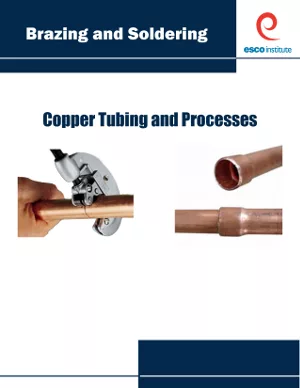
    Brazing & Soldering: Copper Tubing and Processes

  • Uncomplicating The Heat Pump: Electrical System Troubleshooting DVD

  • Uncomplicating The Heat Pump: Refrigeration & Air Flow Systems DVD

See More Products

Related Directories

  • Polaris Plate Heat Exchangers LLC

    Plate heat exchangers, compact brazed plate heat exchangers, double-wall plate heat exchangers, semi-welded plate heat exchangers and automatic self-cleaning filters/strainers.
×

Sign Up. Stay Informed.

The #1 trusted source for the HVACR industry since 1926

SUBSCRIBE
  • RESOURCES
    • Advertise
    • Contact Us
    • Advisory Board
    • Classifieds
    • Submit a Letter
    • Directories
    • Store
  • ACCOUNT CENTER
    • Create an Account
    • Start a Subscription
    • Manage My Account
    • Sign Up for Newsletters
    • Visit Customer Service
    • Update Preferences
  • SERVICES
    • Marketing Services
    • Reprints
    • Market Research
    • List Rental
    • Survey/Respondent Access
  • STAY CONNECTED
    • LinkedIn
    • Facebook
    • Instagram
    • YouTube
    • X (Twitter)
  • PRIVACY
    • PRIVACY POLICY
    • TERMS & CONDITIONS
    • DO NOT SELL MY PERSONAL INFORMATION
    • PRIVACY REQUEST
    • ACCESSIBILITY

Copyright ©2026. All Rights Reserved BNP Media, Inc. and BNP Media II, LLC.

Design, CMS, Hosting & Web Development :: ePublishing