ACHR News
search
Ask ACHR NEWS AI
cart
facebook twitter instagram linkedin youtube
  • Sign In
  • Subscribe
  • Sign Out
  • My Account
ACHR News
  • NEWS
    • Breaking News
    • New HVAC Products
    • Featured Products
    • Manufacturer Reports
    • HVAC Data
    • Legislation
    • ACHR NEWS Centennial
  • RESIDENTIAL
    • Air Conditioners
    • Furnaces
    • Residential Heat Pumps
    • Ductless
    • Residential IAQ
    • Testing, Monitoring, Tools
    • Components & Accessories
  • COMMERCIAL
    • Air Handlers
    • Rooftop Units
    • Chillers and Cooling Towers
    • Commercial Heat Pumps
    • Boilers and Hydronics
    • VRF/Ductless
    • Commercial IAQ
  • REFRIGERATION
    • Refrigerants
    • Refrigerant Regulations
    • Leak Management
  • CONTRACTOR PRO
    • Geothermal
    • Homeowner Study
    • VRF and VRV Ductless
    • Unitary Trends
  • EDUCATION
    • Training and Education
    • Business Management
    • Service and Maintenance
    • Continuing Education
    • Market Research >
      • HVAC Brand Awareness Report
      • VRV, VRF, VRVZ Report
      • Unitary Trends Report
      • Water Heat Professionals Report
    • Webinars
    • Sponsor Insights
    • eProducts Info
    • White Papers
  • EVENTS
    • HVAC Contractor Forum
    • Industry Events and Webinars
  • MEDIA
    • Videos
    • AHR Expo 2025 Videos
    • Podcasts >
      • ACHR News Podcast
      • HARDI Podcasts
      • AHR Expo Podcasts
      • ACCA Podcasts
    • Interactive Spotlights
    • Quizzes
    • eBooks
    • HVAC Talkback
  • HVAC GROUP
    • ACHR NEWS >
      • Current Issue
      • Digital Edition
      • Subscribe
    • Distribution Trends
    • SNIPS NEWS >
      • Join SNIPS NEWS
    • Engineered Systems News >
      • Join ES News
    • HVACR Directory
    • Contests
    • Newsletters
    • Contact
    • Advertise
    • My Account
NewsIndoor Air QualityVentilationGuest ColumnFans

Optimize HVAC Systems With HVLS Fans
By Emily Newton
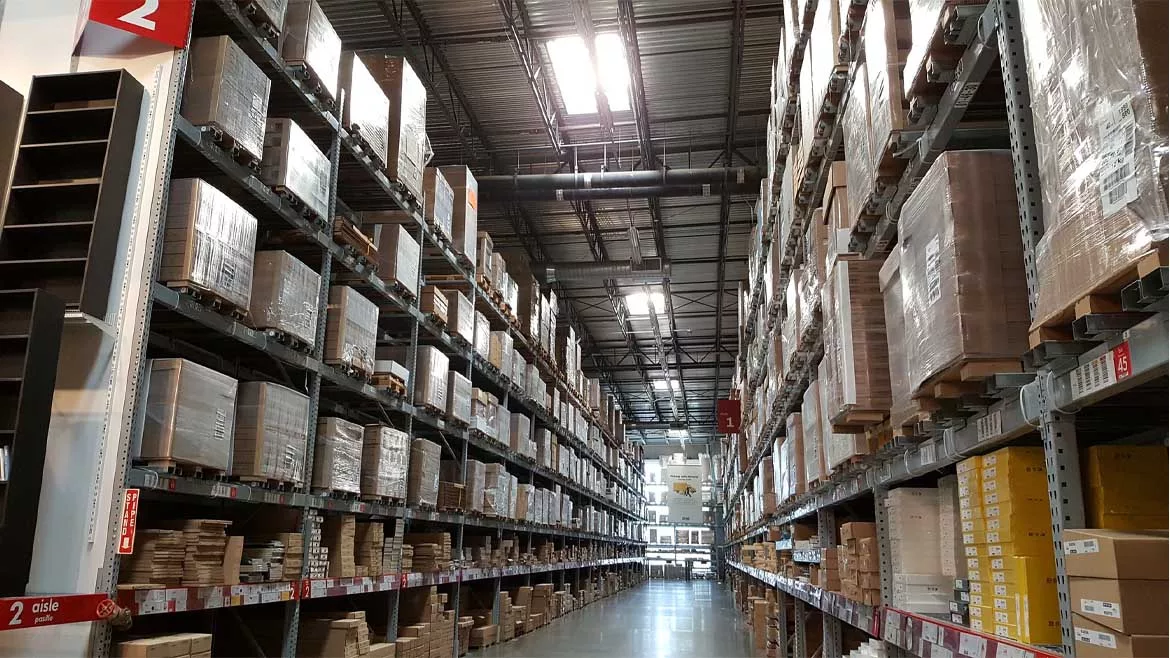
Warehouse

INDOOR ENVIRONMENT: HVLS fans can help prevent common facility issues such as slick floors and inventory damage due to moisture. (Courtesy of Pixabay)

April 6, 2022

Optimizing HVAC systems with new technology can result in a domino effect of benefits. One great example is the high-volume, low-speed (HVLS) fan. These fans can boost HVAC system performance, efficiency, and sustainability. They may even result in lower energy costs.


What Makes HVLS Fans Different?

HVLS fans are often found in warehouses or similar large rooms where managing indoor air quality (IAQ) can be difficult. They are designed to slowly move large amounts of air, maintaining temperatures in expansive facilities. Rather than prioritizing high fan speed, the large blades and slow rotation allow them to circulate air in an energy-efficient manner. This is especially valuable in the sprawling facilities where HVLS fans have a particularly high return on investment.

HVLS fans, which range in blade size from 7 to 24 feet, are typically suspended from the ceiling with no exposed or loose-hanging wires. They can be found in two main motor varieties: gearbox or direct drive. Direct drive motors tend to be lower maintenance and less noisy, making them the ideal choice when available.

HVLS fans prioritize cost and energy efficiency. Fans that can blast high-power cold air all day are expensive and often not as effective at improving air quality as they may seem. By contrast, HVLS fans shine when it comes to improving indoor air quality and boosting HVAC system performance.


Efficient HVAC System Performance

HVAC systems are crucial in large facilities, but they can quickly lead to high energy costs in warm and cold months alike. HVLS fans can lead to noticeable improvements in HVAC system performance, improving efficiency.

It is important to remember that part of what makes hot air so uncomfortable is high humidity. Simply eliminating or dispersing that moisture can make ambient air feel much cooler in any space. This is where traditional high-power fans fall short compared to HVLS fans. An HVLS fan will generate a light breeze that helps evaporate moisture in the air, leading to a cooling effect of 7-11°F. This takes pressure off the HVAC system, boosting performance and reducing energy costs.

This efficiency increase isn’t lost in cooler months, though. The most common challenge building managers face when it comes to heating is the fact that warm air naturally rises. A large facility with high ceilings may have freezing floor temperatures where all the building’s inhabitants are. HVLS fans solve this problem, enabling HVAC system performance to match the needs of the building all year.

Looking for quick answers on air conditioning, heating and refrigeration topics? Try Ask ACHR NEWS, our new smart AI search tool. Ask ACHR NEWS →

It may sound counterintuitive to use fans to increase warmth. However, since HVLS fans rotate slowly, they redistribute warm air instead of eliminating it. This results in consistent, efficient circulation of warm air as the HVLS fan pushes it back down to the floor.


Moisture and Stale Air Management

The cooling and moisture management capabilities of HVLS fans go beyond making facilities more comfortable. Indoor air quality management can be detrimental to the health and well-being of a building’s inhabitants. According to Indventech, one of the top solutions HVLS fans provide is addressing moisture management for building health.

Moisture that builds up in and on ceilings, walls, floors, and other indoor surfaces can result in the accumulation of bacteria and pollutants. Slick surfaces pose a safety risk even when microbial hazards don’t materialize. These hazards are often difficult or impossible to see with the naked eye until they develop into a health threat for the building and people alike.

HVLS fans can prevent all these hazards, though. Slowly circulating air can make a monumental difference in IAQ. HVLS fans ensure fresh air is constantly being distributed. They also eliminate moisture buildup, leading to comfortable and healthier air.

Additionally, HVLS fans can prevent common facility issues such as slick floors that result in what Concrete Construction calls, “sweating slab syndrome” and the resulting inventory damage due to moisture. By evenly and continuously redistributing humid air, HVLS fans prevent moisture from building up on any one surface, no matter the elevation. This is especially helpful in warehouses and restaurants, where moisture buildup can lead to ruined goods and contaminated perishable items.


Using HVLS for Sustainability Initiatives

Sustainability initiatives have become a major priority in virtually every industry over recent years. The great thing about pursuing more sustainable operations is that it often leads to tangible economic and health benefits, as well. HVLS fans are a great example of this.

HVLS fans save facilities significant amounts of energy by enabling HVAC systems to perform at maximum efficiency. This reduces carbon emissions and saves on operating costs. Those savings can then be invested in more sustainable facility improvements. This benefit applies all year since HVLS fans can distribute warm and cold air.

Energy savings can be augmented even further by using HVLS fans in combination with other sustainable building technologies. For example, Revolutionized suggests that a large space could use low-e windows to allow natural light in without compromising insulation. This type of window improves the effectiveness of HVLS fans, which will, in turn, improve HVAC system performance. Low-e windows use a special coating to regulate indoor heat by reflecting excess heat from outdoors and minimizing leakage.


Top HVAC System Performance With HVLS Fans

Improving HVAC system performance can be much simpler than it may seem with the right tools. Adding HVLS fans to a facility can make a world of difference in HVAC performance, resulting in numerous benefits. These fans are a perfect example of working smarter, not harder. They allow facilities to experience healthier air quality, efficient, and sustainable operations, and year-round cost savings.

KEYWORDS: energy efficiency high volume, low speed (HVLS) fans indoor environment Moisture Control

Share This Story

Looking for a reprint of this article?
From high-res PDFs to custom plaques, order your copy today!


Emily newton

Emily Newton is a technology and industrial journalist and the editor-in-chief of Revolutionized. She enjoys reading and writing about how technology is changing the world around us.

Recommended Content

JOIN TODAY
To unlock your recommendations.

Already have an account? Sign In

  • HVAC-enrollment

    The Trades Are Back: HVACR Programs See Nearly 30% Enrollment Spike

    A new wave of future technicians is entering the pipeline.  
    Training and Education
    By: Matt Jachman
  • 2025 Top 40 Under 40

    2025 Top 40 Under 40 HVACR Professionals List

    The 11th annual Top 40 Under 40 list highlights those...
    HVAC Commercial Market
    By: Hannah Belloli-Oster
  • LG Ductless Mini-Split Systems

    The 9 Types of Heat Pumps

    As the U.S. moves toward electrification, heat pumps are...
    Air Source Heat Pumps
    By: Joanna R. Turpin
Subscription Center
  • Create an Account
  • Start a Subscription
  • Manage My Account
  • Sign Up for Newsletters
  • Visit Customer Service
  • Update Preferences

More Videos

Sponsored Content

Sponsored Content is a special paid section where industry companies provide high quality, objective, non-commercial content around topics of interest to The News audience. All Sponsored Content is supplied by the advertising company and any opinions expressed in this article are those of the author and not necessarily reflect the views of The News or its parent company, BNP Media. Interested in participating in our Sponsored Content section? Contact your local rep!

close
  • Piggy Bank
    Sponsored byWatercress Financial

    Energy Prices, Inflation, and HVAC: What Today’s Homeowners Care About

  • Refrigerated Food
    Sponsored bySolstice Advanced Materials

    R-455A Refrigeration: A Cold Storage Solution for the Future

  • Airex Rooftop Units
    Sponsored byAirex Manufacturing Inc

    Consolidating Roof Penetrations: A Growing Trend in Multifamily HVAC Design

Popular Stories

Outdoor-condensing-units.jpg

EPA Removes R-410A Installation Deadline

Trump-Section-232.jpg

Trump Reduces Section 232 Tariffs on HVAC Equipment to 15%

HVAC-Price-Increase-graphic

HVAC Price Increase List: June 2026

cooling-habits.jpg

50 Percent of Americans Have Skipped HVAC Maintenance

ACHR NEWS Editor Chris Gray Presenting HVAC Minute 5-18-2026

HVAC Manufacturers Fight Pricing Lawsuits

View The ACHR NEWS
Centennial Anniversary Timeline

The ACHR News Timeline Chart
Submit a Letter
Submit a letter to our editors.

Events

November 6, 2025

Next-Gen Data Center Cooling: HVAC Innovation and Real-World Solutions

On Demand As AI workloads and high-density computing push traditional cooling methods to their limits, the data center industry is accelerating the adoption of next-generation HVAC technologies.

June 9, 2026

Before You Go All In on AI: Set Up Your Business to Actually Win

In this webinar, we'll walk you through exactly what to get in place before you add AI to your business. You'll leave with a clear picture of where you stand today and a practical action plan to set yourself up for real results.

View All Submit An Event

Poll

EPA Decision

Are you happy the EPA decided contractors can continue to install R-410A equipment?
View Results Poll Archive

Products

BNI Mechanical/Electrical Square Foot Costbook, 2026 Edition

BNI Mechanical/Electrical Square Foot Costbook, 2026 Edition

See More Products
A2L Refrigerants - Free Webinar - May 21, 2026

Related Articles

  • EE_HVLS Fans

    Controlling Temperature and Curbing Energy Costs with HVLS Fans, Fabric Curtain Walls

    See More
  • HVLS-Fan-01.jpg

    HVLS Fans Offer Solution for Area Ventilation and Indoor Air Quality

    See More
  • TitanFan-ACHR-NEWS

    Understanding the Benefits of HVLS Fans

    See More

Related Products

See More Products
  • DUCT DESIGN.gif

    HVAC Systems Duct Design

  • Sound and Vibration.gif

    HVAC Systems Sound and Vibration Procedural Guide

  • 1987.gif

    HVAC Duct Systems Inspection Guide

See More Products

Events

View AllSubmit An Event
  • January 14, 2026

    Future-ready HVAC Systems: Transitioning to A2L with New Gas Leak Sensors

    On Demand This session will explore how emerging approaches to leak detection and system monitoring are meeting the demands of modern refrigeration and HVAC applications.
  • November 4, 2025

    Connected Comfort: Exploring the Future of Smart HVAC Systems

    On Demand In this webinar, we’ll discuss how the HVAC industry is designing systems that offer a balanced mix of performance, safety and environmental responsibility with enhanced capabilities for more efficient maintenance.
View AllSubmit An Event

Related Directories

  • ZOO Fans

    Destratification fans for open ceilings and drop ceilings, HVLS fans, Garage transfer fans. ZOO Fans save energy and increase comfort for efficiency and performance.
×

Sign Up. Stay Informed.

The #1 trusted source for the HVACR industry since 1926

SUBSCRIBE
  • RESOURCES
    • Advertise
    • Contact Us
    • Advisory Board
    • Classifieds
    • Submit a Letter
    • Directories
    • Store
  • ACCOUNT CENTER
    • Create an Account
    • Start a Subscription
    • Manage My Account
    • Sign Up for Newsletters
    • Visit Customer Service
    • Update Preferences
  • SERVICES
    • Marketing Services
    • Reprints
    • Market Research
    • List Rental
    • Survey/Respondent Access
  • STAY CONNECTED
    • LinkedIn
    • Facebook
    • Instagram
    • YouTube
    • X (Twitter)
  • PRIVACY
    • PRIVACY POLICY
    • TERMS & CONDITIONS
    • DO NOT SELL MY PERSONAL INFORMATION
    • PRIVACY REQUEST
    • ACCESSIBILITY

Copyright ©2026. All Rights Reserved BNP Media, Inc. and BNP Media II, LLC.

Design, CMS, Hosting & Web Development :: ePublishing