ACHR News
search
Ask ACHR NEWS AI
cart
facebook twitter instagram linkedin youtube
  • Sign In
  • Subscribe
  • Sign Out
  • My Account
ACHR News
  • NEWS
    • Breaking News
    • New HVAC Products
    • Featured Products
    • Manufacturer Reports
    • HVAC Data
    • Legislation
    • ACHR NEWS Centennial
  • RESIDENTIAL
    • Air Conditioners
    • Furnaces
    • Residential Heat Pumps
    • Ductless
    • Residential IAQ
    • Testing, Monitoring, Tools
    • Components & Accessories
  • COMMERCIAL
    • Air Handlers
    • Rooftop Units
    • Chillers and Cooling Towers
    • Commercial Heat Pumps
    • Boilers and Hydronics
    • VRF/Ductless
    • Commercial IAQ
  • REFRIGERATION
    • Refrigerants
    • Refrigerant Regulations
    • Leak Management
  • CONTRACTOR PRO
    • Geothermal
    • Homeowner Study
    • VRF and VRV Ductless
    • Unitary Trends
  • EDUCATION
    • Training and Education
    • Business Management
    • Service and Maintenance
    • Continuing Education
    • Market Research >
      • HVAC Brand Awareness Report
      • VRV, VRF, VRVZ Report
      • Unitary Trends Report
      • Water Heat Professionals Report
    • Webinars
    • Sponsor Insights
    • eProducts Info
    • White Papers
  • EVENTS
    • HVAC Contractor Forum
    • Industry Events and Webinars
  • MEDIA
    • Videos
    • AHR Expo 2025 Videos
    • Podcasts >
      • ACHR News Podcast
      • HARDI Podcasts
      • AHR Expo Podcasts
      • ACCA Podcasts
    • Interactive Spotlights
    • Quizzes
    • eBooks
    • HVAC Talkback
  • HVAC GROUP
    • ACHR NEWS >
      • Current Issue
      • Digital Edition
      • Subscribe
    • Distribution Trends
    • SNIPS NEWS >
      • Join SNIPS NEWS
    • Engineered Systems News >
      • Join ES News
    • HVACR Directory
    • Contests
    • Newsletters
    • Contact
    • Advertise
    • My Account
Refrigeration

Troubleshooting Overcharged Refrigerant Issues

Members of The NEWS’ Trainer Panel provide methods and advice for an overcharged system
By Nick Kostora
DETAILED DIAGNOSIS:

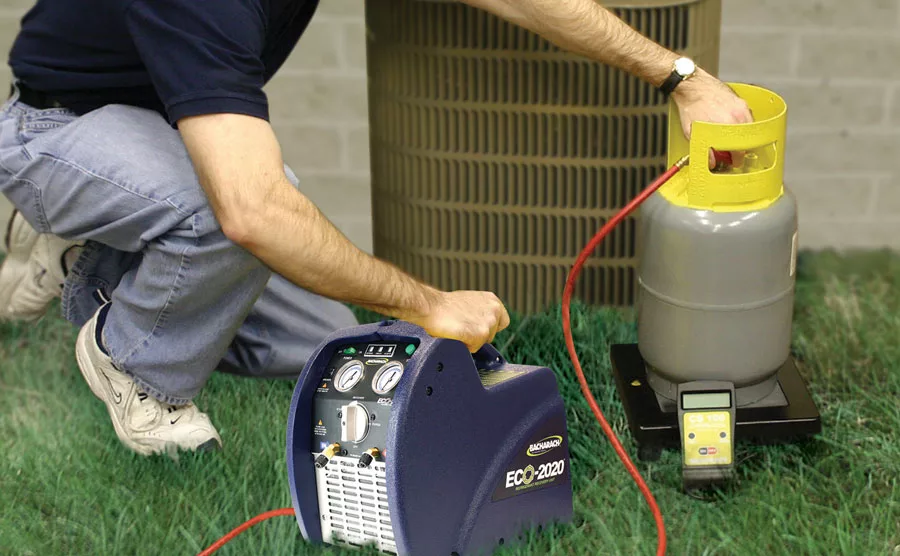
DETAILED DIAGNOSIS: The Bacharach ECO-2020 twin-cylinder refrigerant recovery unit is one device technicians may use to overcome overcharged refrigerant issues.

November 21, 2016

A refrigeration system with an overcharge of refrigerant is an issue that almost all technicians have come across at some point in their careers. It’s the direct result of human error, and even the most seasoned technicians are bound to make mistakes every once in a while.

So, once the problem has occurred, how can it be solved? What are the best approaches when it comes to fixing an overcharged refrigerant system? Do rules of thumb and shortcuts cause more harm than good?

RELATED CONTENT

• Refrigeration

• Seven Signs of
  Refrigerant Overcharge


THE SYMPTOMS

“This type of problem is still very common today, especially when a new system start-up needs to be field-charged or a major system component has been replaced and the system requires complete recharging,” said Dennis Silvestri, lead instructor, MRS Educational Training, New Haven, Connecticut. “Overcharging is also common when an existing system is converted from one refrigerant to another. A number of overcharging symptoms may occur, such as the high-side pressure will be higher than it should be, subcooling temperature will be higher than normal, and high condenser splits — the temperature difference between the ambient temperature and the condensing temperature of the refrigerant — will be present. Generally, subcooling can be between 10°-20°F and condenser splits between 10°-30°, depending on the efficiency of the condenser. Always check the manufacturer’s information on the unit being serviced.”

Joe Marchese, author, instructor and former HVACR contractor, said overcharging symptoms really depend on the system itself, “but if the system has a high pressure switch, it’s likely the system will shut down on this safety switch repeatedly.”

Joseph Adeszko, program coordinator of the HAC department at Moraine Valley Community College in Palos Hills, Illinois, said there are many ways to approach an overcharged system. “You can walk out to the condensing unit and feel the temperature of the air leaving the condensing unit,” he said. “An experienced technician can get a good feel if the air temperature seems high to them. Do a touch on the suction and discharge lines. A reciprocating compressor will be making a louder than normal noise as it struggles to pump the extra refrigerant.”

Adeszko also noted that not cooling properly is usually the reason a service call is made. “A technician can place the gauges on and will experience high suction and discharge pressures. They will also have a high amperage draw as the compressor is working harder than designed in order to pump the extra refrigerant.”


FINDING A SOLUTION

For Silvestri, it’s important to note that technicians shouldn’t be looking for the “quick fix” or trying to find the easiest way to get in and out of the job.

Looking for quick answers on air conditioning, heating and refrigeration topics? Try Ask ACHR NEWS, our new smart AI search tool. Ask ACHR NEWS →

“Knowing that no one symptom could indicate a refrigerant overcharge, this kind of problem should be diagnosed like you would any other service call,” he said. “Understand the type of system that’s being worked on, what you see, and what is occurring when the unit is operating? The customer may be able to provide information as to what they may have seen or heard when the unit was operating. In addition, copies of past service calls should be available. These could be on file with the current servicing company or possibly provided by the customer. Look them over to get an idea as to what work has been done on the equipment. All of these will provide information to the service technician to help provide a starting point for the technician to take. High- and low-side pressures along with key temperature readings, like superheat and subcooling, are invaluable to the service technician.”

Examining both sides of the system is an important part of the process, according to Marchese. “That includes the system’s high and low side pressures as well as the evaporator’s superheat and condenser subcooling values,” he said.

Marchese and Adeszko both noted there are no real shortcuts to diagnosing an overcharged system.

“A technician needs to gather data to properly troubleshoot a unit and then evaluate the data to see where the issue may be,” said Adeszko. “You need a number of data, including subcooling, superheat readings, compressor amp draw, delta T, and wet bulb temperatures. Those should be compared to the manufacturer’s specifications.”

With today’s blended types of refrigerant and issues with refrigerant fractionation, Silvestri said technicians also need to weigh in the proper amount of refrigerant.

“Package or self-contained systems have the amount of refrigerant required right on the unit’s data plate,” he said. “Generally, they do not require field-charging on new system start-ups. Remote or split systems’ data plates indicate how much refrigerant is necessary for the evaporator and condensing sections and how many additional ounces of refrigerant are required for each foot of liquid line. This type of system requires field-charging and is more prone to having the system overcharged as well as undercharged.”

Silvestri also noted that besides weighing in the refrigerant charge, many manufacturers provide charging charts that indicate what high- and low-side pressure readings the system should have based on various outdoor and indoor temperature conditions. They may also provide subcooling and superheat information, as well.

“This type of unit information does work, as long as the service technician understands how to use it and is willing to use it,” he said.

Adeszko noted that while this issue may not be quite as prevalent as it once was throughout the industry, it is a problem that will never go away.

“The mom and pop shops have gone away, and the new technicians entering the field are better trained on proper procedures. Still, there will always be overcharged systems. We all make mistakes.”

Editor’s note: The NEWS’ Trainers Panel consists of some of the best HVAC educators, instructors, and trainers from across North America. Their insights are used to answer technical questions from the field and suggest solutions to everyday problems faced by technicians. They detail proper maintenance techniques, solve troubleshooting issues, and find solutions to difficulties that are seen from coast to coast. If you’re interested in becoming a member of the panel, contact The NEWS’ products and education editor, Nick Kostora, at nickkostora@achrnews.com.

Publication date: 11/21/2016

Want more HVAC industry news and information? Join The NEWS on Facebook, Twitter, and LinkedIn today!

KEYWORDS: evaporator freezing refrigerant charging refrigerant recovery refrigeration systems

Share This Story

Looking for a reprint of this article?
From high-res PDFs to custom plaques, order your copy today!


Nick kostora

Nick Kostora is Web Editor of The NEWS. He joined BNP Media in 2014 and most recently served as products and education editor of The NEWS. He can be contacted at 248-244-6496 or nickkostora@achrnews.com.

Nick is responsible for posting online exclusive content including Extra Edition, Breaking News, Manufacturer Reports, and more; producing the eNewsletter; and contributing to the print edition. He holds a bachelor's degree in Online Journalism from Central Michigan University. 

Recommended Content

JOIN TODAY
To unlock your recommendations.

Already have an account? Sign In

  • HVAC-enrollment

    The Trades Are Back: HVACR Programs See Nearly 30% Enrollment Spike

    A new wave of future technicians is entering the pipeline.  
    Training and Education
    By: Matt Jachman
  • 2025 Top 40 Under 40

    2025 Top 40 Under 40 HVACR Professionals List

    The 11th annual Top 40 Under 40 list highlights those...
    HVAC Commercial Market
    By: Hannah Belloli-Oster
  • LG Ductless Mini-Split Systems

    The 9 Types of Heat Pumps

    As the U.S. moves toward electrification, heat pumps are...
    HVAC Commercial Market
    By: Joanna R. Turpin
Subscription Center
  • Create an Account
  • Start a Subscription
  • Manage My Account
  • Sign Up for Newsletters
  • Visit Customer Service
  • Update Preferences

More Videos

Sponsored Content

Sponsored Content is a special paid section where industry companies provide high quality, objective, non-commercial content around topics of interest to The News audience. All Sponsored Content is supplied by the advertising company and any opinions expressed in this article are those of the author and not necessarily reflect the views of The News or its parent company, BNP Media. Interested in participating in our Sponsored Content section? Contact your local rep!

close
  • An illustration shows a house with a geothermal heating system. Pipes are depicted running underground.
    Sponsored byClimateMaster

    Residential Tax Credits Are Ending, But Demand Continues

  • Piggy Bank
    Sponsored byWatercress Financial

    Energy Prices, Inflation, and HVAC: What Today’s Homeowners Care About

  • Refrigerated Food
    Sponsored bySolstice Advanced Materials

    R-455A Refrigeration: A Cold Storage Solution for the Future

Popular Stories

price-raising-practices.jpg

Rising Costs Force Contractors to Take a Harder Look at Pricing

New-HVAC-Equipment.jpg

Amended Complaint Filed in HVAC Price-Fixing Lawsuit

HARDI lolgo navy

HARDI Distributors' Sales Down Nearly 5% in May

Data-Center-Inspection.jpg

Can HVAC Train Enough Technicians for the Data Center Boom?

AHRI shipment data logo

Heat Pumps Remain HVAC’s Growth Story in Latest AHRI Shipment Data

View The ACHR NEWS
Centennial Anniversary Timeline

The ACHR News Timeline Chart
Submit a Letter
Submit a letter to our editors.

Events

November 6, 2025

Next-Gen Data Center Cooling: HVAC Innovation and Real-World Solutions

On Demand As AI workloads and high-density computing push traditional cooling methods to their limits, the data center industry is accelerating the adoption of next-generation HVAC technologies.

July 22, 2026

Designing VRF Systems Using A2L Refrigerant

In this session, we will cover how to design VRF systems for the U.S. market using new A2L refrigerants. These systems provide an advanced zoning solution by using inverter technology to deliver precise heating and cooling control across multiple zones and spaces.

View All Submit An Event

Poll

Summer Staff

Are you fully staffed for the summer season?
View Results Poll Archive

Products

BNI Mechanical/Electrical Square Foot Costbook, 2026 Edition

BNI Mechanical/Electrical Square Foot Costbook, 2026 Edition

See More Products
Designing Systems Using A2L Refrigerant - Free Webinar - 7/22/2026

Related Articles

  • Refrigerant Issues: HFCs vs. HCFCs

    See More
  • EPA and Sears Track Refrigerant Issues

    See More
  • Refrigerant issues dominate meeting

    See More

Related Products

See More Products
  • Troubleshooting Tips for Servicing Refrigeration Systems

  • Evaluating-and-Troubleshooting-Refrigeration-Systems-Video-Cover-210x300.jpg

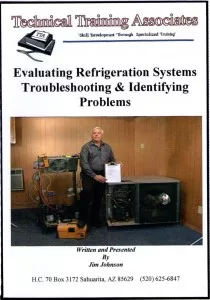
    Evaluating Refrigeration Systems Troubleshooting & Identifying Problems CONTINUED

  • HVACR Troubleshooting Fundamentals Cover Image One Sheet.jpg

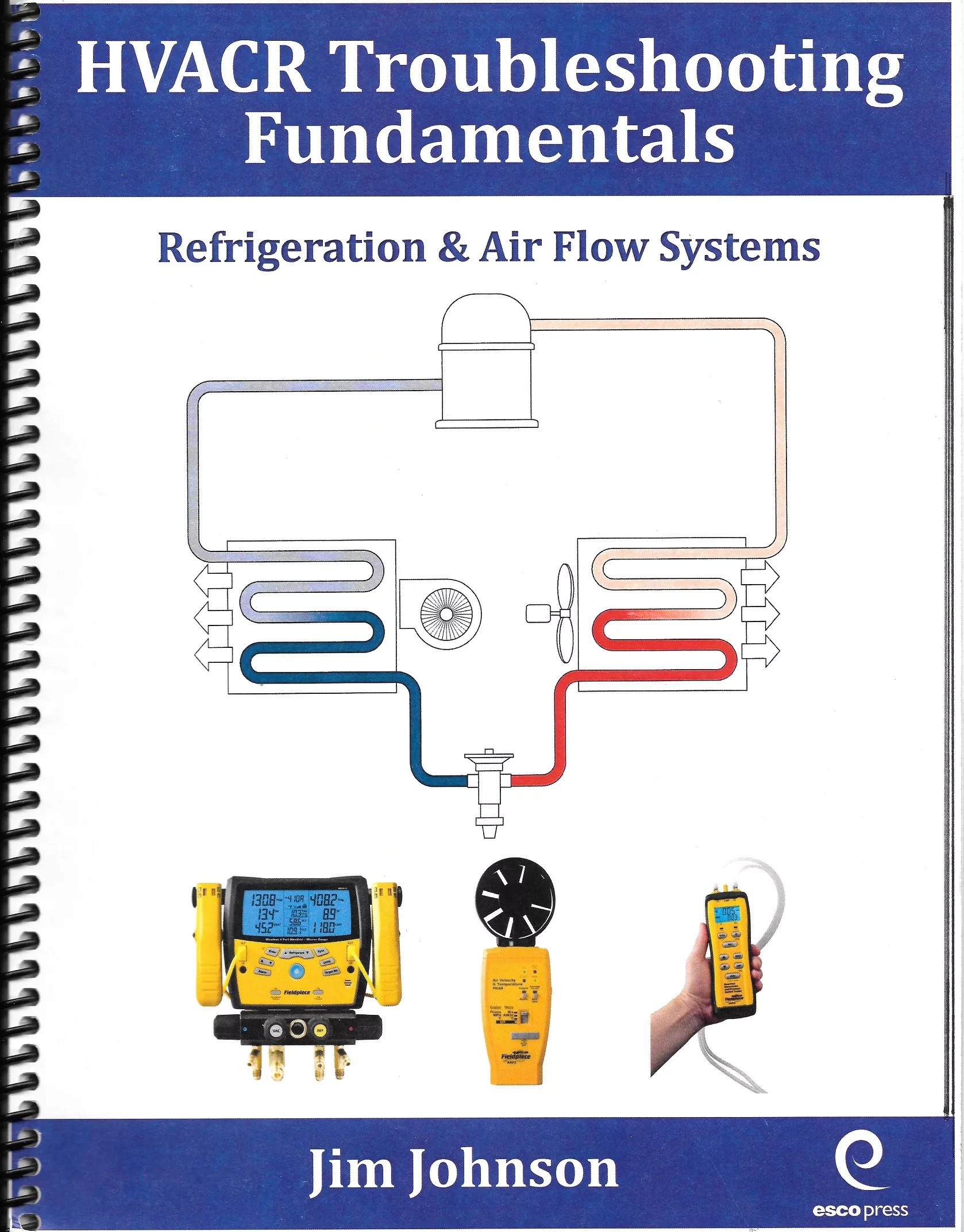
    HVACR Troubleshooting Fundamentals: Refrigeration and Air Flow Systems - Student Text

See More Products

Related Directories

  • Superior Signal Co. LLC

    Superior Signal AccuTrak® Ultrasonic Leak Detectors "hear" any gas or refrigerant leak, troubleshoot expansion valves in minutes! Superior® Smoke Generators unequaled for Leak/Air Flow Testing.
  • Refrigerant Services Inc.

    Replacement refrigerants.
  • Consolidated Refrigerant Solutions Inc.

    Complete cylinder management reclaim program delivers the industry's most comprehensive and profitable reclaim services. Onsite exchanges, high quality standards for field use recovery cylinders, effortless compliance through state-of-the-art Reclaim Data Management.
×

Sign Up. Stay Informed.

The #1 trusted source for the HVACR industry since 1926

SUBSCRIBE
  • RESOURCES
    • Advertise
    • Contact Us
    • Advisory Board
    • Classifieds
    • Submit a Letter
    • Directories
    • Store
  • ACCOUNT CENTER
    • Create an Account
    • Start a Subscription
    • Manage My Account
    • Sign Up for Newsletters
    • Visit Customer Service
    • Update Preferences
  • SERVICES
    • Marketing Services
    • Reprints
    • Market Research
    • List Rental
    • Survey/Respondent Access
  • STAY CONNECTED
    • LinkedIn
    • Facebook
    • Instagram
    • YouTube
    • X (Twitter)
  • PRIVACY
    • PRIVACY POLICY
    • TERMS & CONDITIONS
    • DO NOT SELL MY PERSONAL INFORMATION
    • PRIVACY REQUEST
    • ACCESSIBILITY

Copyright ©2026. All Rights Reserved BNP Media, Inc. and BNP Media II, LLC.

Design, CMS, Hosting & Web Development :: ePublishing