Modern heat pumps are engineered for extreme cold, yet misconceptions persist. Field data and proper system design are changing how contractors approach winter heating solutions.
Designed to produce innovative HVAC technology, this accomplishment helps provide customers with access to high-efficiency heat pumps in cold climates, improving performance and solving long-standing defrost limitations for greater comfort and reliability.
The increasing popularity of residential air-source heat pumps also means increasing room for installation errors. Experts from several manufacturers list some common mistakes and explain how to steer clear of them.
Eight manufacturers are putting what they learned during the Residential Cold Climate Heat Pump Technology Challenge into new heat pumps, and two companies already have new models on the market.
Two U.S. Department of Energy grants awarded to Copeland in 2024 further fuel the company’s ability to advance the research and manufacturing of cold-climate heat-pump technologies.
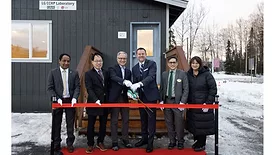
The new laboratories, in Anchorage and Fairbanks, Alaska, will research a variety of LG’s heat-pump solutions, including both ducted and ductless indoor and outdoor units.
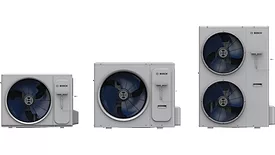
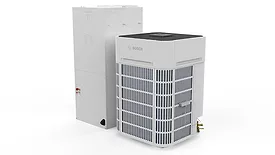
Bosch’s IDS Ultra can provide heat in temperatures as low as -13°F, and has a 100% heating capacity down to 5°F. It is also compliant with the new low-GWP A2L refrigerant requirements.
The first DOE challenge-designated cold-climate heat pumps are slated for production beginning this month at Carrier’s Collierville, Tennessee, factory.