Federal leak rules now reach smaller systems, while state requirements add complexity — allowing contractors to turn refrigerant management into a revenue-generating service offering.
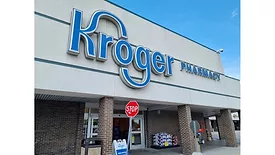
Kroger will spend $100 million to reduce refrigerant leaks and replace hundreds of systems under a proposed DOJ settlement over alleged Clean Air Act violations.
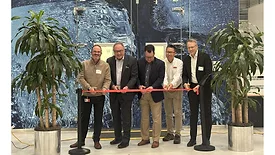
Since its opening in 2017, the ADC in Tallahassee has worked with customers to develop and test new HVAC/R products and solutions, with the ability to simulate a variety of environmental and operational conditions.
By proactively detecting and repairing leaks, operators can cut operating costs, extend equipment life, and stay ahead of both maintenance and compliance requirements.
Starting January 1, 2026, the EPA will lower the refrigerant charge threshold for leak monitoring and compliance. FMHero offers automated tracking, documentation, and leak monitoring to help companies meet these new requirements efficiently and stay compliant moving forward.
According to the lawsuit complaint, Brian Mierendorf, 37, was asked to service the refrigeration lines within a Kroger in Michigan. The lawsuit stated that during maintenance, a refrigeration line began spraying liquid refrigerant into the store.
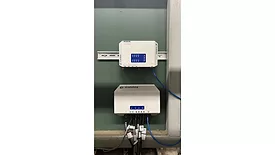
Starting in 2025, most new comfort cooling systems will use lower-GWP, mildly flammable refrigerants, which include a safety feature called the refrigerant detection system (RDS), which detects leaks and can be factory or field installed.
The Intertek certification verifies that the device meets the safety and performance requirements for refrigerant detection systems outlined in Annex LL of UL 60335-2-40:2022 Ed. 4 and CSA C22.2#60335-2-40:2022 Ed. 4.