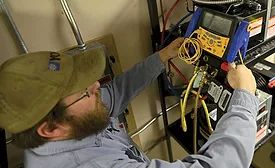
The IoT and communicating equipment is pushing the next level of diagnostics for HVACR technicians. Onboard and advanced diagnostics are becoming more commonplace as technicians continue to redefine their daily diagnostic and troubleshooting challenges.
The agreement brings together Optimum Energy’s creative technology with Belimo’s hardware innovation to make smart valves even smarter and more valuable with practical, energy-saving solutions.
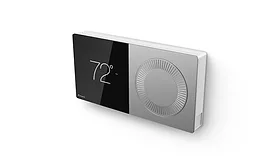
The Daikin One+ smart thermostat offers full two-way communications and serves as a cloud-connected hub and controller for sophisticated, communicating HVAC systems.
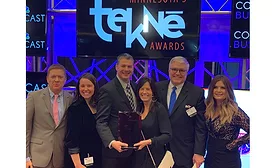
The trophy in the “building design and infrastructure” category honored Uponor for Phyn Plus, the innovative water monitoring and shutoff system launched in partnership with Belkin earlier last year.
Smart home services are in high demand. According to Statista, the smart home market is expected to grow 14.9 percent over the next four years to a market value of $34.6 billion in 2022.
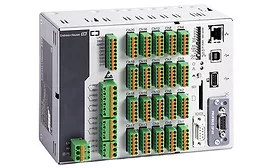
It is able to acquire data from up to 20 HART or universal analog input channels and 14 digital inputs, has two analog outputs and up to 12 relay outputs, and makes its data available to IoT systems and all major automation system architectures via multiple communication interfaces and protocols.
This special publication will help commercial contractors stay on top of all the important trends in the HVAC industry. In this publication, we will cover items like efficiency standards that are prompting rooftop innovations, how to minimize energy usage in data centers, and new HVAC markets like indoor cannabis cultivation.
According to a report from Mordor Intelligence, the global smart home market was valued at $35.7 billion in 2017, and it is expected to reach a value of $150.6 billion by 2023, growing at a compound annual growth rate of 26.9 percent during the forecast period.
Campus physical plants that have become internets of things — requiring cloud-based management, machine learning, and visualization tools — could serve as more than unseen controllers of the classroom environment. They could be the classroom.
According to a recent study by Parks Associates, 13 percent of U.S. broadband households owned a smart thermostat by the end of 2017. And while that’s still under a quarter of eligible homes, that number has nearly tripled from just three years prior, influenced by factors like the ubiquity of the smartphone and the rise of in-home AI.