FROSTlines
A2L Refrigerant Transition Raises New Compliance Questions
Contractors often ask the International Code Council about permitting and inspection issues
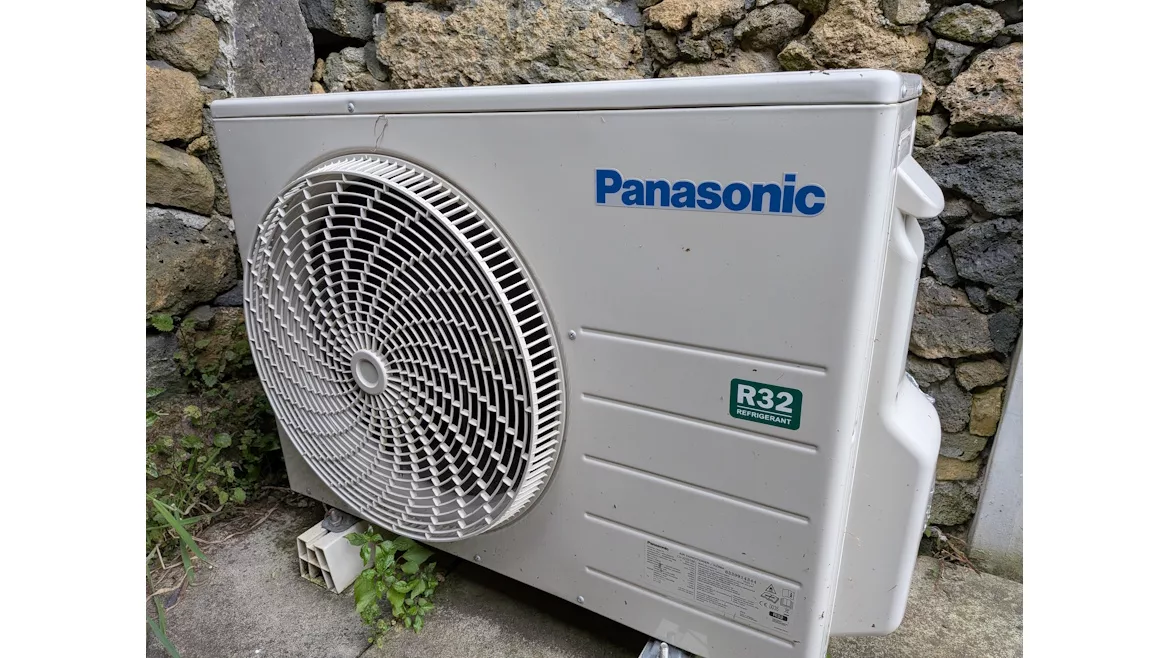
As the HVAC industry moves forward with the transition from HFC refrigerants to A2L refrigerants, many questions and concerns have come up. For contractors and technicians, many of these relate to the permitting process and inspection expectations. Rest assured, with all the questions and concerns that are out there, the transition to A2L refrigerants is now moving forward smoothly.
For contractors and technicians, the keys to a successful refrigerant transition include:
- Selecting HVAC equipment that is listed and labeled to the most current product safety standards;
- Understanding all state and local A2L refrigerant restrictions and the regulations for changing and mixing refrigerants;
- Following the HVAC equipment manufacturer’s installation instructions; and
- Ensuring proper labeling of equipment and piping systems.
Equipment Selection
Chapter 11 of the 2024 International Mechanical Code® (IMC®) regulates the design, installation, construction, and repair of refrigeration systems. It also references the appropriate standards to which factory-built equipment must comply and indicates the specific UL standards that apply to equipment that uses A2L refrigerants.
The code requires A2L equipment to comply with UL 484—2014, UL/CSA 60335-2-40—2022, or UL/CSA 60335-2-89—2021, as applicable. Building officials will verify that A2L equipment is listed and labeled to these latest standards during the permitting process and during all subsequent mechanical inspections performed during construction.
Refrigerant Issues
The IMC limits the quantities of refrigerants in systems because of the risk refrigerants present to building occupants. The maximum allowable quantities of refrigerants are based on the characteristics and risks associated with each individual refrigerant, the building occupancy classification, and the type of refrigeration system. The permissible quantities allowed by the code are based on ASHRAE 15, which establishes calculations for the maximum refrigerant charge in a system based on the building occupation, equipment, and the specific refrigerant used. There is no one-size-fits-all solution for systems using A2L refrigerants.
Calculations must be made for each installation and building type to determine code compliance. Since the calculations are also equipment and refrigerant-specific, the UL listing requires that detailed instructions for completing these calculations be included in the manufacturer's instruction manual. It is important that contractors and technicians use the manual specific to the equipment installed to ensure installation is code-compliant. Likewise, it is recommended that a copy of the manual be included with the documentation that is provided for the permitting process, as well as being present on site during all inspections so that building officials can verify code compliance.
The changing of refrigerant in an HVAC system has become a critical issue with the transition to A2L refrigerants. When changing or replacing refrigerants in an existing system to another refrigerant, the 2024 IMC requires contractors and technicians to notify the owner or their agent prior to any change of refrigerant. This gives them the opportunity to object to the changes prior to replacement. Additionally, the code provides three pathways for compliance in replacing a refrigerant:
Looking for quick answers on air conditioning, heating and refrigeration topics? Try Ask ACHR NEWS, our new smart AI search tool. Ask ACHR NEWS
- Following the instructions from the original equipment manufacturer;
- Utilizing an evaluation by a registered design professional or by an approved agency; and
- Approval by the code official.
These requirements address safety concerns related to changing refrigerants from one safety group to another, as well as changing from one refrigerant to another within the same safety group. Note that some HVAC equipment on the market can operate with either R-454B or R-32 refrigerant; however, many cannot. Additionally, it is not currently possible to convert HFC equipment to use A2L refrigerants, or vice versa.
The mixing of refrigerants in an HVAC system is another critical issue that has arisen with the transition to A2L refrigerants. Typically, refrigerants of different designations cannot be mixed in a system because the chemical combinations may have different and unpredictable or possibly hazardous properties.
The 2024 IMC allows mixing of refrigerants only when it is permitted by the equipment manufacturer and when the resulting mixture does not change the refrigerant safety group. Without following the manufacturer’s instructions, the mixing of refrigerants remains prohibited by the code.
Installation
Strict adherence to the equipment manufacturer’s installation manual, product listing, and federal regulations must be maintained for HVAC systems using A2L refrigerants. The IMC requires installation to comply with the equipment manufacturer’s installation manuals, product listing, and labeling. Building officials rely heavily on these documents to determine compliance with code. Ensure that the manufacturer’s installation manual remains on site at all times and that the equipment rating plates are readily accessible.
Labeling of refrigerant piping helps to prevent serious accidents where piping is damaged or opened by mistake. This has become more important with the transition to A2L refrigerants. The 2024 IMC requires additional markings for A2L refrigerants. The identification on refrigerant lines must include the statement: “WARNING — Risk of Fire. Flammable Refrigerant.”
In addition to these labeling requirements for piping, equipment manufacturers are required by the product listing to include warning labels on their equipment alerting contractors and technicians that the equipment, as well as the refrigerant piping, contains flammable refrigerant.
Although many U.S. jurisdictions have updated their building codes to the 2024 I-Codes, some have chosen just to amend their existing codes, nearly all have taken steps to allow the use of A2L refrigerants in residential and light commercial construction. As the industry adapts to the new code requirements for A2Ls, focusing on the four keys to success outlined in this article will help to ensure that the transition to A2L refrigerants goes as smoothly as possible for you.
Looking for a reprint of this article?
From high-res PDFs to custom plaques, order your copy today!
.webp?height=96&t=1731619580&width=96)