ACHR News
search
Ask ACHR NEWS AI
cart
facebook twitter instagram linkedin youtube
  • Sign In
  • Subscribe
  • Sign Out
  • My Account
ACHR News
  • NEWS
    • Breaking News
    • New HVAC Products
    • Featured Products
    • Manufacturer Reports
    • HVAC Data
    • Legislation
    • ACHR NEWS Centennial
  • RESIDENTIAL
    • Air Conditioners
    • Furnaces
    • Residential Heat Pumps
    • Ductless
    • Residential IAQ
    • Testing, Monitoring, Tools
    • Components & Accessories
  • COMMERCIAL
    • Air Handlers
    • Rooftop Units
    • Chillers and Cooling Towers
    • Commercial Heat Pumps
    • Boilers and Hydronics
    • VRF/Ductless
    • Commercial IAQ
  • REFRIGERATION
    • Refrigerants
    • Refrigerant Regulations
    • Leak Management
  • CONTRACTOR PRO
    • Geothermal
    • Homeowner Study
    • VRF and VRV Ductless
    • Unitary Trends
  • EDUCATION
    • Training and Education
    • Business Management
    • Service and Maintenance
    • Continuing Education
    • Market Research >
      • HVAC Brand Awareness Report
      • VRV, VRF, VRVZ Report
      • Unitary Trends Report
      • Water Heat Professionals Report
    • Webinars
    • Sponsor Insights
    • eProducts Info
    • White Papers
  • EVENTS
    • HVAC Contractor Forum
    • Industry Events and Webinars
  • MEDIA
    • Videos
    • AHR Expo 2025 Videos
    • Podcasts >
      • ACHR News Podcast
      • HARDI Podcasts
      • AHR Expo Podcasts
      • ACCA Podcasts
    • Interactive Spotlights
    • Quizzes
    • eBooks
    • HVAC Talkback
  • HVAC GROUP
    • ACHR NEWS >
      • Current Issue
      • Digital Edition
      • Subscribe
    • Distribution Trends
    • SNIPS NEWS >
      • Join SNIPS NEWS
    • Engineered Systems News >
      • Join ES News
    • HVACR Directory
    • Contests
    • Newsletters
    • Contact
    • Advertise
    • My Account
HVAC ContractingNewsHVAC Commercial MarketGuest ColumnCompressors

Guest Column

The Role of Non-Toxic Maintenance Chemicals in Food Service & Refrigeration Environments

Why chemical choice matters in food-adjacent HVACR applications
By Mike Pastorello
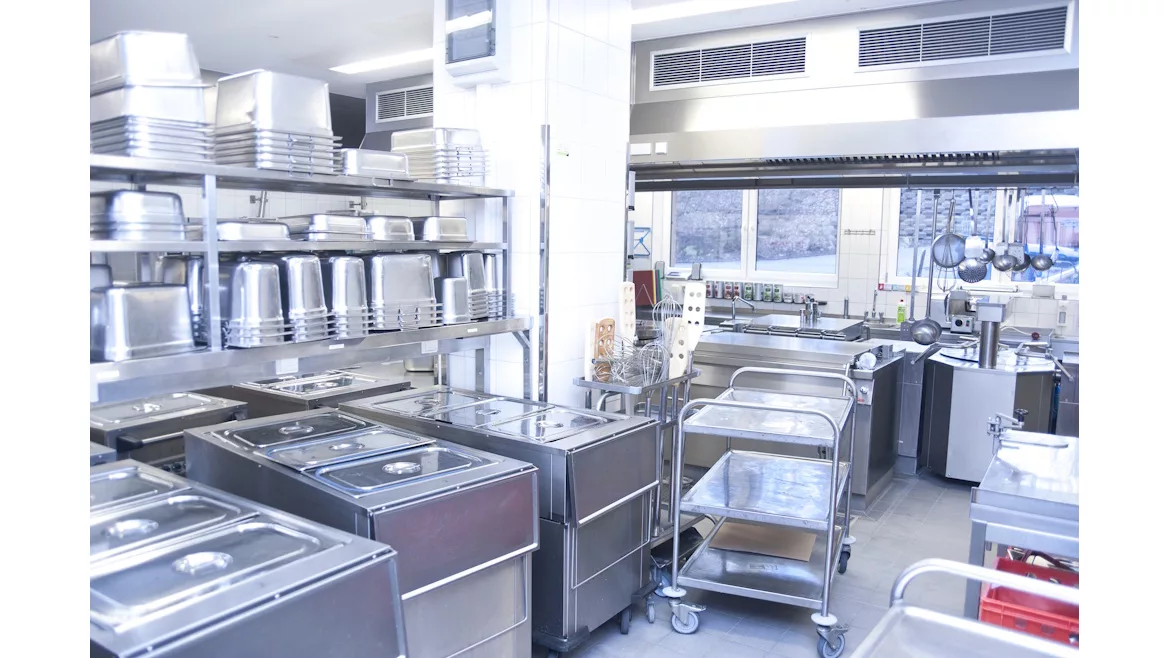
kitchen-hvac.jpg
Courtesy of Wakila / iStock / Getty Images Plus

CHALLENGES: In a commercial kitchen, HVAC equipment must operate reliably while meeting strict hygiene and safety requirements

May 9, 2026

In food service and commercial refrigeration environments, maintenance work doesn’t happen in a vacuum. Technicians are often servicing equipment that directly impacts food safety, sanitation compliance, and customer trust. That reality places a higher standard on the chemicals used during HVACR and refrigeration maintenance — not just how well they work, but how appropriate they are for the environment. 

As regulations tighten and facility managers become more informed, non-toxic HVACR chemicals are increasingly viewed not as a “nice to have,” but as a best practice for technicians working in restaurants, grocery stores, institutional kitchens, and food processing facilities. Understanding the role these products play and where they matter most helps experienced HVACR professionals make informed decisions that protect equipment, operations, and the spaces they service. 


Why Chemical Choice Matters in Food-Adjacent HVACR Applications 

Commercial kitchens and food storage areas present unique challenges. Equipment must operate reliably while meeting strict hygiene and safety requirements. Maintenance chemicals used in these environments can easily come into contact with food surfaces, packaging, or air pathways if not properly selected. 

This is where non-toxic refrigeration maintenance chemicals play a critical role. Unlike conventional formulations that may contain harsh solvents or corrosive agents, non-toxic alternatives are designed to perform effectively while minimizing risk in sensitive spaces. 

For HVACR professionals, this means: 

  • Reduced concern about chemical residue near food 
  • Greater alignment with facility safety protocols 
  • Fewer operational disruptions tied to chemical use 

In short, the chemistry behind the product matters just as much as the result. 


The Importance of Food-Safe Certifications 

When evaluating non-toxic HVACR chemicals for food service environments, certifications matter. Labels such as NSF registration and Kosher certification provide third-party validation that a product is appropriate for use in food-adjacent settings. 

Looking for quick answers on air conditioning, heating and refrigeration topics? Try Ask ACHR NEWS, our new smart AI search tool. Ask ACHR NEWS →

NSF-registered products are evaluated for safety when used in or around food equipment, while Kosher certification ensures ingredients and manufacturing processes meet strict standards of cleanliness and compliance. For technicians working in regulated environments, these certifications simplify decision-making and help maintain alignment with facility requirements. 

Using NSF-registered, Kosher-certified refrigeration maintenance chemicals supports compliance without adding complexity to service workflows. 


Coil Cleaning Without Compromise 

Coil cleaning is a routine yet critical task in refrigeration and food service environments. Dirty evaporator and condenser coils reduce efficiency, increase energy consumption, and strain system performance. However, aggressive cleaners can introduce unnecessary risk when used around food prep areas or storage spaces. 

Non-toxic coil cleaners offer a balanced solution: effective cleaning performance without introducing harsh or corrosive residues. 

Technicians should look for coil cleaners that are: 

  • Non-toxic and non-corrosive 
  • NSF certified/registered for use around food 
  • Kosher certified 

For experienced HVACR professionals, this means being able to clean coils thoroughly while maintaining confidence that the chemical choice aligns with food safety expectations. 


Leak Detection in Food Service Settings 

Leak detection is another essential diagnostic step in refrigeration maintenance, especially in systems serving walk-in coolers, freezers, and food storage areas. Traditional leak detection solutions may introduce concerns when used in food environments due to chemical composition or residue. 

Non-toxic leak detection products help mitigate those concerns without sacrificing visibility or reliability. The best non-toxic leak detection solutions are designed to work across a range of temperatures and refrigeration applications. These solutions are:  

Using a non-toxic diagnostic chemical ensures technicians can identify leaks efficiently while maintaining compliance with food safety standards. 


Preventive Maintenance That Supports System Integrity 

Preventive maintenance plays a critical role in refrigeration reliability, especially in food service environments where downtime can impact operations. Sealants and thread compounds are often overlooked in discussions about chemical safety, yet they are regularly applied during service and installation. 

Non-toxic sealants designed specifically for refrigeration systems help maintain system integrity without introducing incompatible or unsafe materials. Incorporating non-toxic sealants into routine maintenance supports reliability while aligning with the operational requirements of food service environments. 


Supporting Operational Standards Without Slowing Down Service 

One misconception around non-toxic HVACR chemicals is that they may require additional steps or compromises in performance. In practice, properly formulated non-toxic products are designed to integrate seamlessly into existing workflows. 

For seasoned HVACR professionals, this means: 

  • No added complexity during service calls 
  • Confidence when working near food and prep areas 
  • Consistent performance across cleaning, diagnostics, and preventative maintenance tasks 

Non-toxic refrigeration maintenance chemicals are not about changing how technicians work — they’re about supporting where they work. 


Raising the Standard in Food Service & Refrigeration Maintenance 

As food service environments become more regulated and more transparent, chemical selection has become part of professional accountability. Technicians who prioritize non-toxic HVACR chemicals demonstrate a commitment to best practices that go beyond system performance alone. 

From coil cleaning and leak detection to sealing and preventative maintenance, using non-toxic, food-safe products helps ensure: 

  • Compliance with facility standards 
  • Confidence in sensitive environments 
  • Professional credibility with customers and operators 

For HVACR professionals working in food service and refrigeration environments, non-toxic maintenance chemicals play an essential role in supporting performance, safety, and trust where it matters most. 


KEYWORDS: Commercial HVAC Contractor commercial HVAC systems kitchen ventilation

Share This Story

Looking for a reprint of this article?
From high-res PDFs to custom plaques, order your copy today!


Mike pastorello

Mike Pastorello is president and CEO of Refrigeration Technologies and has extensive experience working with HVAC/R technicians and service professionals. A Master Automotive Technician by trade, he has spent much of his career focused on mechanical systems, maintenance practices and the role of specialty chemicals in HVAC/R system performance.  

Recommended Content

JOIN TODAY
To unlock your recommendations.

Already have an account? Sign In

  • HVAC-enrollment

    The Trades Are Back: HVACR Programs See Nearly 30% Enrollment Spike

    A new wave of future technicians is entering the pipeline.  
    Training and Education
    By: Matt Jachman
  • 2025 Top 40 Under 40

    2025 Top 40 Under 40 HVACR Professionals List

    The 11th annual Top 40 Under 40 list highlights those...
    HVAC Contracting
    By: Hannah Belloli-Oster
  • LG Ductless Mini-Split Systems

    The 9 Types of Heat Pumps

    As the U.S. moves toward electrification, heat pumps are...
    News
    By: Joanna R. Turpin
Subscription Center
  • Create an Account
  • Start a Subscription
  • Manage My Account
  • Sign Up for Newsletters
  • Visit Customer Service
  • Update Preferences

More Videos

Sponsored Content

Sponsored Content is a special paid section where industry companies provide high quality, objective, non-commercial content around topics of interest to The News audience. All Sponsored Content is supplied by the advertising company and any opinions expressed in this article are those of the author and not necessarily reflect the views of The News or its parent company, BNP Media. Interested in participating in our Sponsored Content section? Contact your local rep!

close
  • Piggy Bank
    Sponsored byWatercress Financial

    Energy Prices, Inflation, and HVAC: What Today’s Homeowners Care About

  • Refrigerated Food
    Sponsored bySolstice Advanced Materials

    R-455A Refrigeration: A Cold Storage Solution for the Future

  • Airex Rooftop Units
    Sponsored byAirex Manufacturing Inc

    Consolidating Roof Penetrations: A Growing Trend in Multifamily HVAC Design

Popular Stories

Refrigerants-and-gauge.jpg

HVAC Industry Warns of Counterfeit Refrigerants Entering U.S. Supply Chain

U.S. Supreme Court building

95% Furnace Efficiency Rule to Get New Hearing

Midea-training.jpg

HVAC Workforce Crisis Expands Beyond Technicians to Instructor Shortages

Data_Center_facility.jpg

HVAC Manufacturers Respond to Growing Data Center Backlash

HVAC Minute retail refrigeration system

EPA Final Rule’s Impact on R-410A Deadlines

View The ACHR NEWS
Centennial Anniversary Timeline

The ACHR News Timeline Chart
Submit a Letter
Submit a letter to our editors.

Events

November 6, 2025

Next-Gen Data Center Cooling: HVAC Innovation and Real-World Solutions

On Demand As AI workloads and high-density computing push traditional cooling methods to their limits, the data center industry is accelerating the adoption of next-generation HVAC technologies.

June 23, 2026

HVAC Duct Sealing Mastics: Why Selection Matters

In this webinar we will detail what HVAC material buyers and technicians need to know when selecting duct mastics, including matching mastic to substrate, alternatives to liquid mastic, and where UL 181 Listings fit into real world installations.

View All Submit An Event

Poll

Summer Staff

Are you fully staffed for the summer season?
View Results Poll Archive

Products

BNI Mechanical/Electrical Square Foot Costbook, 2026 Edition

BNI Mechanical/Electrical Square Foot Costbook, 2026 Edition

See More Products
HVAC Duct Sealing Mastics: Why Selection Matters - Free Webinar - 6/23/2026

Related Articles

  • The Role of Advanced Diagnostics in HVAC Maintenance

    See More
  • The Role of the Suction Line Accumulator

    See More
  • Tech Basics: The Role Of Economizers In Rooftop Equipment

    See More

Related Products

See More Products
  • Tech_CommRef_Guide_Small.jpg

    Technician’s Guide & Workbook for Quality Maintenance on Commercial Refrigeration Equipment

  • HVACR-Troubleshooting-Fundamentals-Cover-Image-One-Sheet.jpg

    HVACR Troubleshooting Fundamentals - Refrigeration & Air Flow Systems Training Package for Instructors & Service Managers

  • HVAC and Refrigeration Preventive Maintenance.jpeg

    HVAC and Refrigeration Preventive Maintenance

See More Products

Events

View AllSubmit An Event
  • May 21, 2026

    The A2L Genie is Out of the Refrigerant Canister – What Now?

    On Demand Join this webinar to learn about key updates to refrigerant regulations. We will cover practical installation and servicing content gathered from thousands of our interactions with contractors across the US and Canada.
View AllSubmit An Event

Related Directories

  • Blueair Food Service Equipment LLC

    Blueair Food Service Equipment LLC- Purveyors of self-contained refrigeration and ice machines. Reach ins, ice machines, sandwich prep tables, merchandisers, back bar equipment, etc.
  • RSES - Refrigeration Service Engineers Society

    RSES--a non-profit organization founded in 1933 with Chapters in the U.S. and Canada--is the world's leading training and certification association for HVACR professionals.
  • Critical Environment Technologies

    Leader in the design, manufacture and service of fixed gas detection equipment for the HVACR industry and other commercial markets worldwide.
×

Sign Up. Stay Informed.

The #1 trusted source for the HVACR industry since 1926

SUBSCRIBE
  • RESOURCES
    • Advertise
    • Contact Us
    • Advisory Board
    • Classifieds
    • Submit a Letter
    • Directories
    • Store
  • ACCOUNT CENTER
    • Create an Account
    • Start a Subscription
    • Manage My Account
    • Sign Up for Newsletters
    • Visit Customer Service
    • Update Preferences
  • SERVICES
    • Marketing Services
    • Reprints
    • Market Research
    • List Rental
    • Survey/Respondent Access
  • STAY CONNECTED
    • LinkedIn
    • Facebook
    • Instagram
    • YouTube
    • X (Twitter)
  • PRIVACY
    • PRIVACY POLICY
    • TERMS & CONDITIONS
    • DO NOT SELL MY PERSONAL INFORMATION
    • PRIVACY REQUEST
    • ACCESSIBILITY

Copyright ©2026. All Rights Reserved BNP Media, Inc. and BNP Media II, LLC.

Design, CMS, Hosting & Web Development :: ePublishing