Serving 'Snowbirds': HVAC Strategies for Vacant Homes
In Southwest Florida, vacant-home HVAC prep has become a valuable shoulder-season service.
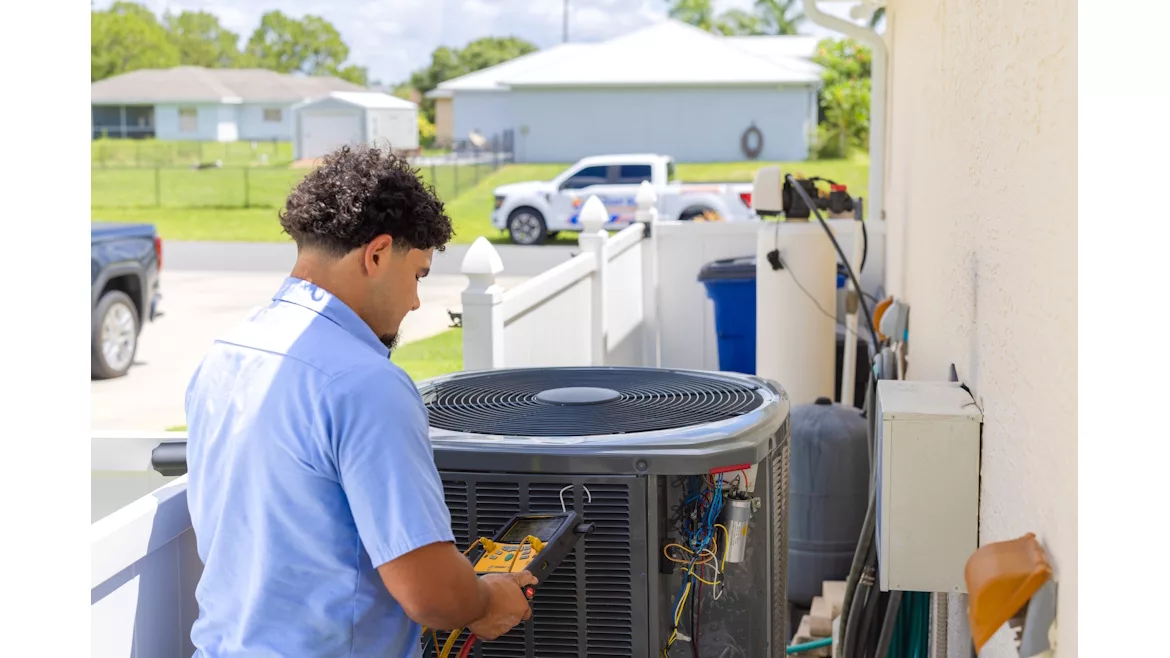
IN MY ABSENCE: Contractors can help seasonal residents avoid preventable problems while they’re away.
One of the best clientele in the state of Florida is one that’s not actually in the state of Florida.
Snowbirds, or seasonal residents, typically abandon the Sunshine State during the muggy summer season, but in order to protect their investment, their properties can’t just sit empty and endure the elevated moisture levels while they’re back up north for upwards of six months.
To combat that, HVAC systems still need to run. Prepping the homes and HVAC systems for months of inactivity, during which time severe storms and hurricanes are certainly a possibility, is a great way to stay busy during shoulder seasons.
ACHR NEWS reached out to Jason Schreyer, president of Sunset Air and Home Services in Southwest Florida, to learn more about how to capture this unique share of the market.
ACHR NEWS: What are some common problems/failures that result from a home that sits empty for months at a time? Do you see a rush of service calls when snowbirds return in the fall?
Schreyer: When a home sits closed up through a Southwest Florida summer, the HVAC system continues to take a beating even if no one is there. Heat and humidity don’t take time off. What we routinely see when snowbirds return are clogged filters from months of dust and moisture, blocked outdoor units from shrubs or storm debris, and drain lines that have backed up because mulch or soil shifted while the home sat empty. Those issues all make the system work harder than it should.
We do see an uptick in business when snowbirds return. Maintenance checks and evaluations are extremely important. We try to run specials and get articles published with tips for folks before they leave and when they get back for the season. It’s definitely something people need to be aware of if they’re splitting their time between two locations like we see so often here.
Looking for quick answers on air conditioning, heating and refrigeration topics? Try Ask ACHR NEWS, our new smart AI search tool. Ask ACHR NEWS
ACHR NEWS: Is this a service that you have people inquiring about, or is it something you suggest? How much business does it generate?
Schreyer: It’s both. Homeowners do ask, and we also strongly recommend it. But importantly, it’s required by the manufacturer in their terms and conditions to have the system checked yearly by a licensed HVAC contractor in order to keep the warranty valid.
We make sure there’s information on our website that lays out what needs to be done to protect a system before leaving and after returning. We do see the same preventable issues year after year.
As for volume, we don’t break out revenue by service category publicly, but it’s fair to say seasonal prep is an important part of our fall workload.
ACHR NEWS: What exactly is included in your “vacant home HVAC prep” service? Is this a one-time visit, or more of a seasonal maintenance plan? Do you follow up after they’ve left?
Schreyer: We don’t sell a package labeled “vacant home HVAC prep,” but the core elements are well‑defined in our snowbird checklist and maintenance procedures.
Here’s what we typically address:
- Replace the AC filter to restore proper airflow.
- Check thermostat batteries so the system can operate reliably.
- Clear the outdoor condenser of shrubs, branches, and debris.
- Verify the drain line is clear and flowing, which is crucial in humid months.
- Perform our 30‑point tune‑up through a maintenance plan.
This isn’t a one‑and‑done service; it’s seasonal. We want customers to prepare their system before they leave and again when they return. There’s no formal follow‑up program once an owner heads north, but the combination of prep work, maintenance, and smart home tools helps bridge that gap.
ACHR NEWS: What HVAC adjustments or system checks are most important when preparing a home to sit empty for months in Southwest Florida? How do hurricanes change this equation?
Schreyer: The essentials are straightforward: clean filters, clear outdoor equipment, correct thermostat settings, and a free‑flowing drain line. Those four areas prevent the majority of problems we see in vacant homes.
Hurricanes add a completely different layer of urgency. For full-time residents, we have a special “Pre‑Storm AC Inspection,” which evaluates anchor points, verifies proper elevation of outdoor units in flood‑prone areas, documents the entire system condition, and ensures homeowners know what would happen if they need to operate on generator power. It’s a proactive step that prevents expensive post‑storm surprises.
For part-time, seasonal residents, they should definitely think about those things before leaving town for the summer.
ACHR NEWS: How do you price this type of service — flat fee, bundled with maintenance agreements, or part of a premium plan?
Schreyer: We offer a variety of services and maintenance plans, all designed to fit the needs of the homeowner.
ACHR NEWS: How do you communicate with remote homeowners if an issue arises while the home is vacant?
Schreyer: We encourage seasonal residents to install smart devices, like thermostats, that will help them monitor their homes remotely.
ACHR NEWS: What tools, technologies, or processes have been most important in making this service profitable?
Schreyer: We’ve invested heavily in tools that make remote care and long‑term reliability possible:
- Smart thermostats for real‑time remote oversight.
- UV lights to limit microbial growth while the system sits idle.
- Wi-Fi water leak detectors to catch drainage problems early.
- Whole‑house surge protection, which is essential in storm‑prone areas like Southwest Florida.
- Thorough inspection processes, which document risks before they turn into expensive repairs.
Looking for a reprint of this article?
From high-res PDFs to custom plaques, order your copy today!