DOL Issues Proposed Rule for Independent Contractor Classification
Proposed rule calls for two-factor “economic reality” test
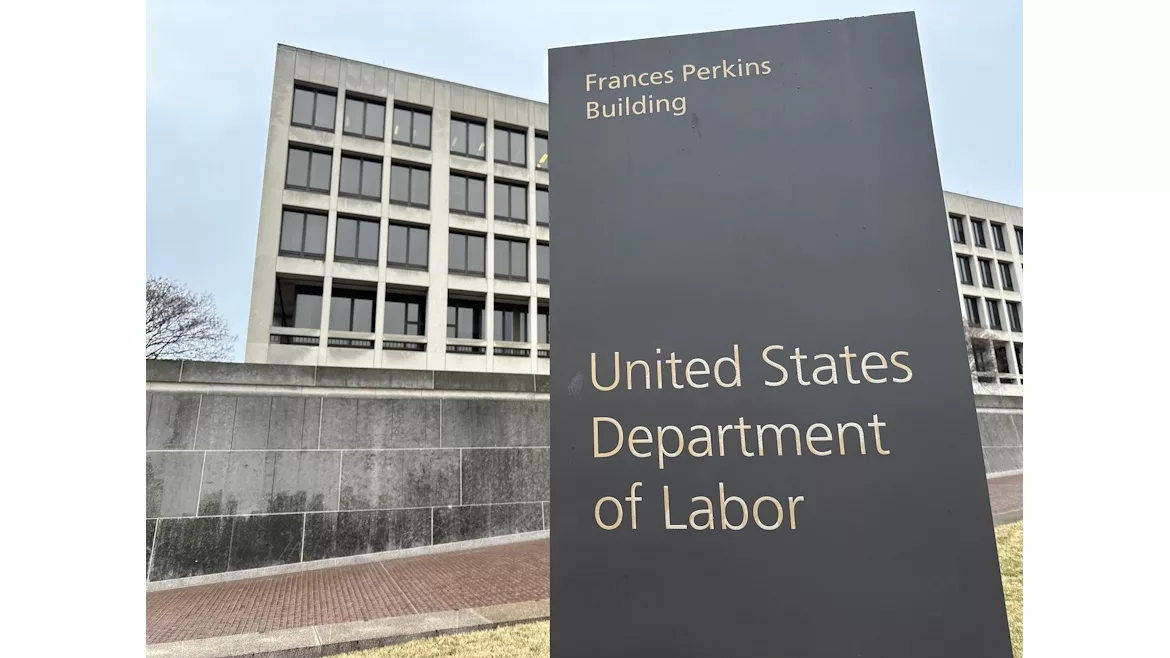
INDEPENDENT CONTRACTORS: The DOL’s proposed rule would apply an “economic reality” test that uses two factors to determine if a worker is an employee or independent contractor.
HVAC contractors may have an easier time determining when a worker is an employee or independent contractor as the Trump administration rescinds a final rule.
The proposed rule would rescind the Department of Labor’s 2024 final rule, put in place by the Biden administration, that addresses the classification of independent contractors. This rule, which uses six factors, would be replaced with a two-factor analysis for employee classification like the one adopted by the DOL in 2021.
“The department believes that streamlined regulations in line with Congress’s intent when it passed the Fair Labor Standards Act would improve compliance, reduce misclassification, and reduce costly litigation in an economic environment that needs flexibility and innovation,” said Wage and Hour Division Administrator Andrew Rogers in a written statement.
Open for public comment through April 28, 2026, the proposed rule would apply an “economic reality” test to determine if a worker qualifies for protections under the Fair Labor Standards Act as an employee, or if they are operating as an independent contractor in business for themselves.
The two factors for the economic reality test are:
- The degree and nature of control over work — how much control a worker has over their work, such as when, how, and where it’s performed.
- Opportunity for profit or loss — based on their own initiative and financial investment, can the worker earn more or incur losses?
Other factors include the permanence of the work relationship, the skill required for the work, and whether the work is integral to your business.
“For contractors, this likely creates a more workable federal standard for legitimate independent contractor relationships,” said Trent Cotney, partner at Adams & Reese LLP. “At the same time, the DOL makes clear that actual working conditions, not contract labels, will control the analysis.”
Looking for quick answers on air conditioning, heating and refrigeration topics? Try Ask ACHR NEWS, our new smart AI search tool. Ask ACHR NEWS
According to the Air Conditioning Contractors of America Association’s website, contractors should audit their contractor relationships through the proposed two-factor framework in preparation for the change. Maintain written records explaining your classification decisions. Involving legal, finance, and tax experts ahead of time is also recommended.
ACCA also reminds contractors that some states have stricter classification tests, and those will not change under the new rule.
The Associated Builders and Contractors supports the proposed rule. Kristen Swearingen, vice president of government affairs, said the proposed rule simplifies and clarifies the decision-making process, and described the 2024 rule as “an ambiguous and difficult-to-interpret standard for determining independent contractor status.”
ABC, its Southeast Texas chapter, the Coalition for Workforce Innovation, and five other organizations are challenging the 2024 final rule in federal court, which is currently pending.
“Instead of promoting much-needed economic growth and protecting legitimate independent contractors, the 2024 final rule results in more confusion and expensive, time-consuming, unnecessary, and often frivolous litigation, as both employers and workers will not understand who qualifies as an independent contractor,” said Swearingen.
If a worker is reclassified as an employee, contractors may need to provide up to 12 weeks of unpaid, job-protected leave and track their eligibility. It also increases overtime exposure and benefits eligibility.
There were roughly 11.9 million independent contractors in the United States in 2023, according to the DOL. With the proposed rule, that number is expected to grow.
FMLA Changes
The proposed rule would also apply the department’s streamlined analysis to the Family and Medical Leave Act and the Migrant and Seasonal Agricultural Worker Protection Act, both of which use the FLSA’s statutory definition of “employ.”
This means there is less flexibility. By using a single standard across these laws, workers can’t be classified differently under a different act. It means that if a worker is classified as an employee, they are likely an employee under the FMLA as well.
“The expansion of this standard to the FMLA and MSPA increases the stakes, as misclassification could now affect leave eligibility and other compliance obligations beyond wage and hour exposure,” Cotney said. “Importantly, the rule remains proposed and would not preempt stricter state laws, so contractors should continue evaluating classification under both federal and applicable state standards.”
Looking for a reprint of this article?
From high-res PDFs to custom plaques, order your copy today!