DOJ Sues California Cities Over Natural Gas Bans
Decision could shape how states regulate energy sources

BANS OFF MY GAS: A lawsuit from the Department of Justice is cracking down on local ordinances in California that effectively ban natural gas for new construction.
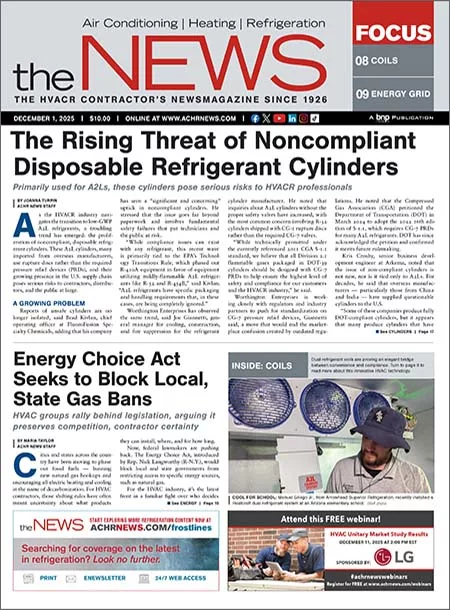
The Trump administration is suing two California cities concerning ordinances that effectively ban natural gas piping and appliances, setting the stage for future state regulation battles.
On Jan. 5, the U.S. Department of Justice filed a lawsuit against the cities of Petaluma and Morgan Hill, calling their ordinances prohibiting the installation of natural gas in newly constructed buildings unlawful and harmful. City officials say they are following federal laws and view the lawsuit as unnecessary.
Whatever way the decision goes, it is bound to impact state regulations against natural gas and other fossil fuels, in turn affecting what the HVAC industry can offer its customers.
Natural Gas Bans
In 2019, Morgan Hill effectively banned natural gas infrastructure in newly constructed buildings by adopting all-electric building rules. In 2021, Petaluma followed suit. The efforts were made to transition building utilities away from fossil fuels while reducing greenhouse gas emissions.
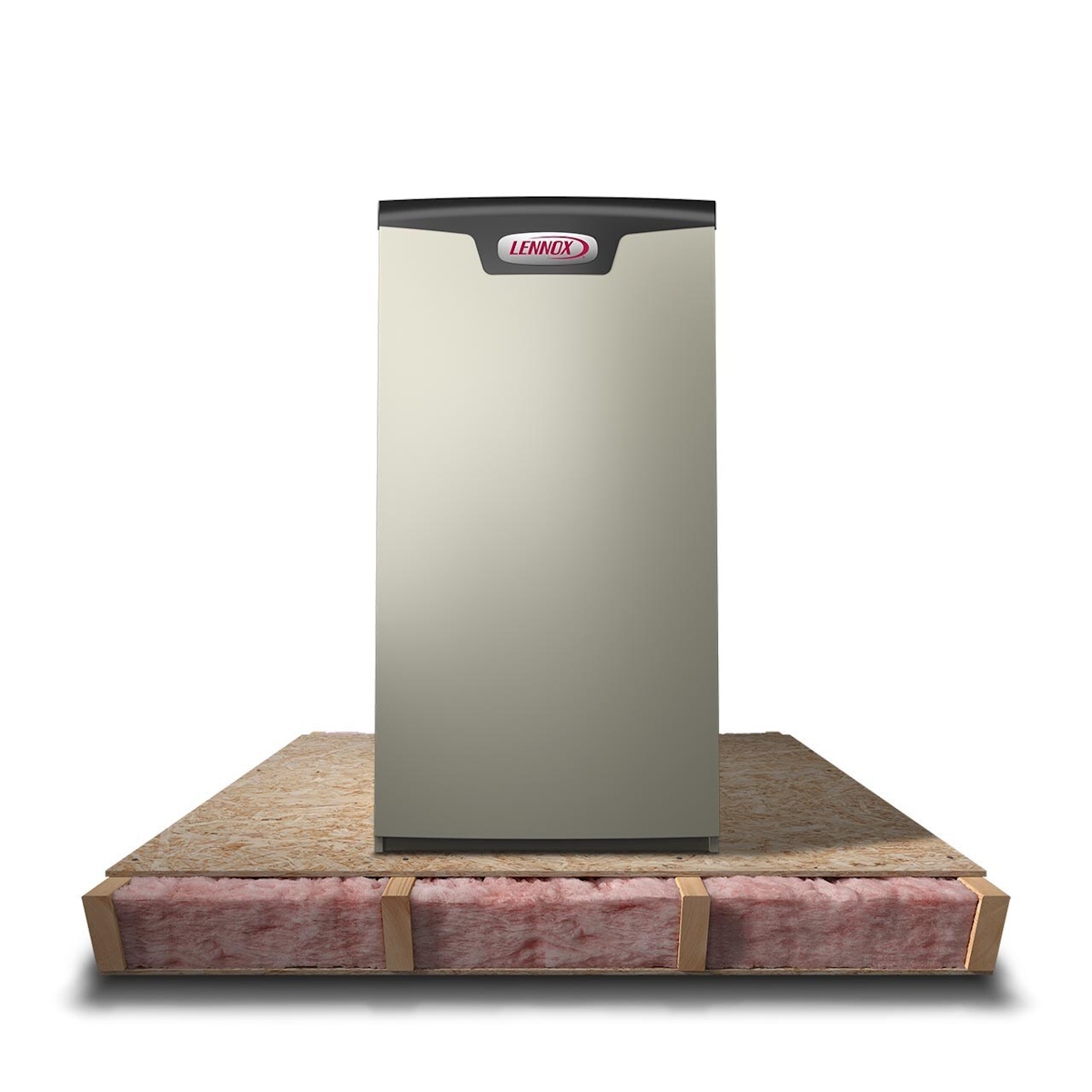
EFFICIENT FURNACES: The Dave Lennox Signature Collection SLP99VK Gas Furnace features an integrated Refrigerant Detection System and delivers up to 99% efficiency. (Courtesy of Lennox)
As a result, the ordinances limit or prohibit the installation of natural gas piping and appliances like gas furnaces and water heaters in most new construction projects.
The DOJ asserts in its lawsuit that the ordinances are invalid since they are preempted by the Energy Policy and Conservation Act, which established national energy conservation and efficiency standards. Its preemption clause prevents state or local laws related to energy use from being enacted unless they fall within certain parameters.
The lawsuit is among the latest efforts from the administration to enact President Donald Trump’s executive orders related to energy regulation: “Unleashing American Energy” and “Protecting American Energy from State Overreach.” The former states all regulatory requirements related to energy are “grounded in clearly applicable law,” while the latter aims to combat what it calls “burdensome and ideologically motivated ‘climate change’ or energy policies” at the state level.
Looking for quick answers on air conditioning, heating and refrigeration topics? Try Ask ACHR NEWS, our new smart AI search tool. Ask ACHR NEWS
What the Federal Government is Saying
The department characterizes the cities’ ordinances as natural gas bans that aim to outlaw federally regulated gas furnaces, stoves, water heaters, dryers, and other appliances.
“These natural gas bans hurt American families and are outright illegal,” said Attorney General Pamela Bondi in a written statement.
According to the lawsuit, the bans disrupt the Department of Energy’s implementation of the EPCA and create a patchwork of inconsistent regulation.
“There is no set of circumstances under which Morgan Hill’s and Petaluma’s natural gas ban would be valid under federal law. The bans’ limited exceptions do not save them from preemption,” the lawsuit said.
The lawsuit also claims the ordinances impose “financial harm on the United States and taxpayers” by increasing costs. It points out that the EPCA’s standards ensure manufacturers can market and sell products that conform to national regulations while also conserving consumer choice.
The DOJ’s argument is built on the California Restaurant Association v. City of Berkeley case. In 2025, the Ninth Circuit determined that “completely prohibiting the installation of natural gas piping within newly constructed buildings” was preempted by Congress in the EPCA.
What California Officials are Saying
In Morgan City, City Attorney Donald Larkin said that it follows federal law and will continue to do so.
“The city has not denied any permits for gas infrastructure based on the 2019 ordinance since the courts struck down Berkeley’s similar ordinance,” he said in an email. “In fact, the city has approved projects with gas infrastructure.”
He said the city is still reviewing the complaint, but added it appears to be “an unnecessary effort to require the city to follow laws with which the city is already in compliance.”
According to reporting from the Los Angeles Times, Petaluma officials said they have not denied any projects or permit applications based on its electrification regulations. They further said that developers generally volunteer to install electric updates.
The Impact on HVAC
The litigation could have far-reaching implications for policymakers as well as HVAC businesses and could influence how states manage climate goals.
State governments nationwide are adopting laws that aim to reduce or eliminate fossil fuel usage in favor of electrification. Should the case go in favor of the DOJ, other states may shy away from creating or enforcing similar laws.
Multiple legal battles are underway in New York regarding electrification through prohibitions on gas infrastructure in new construction. Meanwhile, in Washington, the Supreme Court is determining the fate of a voter-approved initiative to maintain access to natural gas. All these cases address localities that are potentially violating the EPCA.
Legal analysts anticipate the case will favor the DOJ, given the precedent set by the Ninth Circuit decision in Berkeley.
“If electrification is the goal of the locality, then that jurisdiction should find a way to make that electrical product the clear and best choice for the consumer,” said Todd Titus, director of state and public affairs for HARDI. “Whether that be through incentives, improved affordability, or other bureaucratic improvements.”
A hearing for the case has been scheduled for late April.
On the national level, the American Gas Association, American Public Gas Association, and the National Propane Gas Association have petitioned the U.S. Supreme Court to review a lower court’s decision made last November. That ruling upholds the Department of Energy’s 95% efficiency rule for residential gas furnaces and related standards for commercial water heaters.
“Under this furnace rule, families will be told they must spend extra money to retrofit their home or switch to electricity and pay higher monthly energy bills,” said American Gas Association President and CEO Karen Harbert in a written statement.
Looking for a reprint of this article?
From high-res PDFs to custom plaques, order your copy today!