Guest Column
What Are the Best Practices for Training Teams on AI Readiness in HVAC?
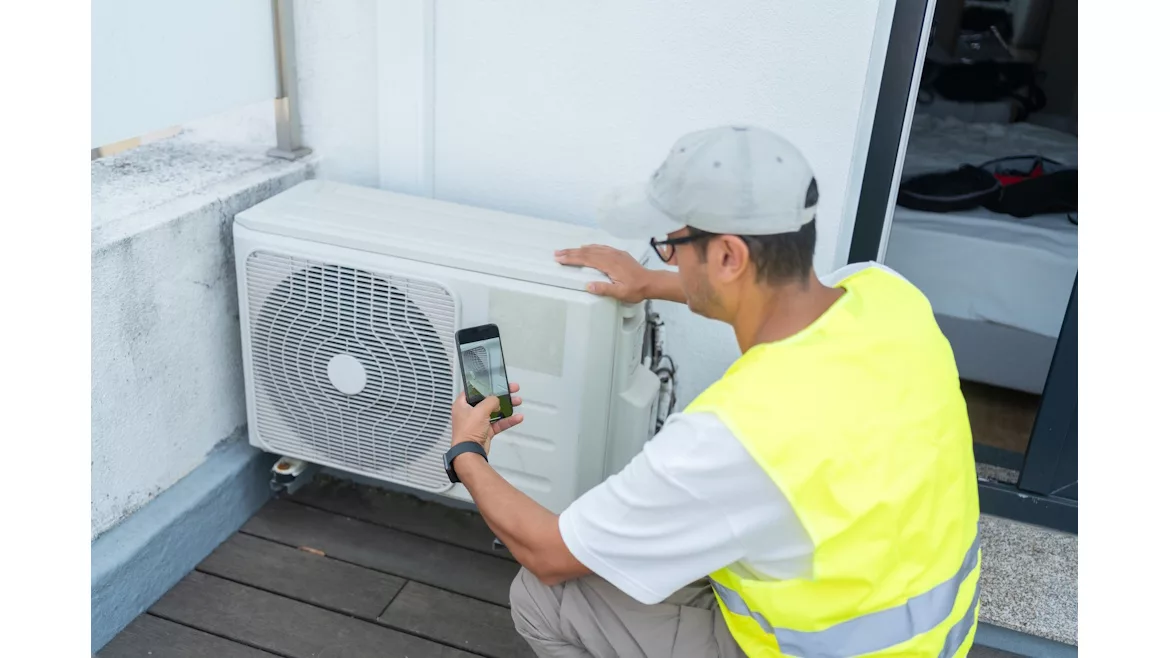
MORE THAN A ROLLOUT: Introducing AI needs to be accompanied by a culture shift.
When owners ask me what AI means for their business, I usually start with this: AI won’t change your company — your people will.
Artificial intelligence is just the next wave of tools. What determines whether it helps or hurts is how well your team understands it, trusts it, and uses it. That’s what AI readiness is really about — not hardware, not algorithms, but people.
And that begins with leadership.
If you’re an HVAC owner or general manager, training your team for AI isn’t just a “tech initiative.” It’s a culture shift. It requires clear communication, thoughtful training, and above all, leadership that removes fear and friction before they take root.
The Leadership Mindset Comes First
Most owners underestimate how much their teams mirror their attitude toward new technology. If you’re cautious, they’ll hesitate. If you’re skeptical, they’ll resist. If you’re curious and engaged, they’ll follow your lead.
Before you start any AI training, you have to start with yourself.
I had to go through that same shift. When AI first started creeping into our world — predictive scheduling, automated routing, data-driven pricing tools — I had questions too. Does it really work? Can we trust it? Will it replace jobs? Those are natural questions, and your team is thinking them too.
Looking for quick answers on air conditioning, heating and refrigeration topics? Try Ask ACHR NEWS, our new smart AI search tool. Ask ACHR NEWS
The difference is that, as the owner, your uncertainty multiplies across the organization. That’s why AI readiness starts with visible leadership. Your job isn’t to have every answer — it’s to show direction, provide stability, and model curiosity.
When your technicians and dispatchers see you taking it seriously — learning the software, asking smart questions, sharing small wins — they start to believe it’s safe to engage. You can’t outsource that tone. It has to come from the top.
Define What “AI Readiness” Actually Means
I’ve seen too many companies announce they’re “going AI” without ever defining what that means. Is it predictive dispatch? Automated quoting? Smarter maintenance planning?
AI readiness isn’t a one-time rollout. It’s a skill set. For HVAC, that skill set has three parts:
-
Understanding what the technology can do.
Your team doesn’t need to know how the algorithms work. They need to understand what problems AI solves — like reducing drive time, matching the right tech to the right job, or predicting seasonal demand.
-
Knowing how to use it confidently.
Training should focus on the daily touchpoints — the dispatch board, the service ticket, the maintenance schedule. Every person should know how the system supports their role, not replaces it.
-
Maintaining trust and accountability.
AI is only as good as the data it’s fed. That means technicians need to log accurate notes, dispatchers must close tickets properly, and managers have to keep data clean. The training isn’t just “how to click.” It’s why accuracy matters.
When you define readiness in these terms, the conversation shifts from “Are we using AI yet?” to “How well are we using it?” — and that’s where progress begins.
Start Training Where the Work Happens
AI training should never feel like theory. It has to live where the work happens.
For dispatchers, that means learning how to interpret AI-generated recommendations — not just accept them blindly. They need to understand why the system suggests reassigning a job or changing a route, so they can confirm or correct it with confidence.
For technicians, it means connecting AI’s outputs to real-world benefits: fewer callbacks, better pairing with jobs that match their skill set, and less time in traffic. When they see how the system makes their day smoother, resistance fades fast.
For managers, training means learning how to read the new performance signals that AI generates — job durations, drive-time analytics, demand forecasts — and turn them into coaching opportunities rather than control mechanisms.
Each group needs tailored training, but they all need one thing in common: clarity. People only resist what they don’t understand.
Don’t Dump Information — Build Understanding
When companies roll out AI tools, they often treat training like software onboarding. They run a two-hour Zoom session, click through screens, and call it a day. That’s not training — that’s information dumping.
Real learning happens in layers: exposure, application, reinforcement.
- Exposure: Give your team an overview of what’s changing and why it matters. Use stories and examples from inside your own company, not tech jargon.
- Application: Let people practice. Run test jobs in the system. Pair dispatchers for shadow sessions. Let technicians see how job pairing actually affects their route.
- Reinforcement: Circle back. Review what worked, what didn’t, and what needs refinement. Celebrate early wins — fewer reschedules, less overtime, better routing.
If you rush it, people default back to old habits. If you build understanding gradually, adoption sticks.
Make It Safe to Learn
Here’s the biggest truth about AI readiness training: you can’t expect people to learn if they’re afraid.
Fear kills adoption faster than bad software ever will. When employees worry that AI is a threat to their job or an excuse to micromanage, they’ll quietly disengage.
As leaders, we have to build psychological safety around this transition. That means repeating — clearly and often — that AI isn’t about replacement, it’s about relief. It’s there to make good employees more effective and less stressed.
You’ll also need to show that feedback matters. If the system makes bad recommendations, listen. Fix it. When dispatchers or techs see their feedback actually improve results, trust grows.
The goal isn’t blind faith in technology — it’s earned confidence through experience.
Create Your Internal AI Champion
Every AI rollout needs a dedicated leader — someone who owns the project, tracks progress, and connects people to purpose. That’s your AI Champion.
This person doesn’t have to be a tech genius. They just need three things: curiosity, authority, and time. They’ll be the bridge between the office, the field, and the software provider. They’ll translate what’s working and what isn’t in language everyone understands.
Training your AI Champion is critical. Give them access to the vendor’s full training library. Have them sit in on data review meetings. Make them the point of contact when questions arise.
When your team knows there’s one go-to person for AI issues — not an IT ticket queue — adoption accelerates.
Measure the Right Metrics
One of the most powerful training tools you have is measurement — but only if you measure what matters.
In AI adoption, the goal isn’t just “system usage,” it’s outcomes:
- Are drive times decreasing?
- Are callbacks going down?
- Are dispatchers spending less time reshuffling jobs?
- Are technicians hitting their time windows more consistently?
These are results your team can see and feel. When training ties back to meaningful wins, motivation sticks.
Avoid vanity metrics like “logins” or “clicks.” Focus on operational improvements and team satisfaction. Those are the KPIs that tell you the training worked.
Owners Must Remove the Roadblocks
Here’s the truth: Your people won’t fail to adopt AI because they’re lazy or resistant. They’ll fail because leadership didn’t clear the path.
Your job as an owner is to remove roadblocks: outdated systems that don’t integrate, unclear expectations, or middle managers who still prefer the “old way.” You have to lead through the friction.
That means investing in the right tools, not the cheapest ones. It means scheduling real training time — not squeezing it between calls. And it means standing behind the initiative publicly so everyone knows it matters.
If you don’t lead this change, no one else will.
AI readiness training is a leadership function, not a side project. The companies that win the next five years will be the ones whose owners drive it, not delegate it.
The Path Forward
AI isn’t something coming to HVAC — it’s already here. The question is whether your team will be ready to use it or watch competitors do it first.
Training is the bridge between fear and fluency. It’s how you turn skepticism into skill and potential into performance.
But make no mistake — training alone isn’t enough. It takes leadership. It takes communication. It takes consistency.
Your role, as the owner or general manager, is to model what readiness looks like: open-minded, informed, and proactive. You have to lead from the front, clear the roadblocks, and keep the mission visible long after the kickoff meeting ends.
The best HVAC teams of the next decade won’t just be skilled with tools — they’ll be skilled with data, technology, and adaptability. And that starts with how you train them today.
AI won’t change your company. You will.
Looking for a reprint of this article?
From high-res PDFs to custom plaques, order your copy today!