FROSTlines
Are You Actually Ready for an EPA Audit?
What inspectors look for, where contractors get caught, and how to protect your business
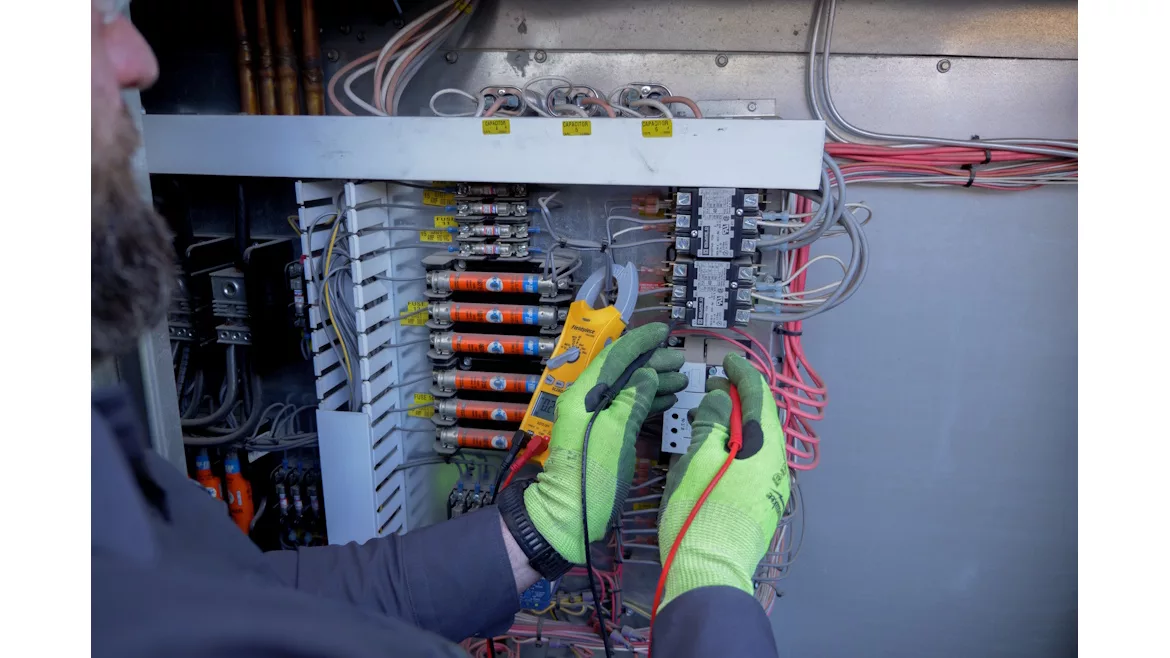
NEW RULES: The regulatory landscape is shifting, as the AIM Act expanded leak repair and recordkeeping requirements to HFC systems with charges as low as 15 pounds.
If you obtained your EPA 608 certification years ago and haven't thought much about it since, you're in good company. Most HVACR contractors operate the same way -- focused on the work in front of them, not the regulatory framework behind it.
That made sense for a long time. EPA enforcement historically targeted the easy marks: scrap metal recyclers, large commercial facilities, and the occasional bad actor making headlines. Contractors flew under the radar.
But the landscape is shifting. The AIM Act expanded leak repair and recordkeeping requirements to HFC systems with charges as low as 15 pounds -- a threshold that pulls in a lot of equipment that wasn't previously covered. Enforcement actions against contractors aren’t as rare as most believe, and penalties remain steep: $59,114 per violation per day as of January 2025. Consider Gold Medal Service, which paid over $100,000 just last year. Or National HVAC Service's settlement, which topped $1.3 million.
The contractors getting caught aren't usually the ones cutting corners. They're the ones who do good work but can't prove it when asked.
What Inspectors Look For
If an EPA inspector showed up at your shop tomorrow, could you demonstrate compliance? The audit isn't a quiz on regulatory citations -- it's a documentation review. Inspectors want to see that your people are certified; you have and use certified equipment; and your records tell a coherent story from refrigerant purchase through service through disposal. Every ounce counts.
Here's a practical checklist to assess your readiness:
Personnel and Credentials
- All technicians have valid EPA 608 certification cards available at the office.
- Certification types match work performed (Type I, II, III, or Universal).
- Technician certifications must keep a copy of their certificate at their place of business.
- Records of apprentices include registration dates (the two-year limit applies).
Recovery Equipment
- All recovery/recycling equipment has certification labels visible.
- Equipment is appropriate for refrigerant types serviced.
- Maintenance records available (filter changes, gauge calibration, leak inspection).
- Equipment meets evacuation standards.
Refrigerant Purchasing
- Purchase invoices show seller name, date, quantity, and refrigerant type.
- Proof of technician certification provided to suppliers on file.
- Records retained for at least three years.
Service Documentation
- Customer and date of services completed.
- Address and unique identification of the unit being serviced.
- Qualified technician information linked to service records.
- Refrigerant type and quantity added/removed by unit.
- Part(s) installed, serviced, repaired, or disposed of.
- Leak(s) inspected, repaired, tested, and reverified.
Refrigerant Inventory and Handling
Looking for quick answers on air conditioning, heating and refrigeration topics? Try Ask ACHR NEWS, our new smart AI search tool. Ask ACHR NEWS
- Recovered refrigerant stored in labeled, DOT-approved containers.
- Cylinders are in-date for DOT (recertified within five years).
- Recovered refrigerant only reused in same-owner equipment or sent to reclaimer.
- Documentation for refrigerant sent to reclaimers or destruction facilities.
- Mixed refrigerants properly identified and segregated.
Appliance Disposal
- Signed statements from final processors on file (if applicable).
- Records of proper evacuation before disposal.
- Small appliance recovery certification documentation available.
Disposable Cylinders
- Do NOT refill disposable cylinders.
- Heels recovered and documented before cylinder disposal (current requirement).
- Cylinders sent to recycling, not landfill.
- Process in place for 2028 documentation requirements.
Protecting Your Business
Compliance isn't just about avoiding penalties -- though a six-figure enforcement action can devastate a contracting business. It's about operating professionally, protecting your reputation, and being able to demonstrate to customers and regulators that you take your responsibilities seriously.
The contractors who get caught typically share common failures: incomplete documentation, untracked refrigerant, and informal processes that worked fine until someone asked for proof. The solution isn't complicated: know the requirements, document your work, have your team’s credentials at hand, and use certified equipment. The regulatory framework is extensive -- Section 608, the AIM Act, and DOT cylinder rules all intersect -- but the daily discipline is straightforward.
For a deeper dive into specific regulatory citations, timelines, and documentation requirements, FMHero has published a comprehensive EPA Compliance Guide for HVACR Contractors covering the full workflow from certification through disposal.
Looking for a reprint of this article?
From high-res PDFs to custom plaques, order your copy today!