Guest Column
How Tankless Water Heaters Work
What makes tankless systems different from traditional heaters?
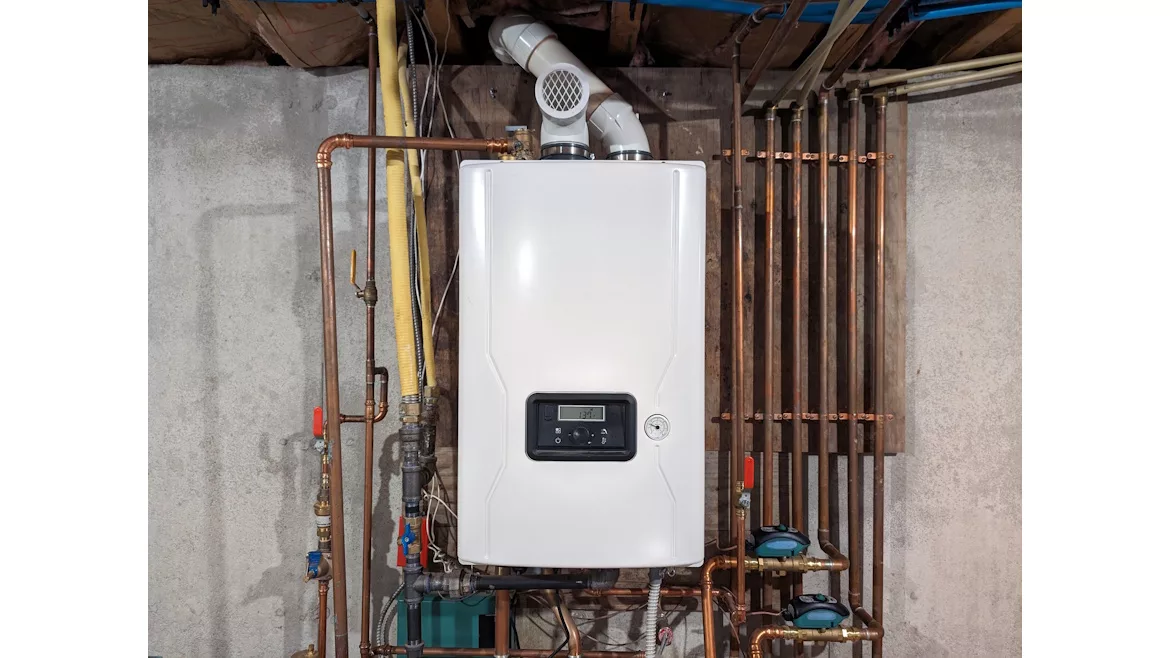
LONGEVITY: Proper installation and routine maintenance help prevent common failures and extend equipment life
Also known as demand-type or instantaneous water heaters, tankless water heaters are similar to conventional water heaters in that they use gas, electric resistive, or heat pump technology to heat water for various purposes such as domestic water, hydronic heat, radiant floor, or ice melt. There are also “combination” tankless heaters, which can heat water for both space heat and domestic hot water purposes.
What makes tankless heaters unique is the lack of a storage reservoir for heated water. Water is heated on demand, allowing for a compact, wall-mounted design that saves space and improves energy efficiency. While tankless water heaters have higher maintenance requirements, they can solve many operational challenges.
Order of Operations
For domestic hot water, operation begins when a hot water tap is opened. A water flow sensor on the incoming cold water side detects flow and signals the control board once the minimum flow rate is reached.
In gas-fired units, the draft fan activates first. After draft is proven, the ignitor sparks and the gas valve opens. A flame sensor confirms burner ignition. Servo valves regulate water flow through the heat exchanger based on turbine speed. When the desired water temperature is reached, a temperature sensor shuts off the burners. Burners also shut down when water flow stops. The fan runs last to exhaust residual combustion gases.
Benefits of Tankless Water Heaters
Tankless heaters eliminate the risk of running out of hot water because they fire on demand. Traditional tank heaters can run out when demand exceeds stored capacity.
Tankless systems are more energy efficient since gas or electricity is only used when hot water is needed. They are also significantly smaller than tanked heaters, making installation easier and saving mechanical room space.
How Cascading Works
High hot water demand can be met through cascading, where multiple tankless heaters are piped together. Cascading reduces wear on individual units and provides redundancy if one heater fails.
Looking for quick answers on air conditioning, heating and refrigeration topics? Try Ask ACHR NEWS, our new smart AI search tool. Ask ACHR NEWS
One unit is typically designated as the leader or master, controlling firing sequence and modulation. Other units act as lag members. Sequencing balances run time and prevents short cycling. Some systems use wireless communication or masterless controls to avoid a single point of failure.
Proper piping design is critical. Reverse return piping, also known as “first in, last out,” ensures equal pipe lengths and balanced flow through each heater. Without it, units with shorter piping runs may wear out faster or prevent others from firing.
Maintenance Procedures
Because water flows continuously through the heat exchanger, regular flushing is essential. Scale buildup restricts flow, leading to overheating and reduced service life.
Manufacturers recommend flushing at least once per year, or every six months in hard water or high-demand applications. Flushing typically involves circulating vinegar or a descaling solution through the heat exchanger using a submersible pump rated at approximately 4 GPM.
After flushing, the inlet water filter should be cleaned. Additional maintenance includes cleaning the flame sensor and ignitor, condensate drain trap, intake air filters, and exercising the pressure relief valve. Testing combustion and cleaning the draft motor wheel are also recommended.
Proper installation and routine maintenance help prevent common failures and extend equipment life. When well-maintained, tankless water heaters reduce energy costs by eliminating the need to keep stored water hot at all times.Looking for a reprint of this article?
From high-res PDFs to custom plaques, order your copy today!