Guest Column
Why Commercial HVAC Companies Fail To Sell And Tips To Craft A Proper Exit Plan
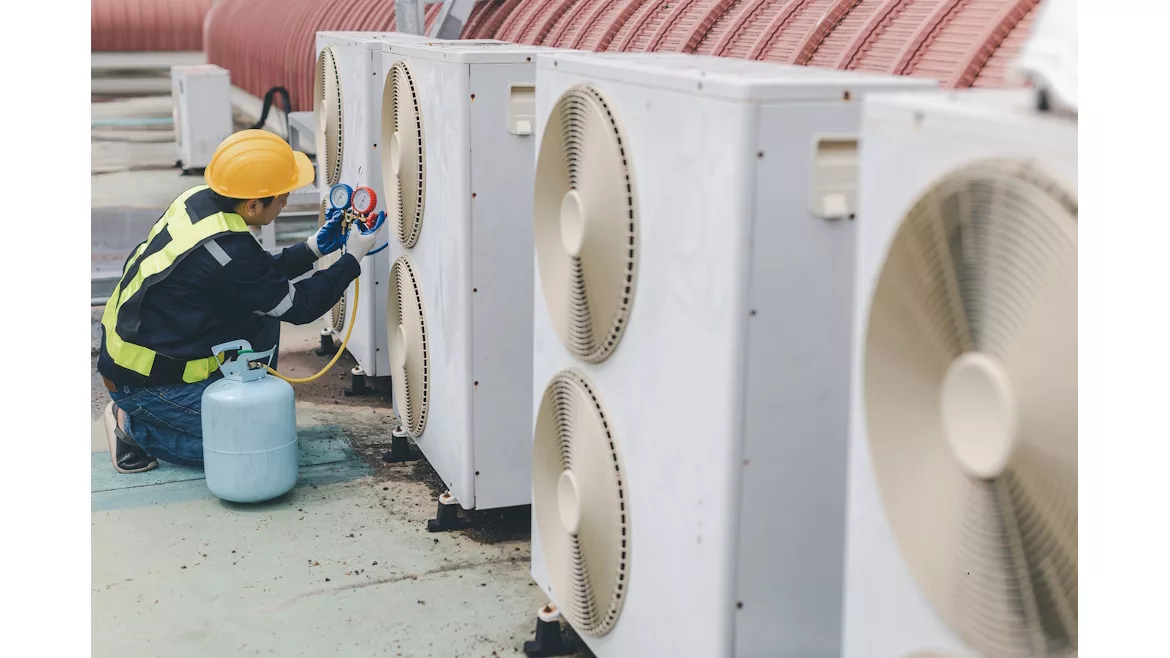
HARD REALITY: Eight out of ten U.S. businesses never sell.
There are over 117,000 air conditioning and heating contractor companies in the United States, and one thing all of those owners have in common is that they will one day exit their business. The business they start will either shut down, the owner will retire, or the owner will die. No matter which direction they take, every HVAC company owner in America will eventually leave their business, which is why they need an exit plan to ensure a smooth transition from one owner to the next. However, most commercial HVAC company owners lack an actionable exit plan. Eight out of every 10 businesses in the United States will never sell because their owners have not prepared their companies for their departure. It is in your best interest, and your team's, to create an actionable exit plan. Doing so will give your company a higher valuation and ensure your company and the employees who work there stick around long after you leave. Don’t be one of the HVAC companies that fail to sell. Craft a proper exit plan. Here are a few reasons many HVAC company owners don’t craft an exit plan, along with tips for creating a proper one.
Owners Are Too Involved In Daily Operations
Historically, most HVAC companies have been true blue-collar success stories. A contractor learns the trade, saves money, and eventually starts a business with only themselves, a truck, and some tools. The owner does everything because they are the only one who works there. The problem is that when the company grows, the owner never gives up any responsibility. The owner runs a profitable company but remains involved in all daily operations and is the only one with the proper licensing. It typically stays that way until it is time to sell, but because the owner spent no time delegating responsibility and training a replacement, the company is unsellable. Who is going to do all the work when you are gone if you are the only one trained to do it competently? Buyers want to buy an HVAC business; they don’t want to buy a job, and they will pay a premium for an HVAC company that can operate when you leave. It is hard to find good people who can do the job as competently as an experienced owner. Instead of overcoming that challenge, many HVAC company owners just give up and do the work themselves. This strategy works fine when you are running your company, but it hurts you when it is time to retire and sell, because your company is now hamstrung without you. Take the time to find good employees, invest in them both financially and educationally, and you will see the payoff when it is time to sell.
A Lack Of Proper Bookkeeping
A key part of successfully selling your HVAC company is making the process easier for the prospective buyer and their team. This means the due diligence process needs to be organized and free of chaos. Today’s buyers are unlikely to come with cash; they are likely to come with a lender. A buyer's lender wants to see well-organized business records to ensure the business they are helping finance is generating revenue to repay the loan. They are going to want to see a current balance sheet and an accurate profit and loss statement that meets industry standards. They don’t want to see chaotic books that show large chunks of money going out as seller discretionary earnings. Many HVAC company owners keep chaotic financial records. If the buyer’s lender can’t clearly see that you have a regular draw of income, they aren’t going to lend the money to close your deal. So many companies are profitable and make payroll, but they can’t sell because their bookkeeping is a mess. Keep your books tightly organized and up to industry standards. Clarity creates more buyers, and lenders are less likely to walk away if they see you are a profitable business that keeps good records.
The Company Lacks A Documented Process And Structure
Nothing hurts an HVAC company's value more than chaos. Even the perception of chaos can undermine your company's value. One of the biggest reasons profitable companies don’t sell is that they lack a documented structure within the company. The company is profitable, and the workers are competent, but there is no written policy or chain of command beyond the owner. Everyone may know their job, but what is a buyer going to do when your departure inevitably leaves a void in the company’s structure? Who runs which department? Who trains new employees for certain jobs? Who do you go to for any issue? A buyer has no idea how to answer these questions because no processes or chain of command are documented anywhere. Not having these things undermines your company's value because it makes it look unorganized. Take the time to document your job processes and the company-wide chain of command. Documenting these things will increase your company's value when it is time to sell.
Not Hiring An Exit Strategist
The hardest part of selling your company is finding people you trust to give you the straight truth. Everyone involved, from yourself to the buyer and the business broker, has a different incentive to get a deal done. You need a third party who has no skin in the game and is compensated on a flat fee. This is why hiring an exit strategist is so important. You have someone who can tell you the strengths and weaknesses of your business, and their compensation is not based on the outcome of your deal.
A good exit strategist will provide you with a qualitative and quantitative way to measure your HVAC company's exit readiness. They can present a detailed report with data and explain how they gathered it. The report will incorporate real numbers from your CPA and bookkeeper and compare your exit readiness with that of other HVAC companies of your size and niche. It is hard for many HVAC company owners to see the flaws in their businesses, and an exit strategist can objectively assess your company and identify what needs fixing and what doesn’t.
A Good Exit Strategy And Measuring Exit Readiness
Not every HVAC company owner has the resources or the desire to hire an exit strategist. However, you still need to prepare an exit strategy and measure your exit readiness. Creating an exit plan is not a quick process; it takes years to properly establish. You need at least three years of accurate bookkeeping so you can ensure your financial numbers are accurate when it comes time to sell.
Looking for quick answers on air conditioning, heating and refrigeration topics? Try Ask ACHR NEWS, our new smart AI search tool. Ask ACHR NEWS
What is the current value of your business? You can start with a range and then be more specific once you really zero in on the number. Focus on the next few years. You need to run an internal report to specifically identify the items within your company that are suppressing its value. Every company has something hurting its value, so be brutally honest with yourself. Then create a plan to address those issues based on the timeframe you set for exiting your company. A strong exit plan will span three to ten years. The earlier you do this, the better, because the more time you have to plan and fix issues, the better.
It is important to remember that an exit plan doesn’t have to be about an immediate exit. Sometimes the best strategy for your exit is to grow. Growing your company by acquiring more customers or buying competitors can be easily integrated into your exit plan. You don’t have to neglect growing your business; you just need to know what the end goal of growth is and how to capitalize on it when it is time to leave, or when unforeseen circumstances force you to leave your company.
Every HVAC company owner will eventually leave their company, either through retirement or the passage of time. Creating a proper exit plan will better position you and your team for success when it is time to move on from your company. Your business is the largest asset you will likely ever own, so it makes sense to create a plan that maximizes its value when it is time to exit.
Looking for a reprint of this article?
From high-res PDFs to custom plaques, order your copy today!