ACHR News
search
Ask ACHR NEWS AI
cart
facebook twitter instagram linkedin youtube
  • Sign In
  • Subscribe
  • Sign Out
  • My Account
ACHR News
  • NEWS
    • Breaking News
    • New HVAC Products
    • Featured Products
    • Manufacturer Reports
    • HVAC Data
    • Legislation
    • ACHR NEWS Centennial
  • RESIDENTIAL
    • Air Conditioners
    • Furnaces
    • Residential Heat Pumps
    • Ductless
    • Residential IAQ
    • Testing, Monitoring, Tools
    • Components & Accessories
  • COMMERCIAL
    • Air Handlers
    • Rooftop Units
    • Chillers and Cooling Towers
    • Commercial Heat Pumps
    • Boilers and Hydronics
    • VRF/Ductless
    • Commercial IAQ
  • REFRIGERATION
    • Refrigerants
    • Refrigerant Regulations
    • Leak Management
  • CONTRACTOR PRO
    • Geothermal
    • Homeowner Study
    • VRF and VRV Ductless
    • Unitary Trends
  • EDUCATION
    • Training and Education
    • Business Management
    • Service and Maintenance
    • Continuing Education
    • Market Research >
      • HVAC Brand Awareness Report
      • VRV, VRF, VRVZ Report
      • Unitary Trends Report
      • Water Heat Professionals Report
    • Webinars
    • Sponsor Insights
    • eProducts Info
    • White Papers
  • EVENTS
    • HVAC Contractor Forum
    • Industry Events and Webinars
  • MEDIA
    • Videos
    • AHR Expo 2025 Videos
    • Podcasts >
      • ACHR News Podcast
      • HARDI Podcasts
      • AHR Expo Podcasts
      • ACCA Podcasts
    • Interactive Spotlights
    • Quizzes
    • eBooks
    • HVAC Talkback
  • HVAC GROUP
    • ACHR NEWS >
      • Current Issue
      • Digital Edition
      • Subscribe
    • Distribution Trends
    • SNIPS NEWS >
      • Join SNIPS NEWS
    • Engineered Systems News >
      • Join ES News
    • HVACR Directory
    • Contests
    • Newsletters
    • Contact
    • Advertise
    • My Account
HVAC ContractingNewsService and MaintenanceHVAC Residential Market

Gas Furnace Installation: Safety and Performance Best Practices
By ACCA (Air Conditioning Contractors of America)
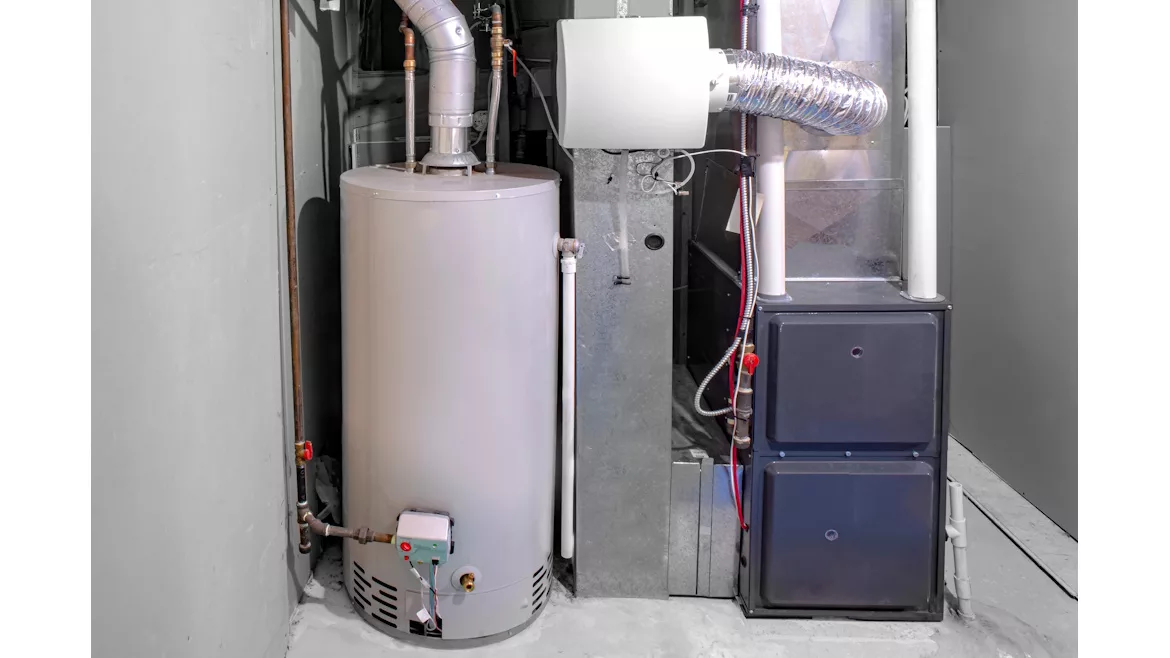
gas-furnace.jpeg
Courtesy oasisamuel - stock.adobe.com

READ THE MANUAL: Most installation problems stem from one thing: nobody opened the instruction manual.

November 16, 2025

Skipping the manufacturer's instructions during installation may result in a furnace that fails within six months or less. For example, heat exchangers can crack from improper venting, and gas valves can clog and malfunction by skipping essential piping steps. This happens all the time when installers rush through jobs. A correct installation ensures occupant safety, protects your business from legal action, and avoids time-consuming, profit-eating callbacks.

Four areas separate quality installations from disasters waiting to happen: reading instructions, furnace flue pipe venting, gas piping, and airflow. Get these right, and the system performs as designed for years.


Read the Manual First

Most installation problems can be traced back to one source: nobody opened the instruction manual. Manufacturer specifications provide detailed instructions on how to size vents, specify the required airflow for the unit, and outline the necessary modifications for your specific application. These requirements are in place to prevent equipment failure and to reduce the substantial liability risks associated with installing gas furnaces in homes.

When callbacks happen and someone investigates, that manual is often still wrapped in plastic. The instructions outline everything needed to prevent premature failures. Taking the time to read the instructions is far quicker than dealing with a callback that costs hours of labor and damages your reputation.


Proper Venting: The Foundation of Safe Operation

Venting requirements vary based on furnace efficiency, and mixing up the rules causes serious problems.


80% vs. 90-95% Efficiency Furnaces

The efficiency rating determines which venting materials you need:

Efficiency Level

Vent Material

Key Characteristic

80%

Double-wall metal pipe

Hot exhaust gases

90-95%

PVC pipe

Cooler, condensing gases

Using the wrong material for your furnace type leads to rapid deterioration and system failure.


Vent Length and Sizing

Consult the manufacturer's specifications before running any vent pipe. Excessive length or incorrect diameter causes moisture to roll back into the system instead of exiting outside. Combustion gases get trapped when they can't vent out, and condensation builds up inside the pipe. That water drips back down into the heat exchanger.

Looking for quick answers on air conditioning, heating and refrigeration topics? Try Ask ACHR NEWS, our new smart AI search tool. Ask ACHR NEWS →

The moisture problem starts with rust and soot. Continue running the furnace in this manner, and the heat exchanger will develop cracks. Once cracked, combustion gases leak into the air that goes through your customer's house. That means carbon monoxide in their living space. Building codes now require carbon monoxide detectors in new homes; tell your customers with older homes to install them during every service visit.


Gas Piping Fundamentals

Gas piping may seem straightforward, but taking shortcuts here creates immediate safety risks.

Note: Reference NFPA 54 for the minimum safety requirements for the design and installation of fuel gas piping systems in homes.


Install a Drip Leg

The gas line entering the furnace requires a drip leg, which is a tee fitting with a capped vertical section that points downward. Sediment and debris in the gas line fall into this trap instead of traveling into the gas valve. Without it, contamination clogs the valve screen, preventing proper firing.

Contractors should reference the 2015 International Fuel Gas Code (IFGC) 408.4 Sediment Trap code, as well as their local building codes, for the full requirements.  


Use Proper Gas Pipe Materials

The black iron pipe must extend into the furnace cabinet. Never use a flexible yellow gas line (CSST) as the final connection into the cabinet. When the furnace runs, normal vibration causes the flex line to rub against the cabinet entry hole. That friction eventually wears through the line, creating a gas leak. The risk isn't theoretical; it's a documented failure mode that poses an immediate danger to occupants.


Low Airflow: The Silent Performance Killer

Airflow problems often get misdiagnosed. Technicians replace parts until it starts, instead of identifying the root cause. In many cases, part replacement isn’t the solution; the real culprit is insufficient airflow through the system.

High-MERV filters can reduce airflow, which can cause the furnace to trip its high limit in heating mode. Before blaming the filter, verify that the ductwork is sized to handle the type of filter being used. High-efficiency filters work well when the ducts can handle them—got airflow problems? Repair the ductwork or opt for a less restrictive filter.

Improperly sized ducts will compound airflow issues. Too little air movement makes the furnace cycle on high limit. When airflow is restricted in cooling mode, the evaporator coil may become so cold that moisture freezes on it, eventually forming a block of ice. Technicians often replace controls and sensors when the actual problem is restricted airflow that may be caused by undersized ductwork.


Additional Installation Considerations

Several other factors also impact long-term performance and customer satisfaction. Missing these details can lead to callbacks not only for noise complaints but also for issues like poor airflow, temperature imbalances, reduced system efficiency, and increased energy costs.

  • Vibration isolation pads - cut down noise that travels through floors and ceilings, matters most in attic installs
  • Equipment suitability - confirm the chosen furnace fits the installation location before ordering
  • Equipment placement - check manufacturer specs and local codes before you modify vent runs or move equipment around


Quality Work Pays Off

A quality installation delivers the comfort and efficiency the homeowner paid for, while helping the equipment operate reliably for its useful service life. By following the manufacturer’s instructions and applying best installation practices, systems are more likely to operate as designed from the start. This not only ensures performance and reliability but also helps protect your company’s reputation in an industry where cutting corners is unfortunately common.

ACCA provides specialized training and education resources tailored to help HVAC field staff improve installation quality, reduce callbacks, and deliver consistent performance. Courses such as Residential Design for Quality Installation, HVAC System Performance Diagnostics, and Practical HVAC go beyond basic requirements to teach field-proven practices that prevent common installation mistakes. These programs help technicians and installers understand how to diagnose and correct system issues, ensuring systems operate efficiently and reliably. Access this training through www.acca.org. ACCA resources support field teams in building customer trust, reducing liability, and enhancing the overall reputation and profitability of your business.

KEYWORDS: ACCA (Air Conditioning Contractors of America) installing HVACR maintenance for HVACR troubleshooting and HVACR

Share This Story

Looking for a reprint of this article?
From high-res PDFs to custom plaques, order your copy today!


Air Conditioning Contractors of America (ACCA) represents the heating, ventilation, air conditioning, and refrigeration (HVACR) contracting industry. With thousands of member companies across the United States, ACCA develops industry standards, provides technical and business training, and advocates for policies that support contractors and promote quality, safety, and energy efficiency.

Recommended Content

JOIN TODAY
To unlock your recommendations.

Already have an account? Sign In

  • HVAC-enrollment

    The Trades Are Back: HVACR Programs See Nearly 30% Enrollment Spike

    A new wave of future technicians is entering the pipeline.  
    News
    By: Matt Jachman
  • 2025 Top 40 Under 40

    2025 Top 40 Under 40 HVACR Professionals List

    The 11th annual Top 40 Under 40 list highlights those...
    HVAC Commercial Market
    By: Hannah Belloli-Oster
  • LG Ductless Mini-Split Systems

    The 9 Types of Heat Pumps

    As the U.S. moves toward electrification, heat pumps are...
    Air Source Heat Pumps
    By: Joanna R. Turpin
Subscription Center
  • Create an Account
  • Start a Subscription
  • Manage My Account
  • Sign Up for Newsletters
  • Visit Customer Service
  • Update Preferences

More Videos

Sponsored Content

Sponsored Content is a special paid section where industry companies provide high quality, objective, non-commercial content around topics of interest to The News audience. All Sponsored Content is supplied by the advertising company and any opinions expressed in this article are those of the author and not necessarily reflect the views of The News or its parent company, BNP Media. Interested in participating in our Sponsored Content section? Contact your local rep!

close
  • Piggy Bank
    Sponsored byWatercress Financial

    Energy Prices, Inflation, and HVAC: What Today’s Homeowners Care About

  • Refrigerated Food
    Sponsored bySolstice Advanced Materials

    R-455A Refrigeration: A Cold Storage Solution for the Future

  • Airex Rooftop Units
    Sponsored byAirex Manufacturing Inc

    Consolidating Roof Penetrations: A Growing Trend in Multifamily HVAC Design

Popular Stories

Refrigerants-and-gauge.jpg

HVAC Industry Warns of Counterfeit Refrigerants Entering U.S. Supply Chain

U.S. Supreme Court building

95% Furnace Efficiency Rule to Get New Hearing

Data_Center_facility.jpg

HVAC Manufacturers Respond to Growing Data Center Backlash

Lennox equipment

Platinum Equity to Sell Heat Controller to Lennox

HVAC Minute retail refrigeration system

EPA Final Rule’s Impact on R-410A Deadlines

View The ACHR NEWS
Centennial Anniversary Timeline

The ACHR News Timeline Chart
Submit a Letter
Submit a letter to our editors.

Events

November 6, 2025

Next-Gen Data Center Cooling: HVAC Innovation and Real-World Solutions

On Demand As AI workloads and high-density computing push traditional cooling methods to their limits, the data center industry is accelerating the adoption of next-generation HVAC technologies.

November 2, 2026

HVAC Contractor Forum

HVAC Contractor Forum Logo

The HVAC Contractor Forum is built for residential contractors navigating a changing landscape. Through peer-to-peer learning, structured dialogue, and technical case sessions, the event delivers grounded, field-tested insights for those responsible for day-to-day operational outcomes and big picture planning.

View All Submit An Event

Poll

Summer Staff

Are you fully staffed for the summer season?
View Results Poll Archive

Products

BNI Mechanical/Electrical Square Foot Costbook, 2026 Edition

BNI Mechanical/Electrical Square Foot Costbook, 2026 Edition

See More Products
Designing Systems Using A2L Refrigerant - Free Webinar - 7/22/2026

Related Articles

  • gas-furnace-install.jpg

    Gas Furnace Installation: What Every HVAC Technician Must Get Right

    See More
  • May 20, 2010: ACCA Releases Gas Furnace Installation Video Training Program

    See More
  • Furnace Installation Safety

    See More

Related Products

See More Products
  • The ACHR News - February 2, 2026

    ACHR NEWS February 2, 2026, Issue

  • The ACHR News - February 16, 2026

    ACHR NEWS February 16, 2026, Issue

See More Products

Related Directories

  • Air Conditioning Contractors of America

    ACCA, the national trade association furthering the interests of HVACR contracting businesses and the broader HVACR industry, serves more than 80,000 professionals and 3,000 businesses nationwide.
  • Building Performance Assn.

    The Building Performance Association is a membership-driven 501(c)6 industry association dedicated to advancing the home and building performance industry by delivering improved energy efficiency, health, safety, and environmental performance of buildings through our members and network.
×

Sign Up. Stay Informed.

The #1 trusted source for the HVACR industry since 1926

SUBSCRIBE
  • RESOURCES
    • Advertise
    • Contact Us
    • Advisory Board
    • Classifieds
    • Submit a Letter
    • Directories
    • Store
  • ACCOUNT CENTER
    • Create an Account
    • Start a Subscription
    • Manage My Account
    • Sign Up for Newsletters
    • Visit Customer Service
    • Update Preferences
  • SERVICES
    • Marketing Services
    • Reprints
    • Market Research
    • List Rental
    • Survey/Respondent Access
  • STAY CONNECTED
    • LinkedIn
    • Facebook
    • Instagram
    • YouTube
    • X (Twitter)
  • PRIVACY
    • PRIVACY POLICY
    • TERMS & CONDITIONS
    • DO NOT SELL MY PERSONAL INFORMATION
    • PRIVACY REQUEST
    • ACCESSIBILITY

Copyright ©2026. All Rights Reserved BNP Media, Inc. and BNP Media II, LLC.

Design, CMS, Hosting & Web Development :: ePublishing