Inside the HVAC Equipment M&A Surge: Data Centers, Efficiency, and Private Equity
From compressors to controls, HVAC equipment is now an investor magnet
The HVAC equipment market is highly fragmented, with accreditation, reputation, and proprietary technology acting as barriers to entry. These characteristics have long supported consolidation, and mergers and acquisitions (M&A) activity is accelerating as new dynamics reshape the competitive landscape.
While strategic acquirers have historically dominated HVAC M&A transactions, the sector has attracted growing interest from private equity. Private equity investors are increasingly drawn to the secular tailwinds that are creating exponential growth for sector participants and the sector at large, particularly the data center boom, which is spurring demand for more efficient and sustainable cooling solutions. Government regulation and technological advancements in developing energy-efficient solutions and sustainable equipment for HVAC add further momentum, making the HVAC sector an attractive investment.
Data Center Boom Fueling Investor Interest in HVAC
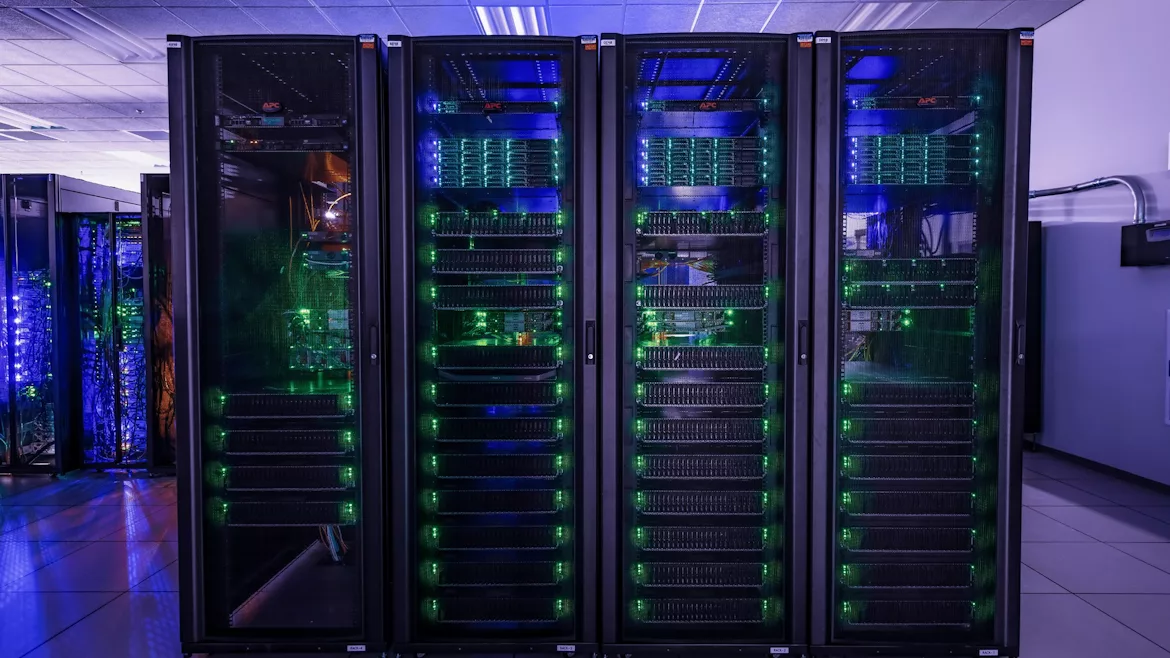
The exponential growth in data center development, fueled by artificial intelligence (AI) and other emerging technologies, is generating a significant need to displace heat while managing the cost to cool, which is creating opportunities for consolidation within the fragmented HVAC equipment and componentry participant landscape. The U.S. is forecasted to be the fastest-growing market for data center energy consumption, growing from 25 GW in 2024 to more than 80 GW of demand by 2030. This represents a more than tripling of power needs, rising from between 3% and 4% of total energy consumption today to between 11% and 12% in 2030, according to McKinsey & Company.
One of the most immediate challenges data centers face is the need for cooling solutions. Data centers employ various cooling methods, including air cooling, liquid cooling (including immersion cooling), free cooling, evaporative cooling, or a hybrid, which create meaningful opportunities within the fragmented landscape. Novel solutions to satisfy energy demand for data centers are under exploration, with the goal of reducing energy and cooling costs while lowering the overall strain on the grid. Investor interest is soaring in these technologies: for example, Schneider Electric acquired liquid-cooling specialist Motivair (February 2025) for $850 million, Sweden-based Munters purchased Geoclima (October 2024) and ZutaCore (September 2024), and Modine purchased TMGcore (January 2024), all of which focus on next-generation data center cooling technology and equipment.
Why Private Equity Likes the HVAC Sector
Alongside strategic buyers, private equity firms are showing a growing appetite for HVAC assets. Leading private equity investor Blackstone’s $14 billion acquisition of Copeland (formerly Emerson Climate Technologies) in 2024 — which gave it Copeland’s compressors, controls, thermostats, valves, and monitoring solutions for the global HVAC market — stands out as a marquee deal in this space. Completed at a strong purchase-price-to-EBITDA valuation of 12.7x, the transaction reflects the growing private equity demand tied to the HVAC sector as investors look to benefit from increasing secular demand driven in part by data center growth. Sector fragmentation has created more platform-building (i.e. creating or scaling) opportunities and private equity investors find HVAC companies attractive due to their resilient business models. At a high level, HVAC checks several key boxes for financial sponsors. The sector combines recession-resistant service demand with long-lived assets, a steady replacement cycle, and favorable tailwinds from regulation, efficiency, and sustainability initiatives. The high cost of failure reinforces this recession resistance — the risk from switching to an unproven supplier far outweighs the nominal savings it might deliver. This dynamic strengthens the position of incumbents, making organic growth through customer acquisition from an incumbent competitor difficult, leaving M&A as the default path to scale.
Energy efficiency and reliability are important to ensure high-investment assets, such as expensive data centers, remain operational. This creates the need for additional monitoring and measuring equipment and components, including sensors and gauges. Downtime (which can be the result of cooling failure, among many reasons) is very expensive, disruptive, and reputationally damaging. Energy demand also places heightened strain on the electric grid, which creates clear pathways for accelerated consolidation activity as private equity employs a strategy to “buy-and-build” investments within the fragmented market. Companies often pursue growth by acquiring other firms with proven and novel technologies and established customer relationships, rather than investing time and capital into developing new products from the ground up. This acquisition-driven approach allows them to quickly expand their product offerings, expand their brand portfolio, enter new markets, tap into an existing customer base, and gain access to specialized offerings such as monitoring, instrumentation, and energy efficiency capabilities.
Outlook on the HVAC Market Over the Next 12-18 months
While the HVAC industry is benefiting from strong macroeconomic trends, it also faces a range of structural and cyclical challenges such as skilled labor shortages, regulatory uncertainty, and margin pressures, that will shape how the sector evolves in the years ahead. Companies are turning their focus to automation and remote monitoring and facilities management of systems to create efficiency in operations amid a tightened labor pool.
Looking for quick answers on air conditioning, heating and refrigeration topics? Try Ask ACHR NEWS, our new smart AI search tool. Ask ACHR NEWS
However, strong tailwinds such as the global push towards energy efficiency, regulatory developments, and smart infrastructure will continue to give momentum despite these headwinds. Regulatory changes are reshaping the HVAC industry, driving it toward more sustainable and environmentally friendly practices. More stringent regulations governing refrigerants will increase demand for newer HVAC technology, products, and systems, requiring higher-performing equipment. We believe these regulatory developments, coupled with the increased monitoring of HVAC equipment to ensure compliance, will continue to drive demand for commercial HVAC equipment.
The data center cooling market exhibits a strong growth outlook, propelled by sustained demand from hyperscale providers, including Amazon Web Services (AWS), Microsoft Azure, Google Cloud Platform (GCP), Meta Platforms, Apple, and others; increasing heat density driven by advanced computing like AI; and the continuous evolution of cooling technologies. While concerns exist regarding the timing of peak hyperscale capital expenditure, several tailwinds, such as the expanding wallet share of major customers and the rising adoption of liquid cooling solutions, will attract financial and strategic buyers to investment opportunities, as well as continue demand for HVAC providers.
Looking for a reprint of this article?
From high-res PDFs to custom plaques, order your copy today!