Guest Column
How to Get Airflow Right in Open-Concept Spaces
Design-driven spaces require HVAC contractors to rethink zoning, diffuser placement, and ventilation from the start
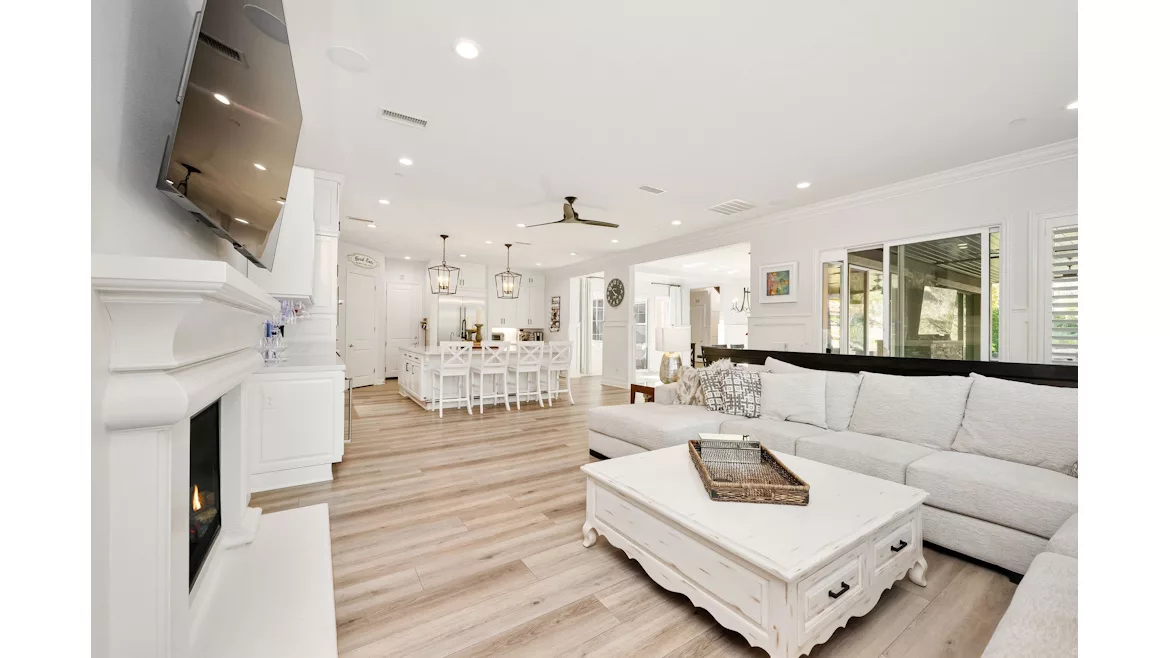
MODERN FOOTPRINT: With more new spaces utilizing open concept design, there are some new challenges for HVAC.
Across both residential and commercial markets, spaces are being designed with tighter footprints, open layouts, and higher expectations for aesthetics. From urban apartments and townhomes to boutique offices, restaurants, and retail spaces, owners want environments that are quiet, efficient, and visually seamless.
For HVAC contractors, this presents a growing challenge: how to deliver high-performance airflow in spaces where traditional equipment placement and distribution strategies may not fit. By treating airflow as a design priority — not a last-minute installation detail — contractors can help ensure projects succeed in both comfort and efficiency.
Shared Challenges Across Residential and Commercial
Smaller footprints amplify airflow issues. In homes and commercial spaces alike, drafts, noisy vents, or uneven temperature zones are immediately noticeable. An office worker sitting under a poorly placed diffuser experiences the same discomfort as a homeowner dealing with a draft in a compact living room.
Open layouts complicate circulation. Whether it’s a modern apartment or a coworking space, the lack of walls removes natural airflow boundaries. Contractors need to rethink zoning, balance return air, and design distribution strategies that account for unobstructed spaces.
Design expectations are higher. Visible mechanical components are increasingly unwelcome in both luxury homes and client-facing commercial spaces. Architects and owners expect HVAC to “disappear” into the environment while still performing reliably.
Key Considerations for Contractors
- Get Involved Early: The best outcomes happen when contractors are part of the project from the initial design stage. Early collaboration with architects and builders reduces conflicts, ensures diffuser placement supports comfort, and helps avoid costly callbacks. This proactive approach also establishes the contractor as a trusted advisor rather than just an installer.
- Plan for IAQ in Tight Envelopes: Modern construction favors highly sealed building envelopes — whether in energy-efficient homes or new commercial projects. While airtight envelopes improve efficiency, they can also trap pollutants and moisture. Contractors should recommend balanced ventilation strategies and integrate filtration solutions that support both occupant health and energy goals.
- Tailor Solutions to the Environment: In residential projects, quiet operation and comfort in multipurpose spaces are key, along with solutions that won’t disrupt home aesthetics. In commercial settings, contractors must prioritize consistent comfort across larger occupant loads, accessibility for maintenance teams, and strategies that directly impact tenant productivity or guest satisfaction.
- Adapt to Architectural Features: Unique design elements — vaulted ceilings, skylights, recessed lighting, or intricate millwork — can restrict airflow options. Low-profile or custom-integrated HVAC components allow contractors to meet performance standards while respecting the design vision.
Lessons from the Field
In multifamily renovations, contractors often face ceilings with extremely limited plenum space, making the installation of traditional diffusers impractical. Creative, compact distribution solutions are essential to maintain airflow without sacrificing design intent.
On the commercial side, restaurants and retail spaces may feature exposed ceilings where ductwork doubles as a design statement. Here, careful material selection, color coordination, and diffuser placement can make mechanical systems an intentional part of the aesthetic. In both scenarios, successful outcomes depend on early planning, adaptability, and a willingness to align performance requirements with architectural goals.
Looking for quick answers on air conditioning, heating and refrigeration topics? Try Ask ACHR NEWS, our new smart AI search tool. Ask ACHR NEWS
Building for the Future
The trend toward smaller, denser, and design-forward spaces is only accelerating. Homeowners expect comfort without visible mechanical distractions. Commercial tenants increasingly value workplaces that promote wellness, energy efficiency, and aesthetic appeal. These demands raise the stakes for HVAC contractors, who must not only install functional systems but also ensure those systems complement broader design and sustainability objectives.
Contractors who understand these expectations — and who proactively incorporate airflow into early project discussions — will be well positioned for long-term success. They will distinguish themselves as partners who can balance technical performance with architectural integrity, ultimately creating environments where design and comfort coexist.
Looking for a reprint of this article?
From high-res PDFs to custom plaques, order your copy today!