EPA Proposes New Refrigerant Rule
If finalized, the rule would extend compliance deadlines for refrigeration and a/c equipment
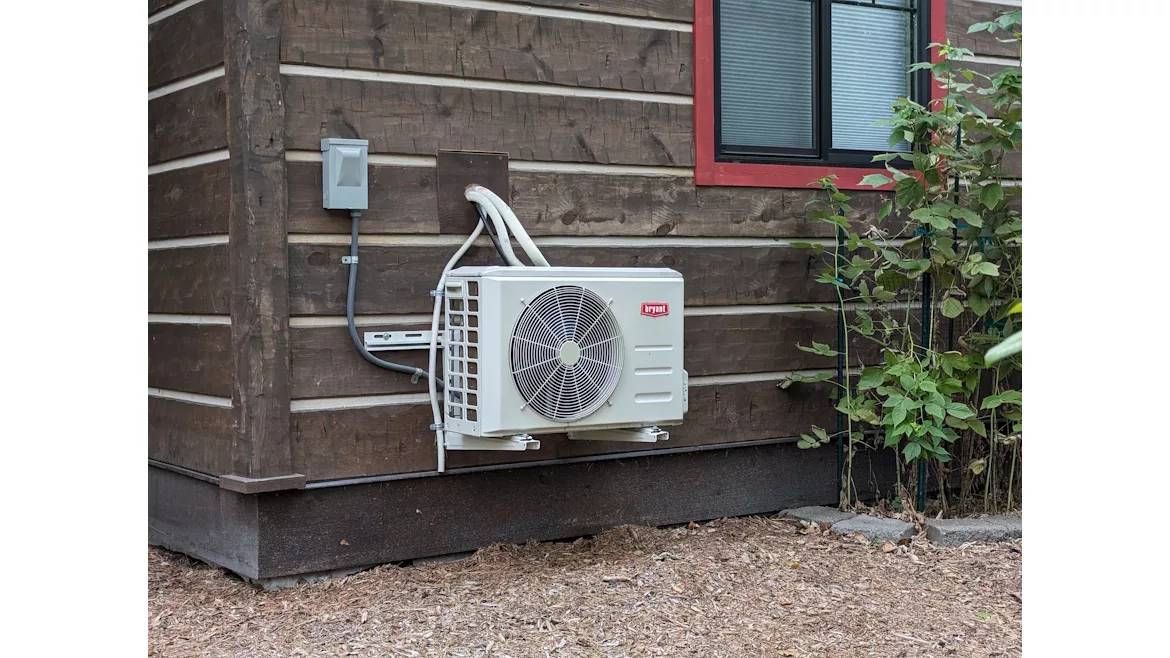
EXTENDED DEADLINE: EPA is proposing to remove the installation compliance date for R-410A equipment, as long as the components were manufactured before January 1, 2025.
On September 30, Environmental Protection Agency (EPA) Administrator Lee Zeldin issued a Notice of Proposed Rulemaking to revise the Technology Transitions (TT) subsection of the AIM Act of 2020, which restricts the use of high-GWP HFCs in HVACR products. If finalized, the proposed rule will extend the compliance deadlines on the use of HFCs in a number of subsectors, including residential/light commercial air conditioning, retail food refrigeration, and cold storage warehouses (see Table 1).
Table 1
| Equipment Category Impacted by Petition/Request | Current | Proposed Changes |
| Retail Food – Supermarkets | Starting January 1, 2027: 150 or 300 threshold (depending on charge size and equipment configuration) |
Starting January 1, 2027: 1,400 threshold Starting January 1, 2032: 150 or 300 threshold (depending on charge size and equipment configuration) |
| Retail Food – Remote Condensing Units | Starting January 1, 2026: 150 or 300 threshold (depending on charge size and equipment configuration) |
Starting January 1, 2026: 1,400 threshold Starting January 1, 2032: 150 or 300 threshold (depending on charge size and equipment configuration) |
| Cold Storage Warehouses | Starting January 1, 2026: 150 or 300 threshold (depending on charge size and equipment configuration) |
Starting January 1, 2026: 700 threshold Starting January 1, 2032: 150 or 300 threshold (depending on charge size and equipment configuration) |
| Residential and Light Commercial Air Conditioning and Heat Pump Systems | Installation date January 1, 2026 for equipment manufactured or imported before January 1, 2025 | No deadline to install equipment manufactured or imported before January 1, 2025 |
In response to this summer’s R-454B supply chain issues, EPA is proposing to remove the installation compliance date for residential and light commercial air conditioning and heat pump systems, as long as components are manufactured or imported before January 1, 2025. The agency said this flexibility would help sell through remaining R-410A inventory. EPA is also seeking input on steps the government could take to address future refrigerant shortages and price spikes.
Additionally, EPA is proposing to raise the GWP threshold for cold storage warehouses from 150 or 300 to 700 starting January 1, 2026, followed by a GWP limit of 150 or 300 starting in 2032. For retail food refrigeration, EPA is proposing to raise the GWP threshold to 1,400 (from 150 or 300), starting in 2026 for remote condensing units and 2027 for supermarket systems. Both would be followed by a GWP threshold of 150 or 300 GWP starting in 2032.
EPA framed these adjustments as a response to real-world challenges, noting in a press release that the 2023 TT rule “forced companies to switch to specific refrigerants like designer HFC blends for residential air conditioning and ammonia or carbon dioxide for supermarket and cold storage refrigeration equipment, contributing to an increase in consumer costs and shortages.”
The agency added that shortages of HFC blends left families without air conditioning during this summer’s extreme heat.
“Not only has this left Americans unable to afford or access the necessary refrigerants to install critical equipment, but it has also put public safety and human health at risk, as substances like ammonia are more toxic and flammable.”
In addition, with only 15 months’ notice, the EPA’s timeline may not allow safe compliance.
Looking for quick answers on air conditioning, heating and refrigeration topics? Try Ask ACHR NEWS, our new smart AI search tool. Ask ACHR NEWS
“Hardworking Americans have made their voices and frustrations heard about the lack of availability of refrigerant alternatives during hot summer months and regulations that increase the cost of living for families. Today, the Trump EPA is heeding the call for change,” said Zeldin. “With this proposal, EPA is working to make American refrigerants affordable, safe, and reliable again.”
Industry Reaction
Industry groups are already weighing in on the proposed rule changes. FMI – The Food Industry Association, for example, welcomed the revisions. The group had previously filed a lawsuit over the initial rule, arguing that the timeline for supermarket refrigeration equipment was arbitrary and violated the AIM Act.
In a press release, FMI president and CEO Leslie G. Sarasin praised EPA for reconsidering the TT rule, noting that the original rule imposed significant and unrealistic compliance timelines. She added that the proposed new rule would balance environmental goals with economic realities.
“This revised proposal is critical to preventing the rule from unnecessarily driving up grocery prices,” she said. “A balanced approach will provide retail stores with additional time to comply and reduce the implementation challenges associated with the rule, including a lack of available technology, continued installation and technician shortages, among other factors.”
The Plumbing-Heating-Cooling Contractors – National Association (PHCC) also expressed support for certain elements of the proposed rule. Chuck White, vice president of regulatory affairs, said PHCC supports eliminating the sell-through period for residential and light commercial air conditioning and heat pump products, calling it a practical solution that avoids the costly problem of stranded inventory.
“Allowing installation of products manufactured or imported prior to January 1, 2025, will keep consumers from ultimately having to absorb the cost of equipment that was abandoned due to the date on the calendar,” he said. “PHCC will continue to review the other industry-related sections of the proposed EPA reconsideration and prepare comments for the Agency’s consideration.”
The Air-Conditioning, Heating, and Refrigeration Institute (AHRI) is currently reviewing the proposed rule and will also have extensive comments by the deadline, said Samantha Slater, vice president of government affairs. In a press release, AHRI reiterated several of its well-established positions on the existing 2023 rule, including:
- Delaying the TT rule transition dates would disrupt multi-year planning and investment by U.S. manufacturers. Companies have already retooled production, certified new equipment, and built supply chains around the current schedule;
- Maintaining the current dates avoids duplicative costs, dual inventories, and confusion in the marketplace. Delays would force manufacturers and distributors to manage redundant product lines and training programs;
- A delay would re-open the U.S. market to outdated, high-GWP equipment, giving foreign manufacturers a competitive advantage. This would penalize American firms that acted in good faith to comply with the AIM Act;
- Certainty under the AIM Act supports stable refrigerant supply, protects domestic jobs, and prevents fragmented state rules. Reopening the rule would invite a patchwork of requirements across jurisdictions; and
- Over time, delays would increase costs for manufacturers, distributors, contractors, and end users. Staying on schedule lowers costs, supports investment recovery, and ensures affordable, energy-efficient equipment for consumers.
“As stated many times previously, it’s important to remember that the existing TT rule applies only to newly manufactured equipment,” said Slater. “Existing systems can operate through their full useful life, and components will remain available to ensure that servicing is not disrupted."
HARDI is also analyzing the impact of the proposed rule, including how it will affect future refrigerant supplies by changing which refrigerants are used in commercial refrigeration, said Alex Ayers, vice president of government affairs.
“We want to make sure this rule does not create major shortages in the future by increasing demand for refrigerants with high-GWPs on systems that can last over 25 years.”
Another concern, said Ayers, is that the EPA’s many proposed changes affect deadlines that are just three months away, making it doubtful the rule will be finalized by year’s end and creating uncertainty for distributors.
“The current government shutdown could delay the rule even further, since the Federal Register cannot post the rule to open the comment period until the government reopens, which delays the start of the 45-day comment period.”
Most importantly, Ayers stressed that the proposal is not yet final.
“No legal requirements have changed yet and won’t change until the final rule is released, so we’re asking our members to continue to follow the requirements in place now until the changes are finalized.”
The proposed rule will be open for a 45-day public comment period after publication in the Federal Register at www.regulations.gov, docket number EPA-HQ-OAR-2025-0005. EPA will also hold a virtual public hearing for the proposed action 15 days after publication in the Federal Register. Further details will be available at EPA’s Regulatory Actions for Technology Transitions webpage.
Looking for a reprint of this article?
From high-res PDFs to custom plaques, order your copy today!