Nexstar Cuts Ties With PE Members, Sacrificing 50% of Revenue
The organization will no longer work with private-equity-backed HVAC companies
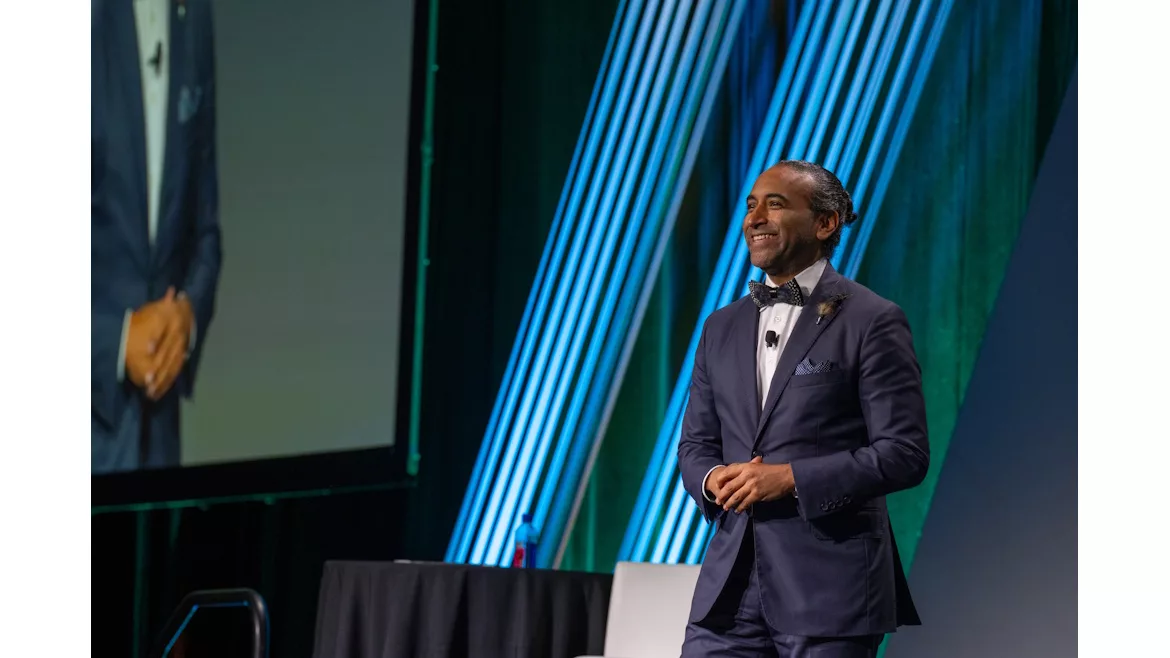
PURPOSE OVER PROFIT: To better serve its members who have yet to make their first million, Nexstar has cut ties with all its PE-backed members.
Nexstar Network just made the kind of move that most companies wouldn’t dare — it walked away from nearly half of its revenue.
How? By proactively cutting ties with every single one of its private-equity-backed members, roughly one-third of its membership base.
Why? Three years ago, these PE-backed companies made up just 10% of Nexstar’s membership base. Today, they account for 30%. This rapid growth forced Nexstar to ask whether or not it was still serving its purpose.
“Nexstar wasn’t built just to maximize revenue,” said Julian Scadden, Nexstar Network’s president and CEO. “It was built to serve people like my past self, the high school dropout who went from digging ditches to owning their own plumbing company and who knew there had to be a better way.”
To the unbeknownst, this decision may seem a little insane. That’s because, according to the modern business rules of society — one that measures success and growth by the numbers — it is.
“More revenue. More members. More everything,” Scadden wrote. “But here's what nobody tells you: Growth without purpose is cancer. It spreads. It consumes. It eventually kills the host.”
Mission Over Revenue
This decision didn’t happen overnight. The organization has been having conversations revolving around mutual benefit and fit for its members since Scadden stepped into his role in 2021.
Looking for quick answers on air conditioning, heating and refrigeration topics? Try Ask ACHR NEWS, our new smart AI search tool. Ask ACHR NEWS
“I was curious about the needs of these organizations, and they were curious about the potential to develop special programs to meet their needs,” Scadden said. “Over time, it became clear that this is the time to refocus on our mission and who we are built to serve.”
Once Nexstar assessed the engagement and resources of its investment-backed members, it found they generally fell into two groups: those with access to capital and centralized systems that no longer required Nexstar’s support, and those operating at a level of business maturity beyond what Nexstar was designed to serve.
At Nexstar, that meant auditing member alignment, calculating the true cost of mission drift, and building financial reserves so the organization could act from a position of strength — not scarcity.
“When you build something that matters, you eventually face a moment of truth: Will you protect your mission or your money?” Scadden said. “Or, is there a way to protect both? There is.”
Protecting The Core
Scadden leaned on what he calls the Sovereignty Decision Framework, a process designed to help business owners protect their core mission, even when it means sacrificing revenue.
“As we analyze engagement of our services with every member based on meeting the needs of these types of memberships, we realized there were gaps,” Scadden said. “It made sense for us to track the trends and consider what best served our mission and the membership at large.”
In Scadden’s recent Substack on the topic, he shared the framework they used in making this decision:
- The Non-Negotiable Principle
Each business has a core mission. But for most, Scadden said, it’s just empty words on a wall and often gets abandoned the moment the numbers (profit) is threatened.
That’s where the non-negotiable comes in: what a business protects even when it could cost them everything. For Nexstar, it’s serving the underdog — the skilled calloused-hand-tech in a van who dreams of owning their own operation one day.
- The Success Paradox
Sometimes a company’s greatest strength can become its biggest weakness. A common pattern: Success brings opportunities that can take away from what made that success, leaving a business owner running a company they never intended.
“We got so good at growing companies that we attracted buyers who didn't need us,” Scadden said. “Our success in creating wealth for our members attracted entities that diluted our entire purpose. … Most people never see this happening. They're too busy celebrating the growth to notice they're growing in the wrong direction.”
- The Decade Decision
A “decade decision” is the kind that may look risky in the short term but keeps the organization aligned for years to come.
“Every decision you make is either for the next quarter or the next decade,” Scadden said. “Quarterly decisions feel safe. They protect today's revenue. They keep everyone comfortable. Decade decisions feel insane. They sacrifice immediate gain for long-term alignment. But it’s actually the quarterly compromise decisions that kill companies.”
- The Anti-Fragile Business Model
Scadden’s been asked, “How can you survive cutting half your revenue?”
And he said this question summarizes exactly what is wrong with how business is thought about today.
“They build fragile systems dependent on every dollar coming in,” Scadden said. “One disruption — it all crumbles. We built differently. For years, we've maintained an investment reserve. Not because we're paranoid. Because we're realistic. There are always external threats to your mission. You either prepare for them or become their victim. This foresight lets us avoid laying people off. It even lets us hire more. Why? That’s how we get better at serving our mission.”
And sometimes, businesses need to stretch themselves a bit. They need to struggle.
“You can't jump high from a standing position,” Scadden said. “You have to bend your knees first.”
Reallocation, Reactions, And Industry Takeaways
So, what happens next? With the decision made, Nexstar is now channeling the time, capital, and coaching resources that were once devoted to its largest members back into the type of business it was built to serve.
“Every business has finite resources: time, energy, attention, capital,” Scadden wrote. “When you try to serve everyone, you serve no one well. By cutting the PE-backed members, we're not losing resources. We're reallocating them to the people who need us.”
Now, the coaches who once spent their time helping millionaires stack millions can focus on guiding technicians as they work toward their very first million. They’re doubling down on core members — the ones who need a playbook, a coach, and a community to help them scale — not just a private-equity exit strategy.
The announcement, unsurprisingly, sparked a strong response from members — many supportive.
“As a tradesman and someone who is passionate about helping others … all I can say is WOW!” wrote Bowen Wheeler, who said his first experience with Nexstar training 13 years ago left a lasting impression. “I still remember, ‘Always enter on a beat.’ It has served me in more ways than I can express.”
Others echoed that sentiment.
“This is why we love partnering with you!” commented Ruchir Shah on Scadden’s Substack.
While many Nexstar members have praised the move, competitors have seen the decision as an opening. Some have tried to frame it as a weakness — even using it as an opportunity to poach members.
“Many conversations have been logical with many members understanding the transition,” Scadden said. “Those that can look past this moment in time and the headlines will see Nexstar members will continue to be attractive to investors, so keeping great relationships makes sense from our side to help our members find the right partners if they choose an acquisition succession.”
Scadden hopes this move sends a broader message to the home services industry.
“I hope that this decision shows our members and other businesses that if your mission is clear, you may be fortunate enough to have new opportunities,” Scadden said. “You must be wise to determine when and how you take on those new endeavors. Nexstar is simply not at a point to create the network to serve investment-backed businesses. I also hope this shines a brighter light on how valuable these businesses are. Every business has multiple exit options for the owner; few have as high of a financial upside as the home services industry.”
And the success of this decision? Well, that’ll be measured the same way the organization has since its inception.
“Success at Nexstar will continue to be benchmarked as it has been for 33 years, on the profitable growth of our members to create more opportunities for the communities they serve,” Scadden said.
Looking for a reprint of this article?
From high-res PDFs to custom plaques, order your copy today!