Guest Column
The Real Labor Shortage Fix? Keep the People You’ve Got
From clear expectations to life-stage support, here’s how HVAC employers can adapt to a new generation of work
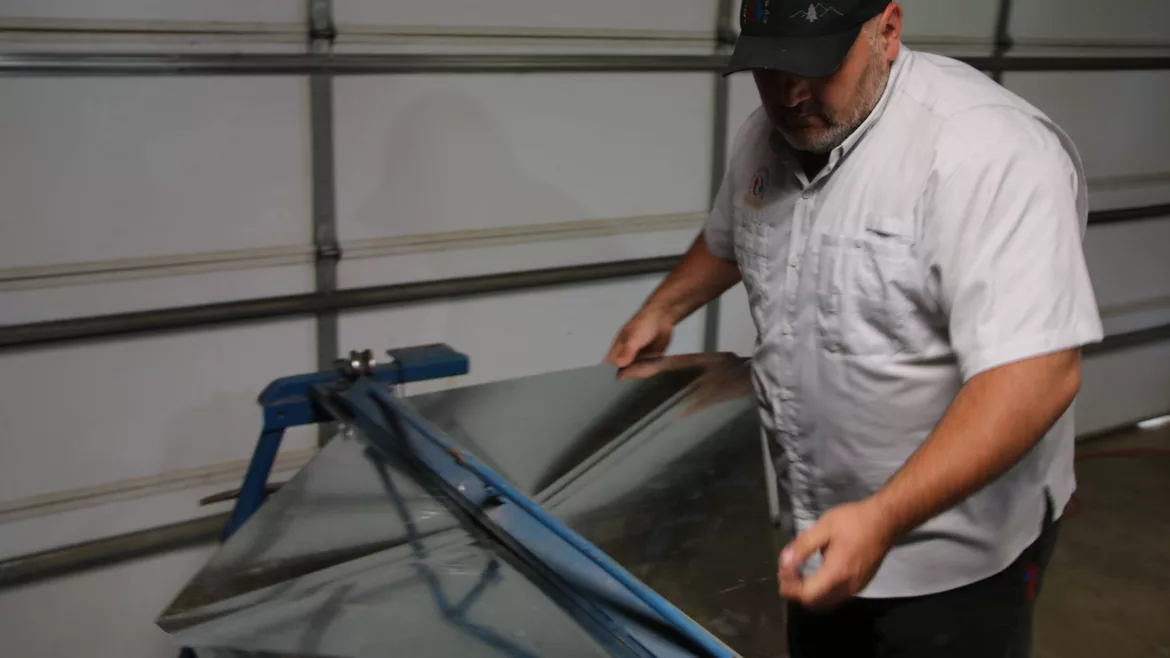
LEARN FROM DOING: A lot of what technicians come to know comes from experience in the field.
The same managers calling Gen Z “entitled” are often the ones losing their best talent every six months. It’s time to stop vilifying Gen Z’s work ethic. They’re not lazy — they’re rational.
This generation has options that previous ones didn’t. Why sacrifice their lives for companies that treat them as disposable? The issue isn’t with young workers. It’s with employers clinging to industrial-era management models and refusing to adapt to a new reality.
Retention is the real game. Companies pour resources into recruitment while neglecting the obvious: Keeping great people is more powerful than constantly replacing them.
Retention speaks volumes. Think about how we celebrate long-term partnerships in life — like a couple married for 50 years. There’s pride in that milestone. People get excited about it. Why? Because it represents endurance through seasons of change, compromise, sunny weather, and storms.
In business, we don’t always value retention the same way. Sure, healthy separations happen. But the percentage should be low — and watched carefully. What’s worth celebrating is the ability to weather challenges together. In a marriage, couples disagree, make sacrifices, and show up for each other. In business, we expect our partners — employees, clients, vendors — to be understanding when we face a down year or need to pivot. Yet when an employee goes through a personal season, some organizations remain rigid.
That rigidity is worth examining.
There’s a fine line between being understanding and being taken advantage of. Many Gen Z workers watched their parents make large sacrifices for companies that didn’t offer pensions or even long-term job security — companies that treated them as disposable when push came to shove. That history shapes expectations. Today’s employees want top pay, flexible hours, and meaningful work. While some of these kinds of demands may seem reasonable, and some may seem out of hand or excessive, what’s driving them is interesting. We should ask: Why are people reacting this way?
Looking for quick answers on air conditioning, heating and refrigeration topics? Try Ask ACHR NEWS, our new smart AI search tool. Ask ACHR NEWS
The best employers understand that things have changed; people’s thoughts about the employer/employee relationship are shifting. Excellent employers support major life milestones — like buying a first home or welcoming a new child. They accommodate family commitments. They show up as partners in their employees’ lives. They focus on results, not arbitrary time commitments.
In any good relationship — personal or professional — expectations must be clear. If you haven’t communicated what success at your company looks like, how can you hold someone accountable for missing the mark?
Have you defined what “good” looks like? What’s the measurement for success? What’s exceptional? What’s unacceptable? These are the conversations we need to be having.
As businesses evolve to become more authentic and transparent, we must also acknowledge the transactional nature of some organizations. Take Google, for example. People want to work there to boost their resumes and command higher salaries elsewhere down the line. It’s not just about team dynamics — it’s a clear transaction: Do this, get that.
Amazon’s warehouse jobs are another example. They offer decent pay and benefits, but if you can’t be physically present, you can’t do the work. That’s a transactional model, and they’re upfront about it. That clarity is a good thing.
Other industries, like home services, have traditionally done well at balancing relationships. Not all, of course, but many are learning to do it better — more effectively and more fairly. It’s about setting clear expectations, valuing long-term tenure, and navigating seasons of change with the talent that helps us achieve our goals.
The future belongs to companies that create environments aligned with actual human needs — not to those clinging to outdated control mechanisms. Retention isn’t just a metric; it’s a reflection of how well we invest in people, how clearly we communicate, and how willing we are to grow through the seasons together.
Looking for a reprint of this article?
From high-res PDFs to custom plaques, order your copy today!