Study Shows NYC Nail Salons Can Slash VOC Exposure with Existing Ventilation
Study highlights impact of proper ventilation on IAQ
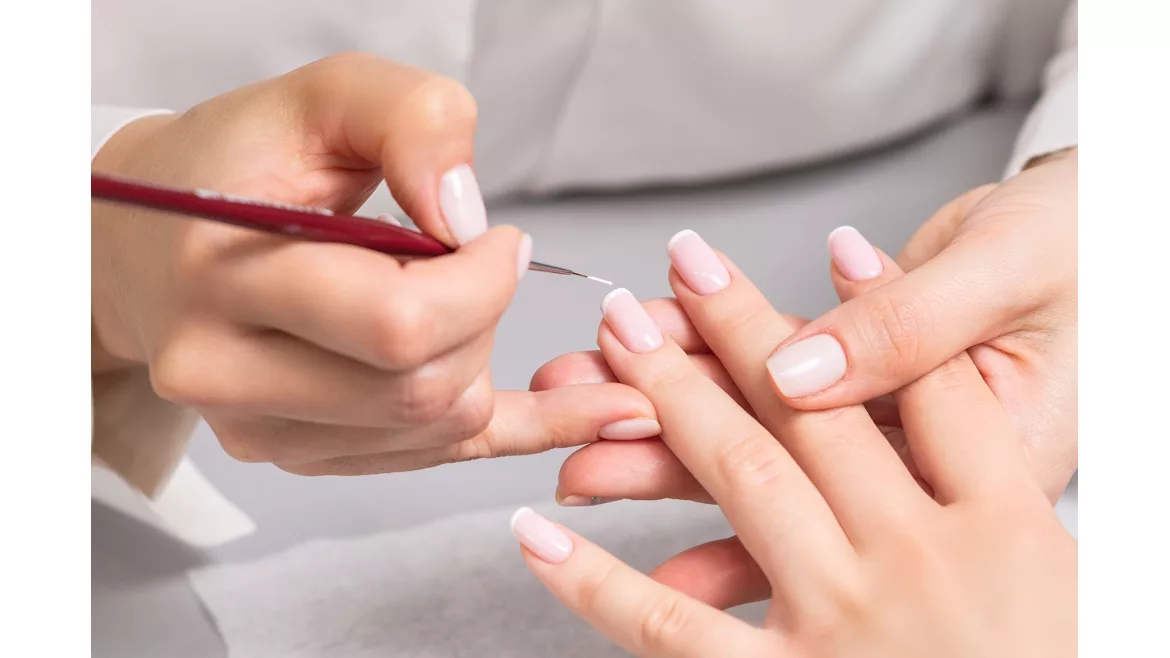
STUDY SAYS: The research examined how tailored ventilation strategies could reduce VOC exposure by making more effective use of the salons’ existing ventilation systems.
HVACR contractors understand the critical role ventilation plays in achieving healthy IAQ — and now nail salon workers, owners, and patrons are taking notice, backed by research.
A study led by researchers at the City University of New York (CUNY) SPH found that taking simple steps to improve the ventilation of NYC nail salons can significantly reduce toxic airborne chemicals, lowering employees’ and frequenters’ exposure to these harmful substances.
Doctoral students Rachel L. Thompson, A. Michael Lerardi, and Samantha Fisher, along with associate professor Brian Pavilonis, conducted a study of six nail salons in Brooklyn, Queens, and Manhattan. They used real-time air quality monitors to measure levels of volatile organic compounds (VOCs) in the air of each nail salon. Using baseline data, the researchers created an exposure report for each salon and developed individualized plans to help staff use existing ventilation systems — or other measures, such as opening windows and doors — more effectively to address declining air quality. They then collected an additional seven days of total volatile organic compound (TVOC) measurements, comparing air quality during operating hours before and after the ventilation interventions.
The study found that when salon owners were trained to optimize existing ventilation, VOC levels fell significantly. One salon in particular, without any existing mechanical ventilation, saw an 82% reduction simply by opening windows and doors.
The results did vary. Salons that used local exhaust ventilation (LEV) and general exhaust ventilation (GEV) saw TVOC reductions of 16.3%-73.8%, while the salons that relied solely on LEV saw no notable changes in TVOC concentrations.
The study noted that, despite a New York State mandate since 2015 requiring LEV and GEV in nail salons, compliance is a struggle. The research, therefore, examined how tailored ventilation strategies could reduce VOC exposure by making more effective use of the salons’ existing ventilation systems.
"Simple changes in how existing systems are used can substantially improve air quality, but without proper education, many workers and owners don't realize what's possible,” lead author Thompson said to Medical Xpress.
Their findings have since been published in the American Journal of Industrial Medicine.
Looking for quick answers on air conditioning, heating and refrigeration topics? Try Ask ACHR NEWS, our new smart AI search tool. Ask ACHR NEWS
Looking for a reprint of this article?
From high-res PDFs to custom plaques, order your copy today!