ACHR News
search
Ask ACHR NEWS AI
cart
facebook twitter instagram linkedin youtube
  • Sign In
  • Subscribe
  • Sign Out
  • My Account
ACHR News
  • NEWS
    • Breaking News
    • New HVAC Products
    • Featured Products
    • Manufacturer Reports
    • HVAC Data
    • Legislation
    • ACHR NEWS Centennial
  • RESIDENTIAL
    • Air Conditioners
    • Furnaces
    • Residential Heat Pumps
    • Ductless
    • Residential IAQ
    • Testing, Monitoring, Tools
    • Components & Accessories
  • COMMERCIAL
    • Air Handlers
    • Rooftop Units
    • Chillers and Cooling Towers
    • Commercial Heat Pumps
    • Boilers and Hydronics
    • VRF/Ductless
    • Commercial IAQ
  • REFRIGERATION
    • Refrigerants
    • Refrigerant Regulations
    • Leak Management
  • CONTRACTOR PRO
    • Geothermal
    • Homeowner Study
    • VRF and VRV Ductless
    • Unitary Trends
  • EDUCATION
    • Training and Education
    • Business Management
    • Service and Maintenance
    • Continuing Education
    • Market Research >
      • HVAC Brand Awareness Report
      • VRV, VRF, VRVZ Report
      • Unitary Trends Report
      • Water Heat Professionals Report
    • Webinars
    • Sponsor Insights
    • eProducts Info
    • White Papers
  • EVENTS
    • HVAC Contractor Forum
    • Industry Events and Webinars
  • MEDIA
    • Videos
    • AHR Expo 2025 Videos
    • Podcasts >
      • ACHR News Podcast
      • HARDI Podcasts
      • AHR Expo Podcasts
      • ACCA Podcasts
    • Interactive Spotlights
    • Quizzes
    • eBooks
    • HVAC Talkback
  • HVAC GROUP
    • ACHR NEWS >
      • Current Issue
      • Digital Edition
      • Subscribe
    • Distribution Trends
    • SNIPS NEWS >
      • Join SNIPS NEWS
    • Engineered Systems News >
      • Join ES News
    • HVACR Directory
    • Contests
    • Newsletters
    • Contact
    • Advertise
    • My Account
NewsRefrigerationRefrigerants

FROSTlines

Navigating the Transition to Natural Refrigerants

Contractors can help customers future-proof their refrigeration systems with CO₂ and ammonia
By Tania Herrera
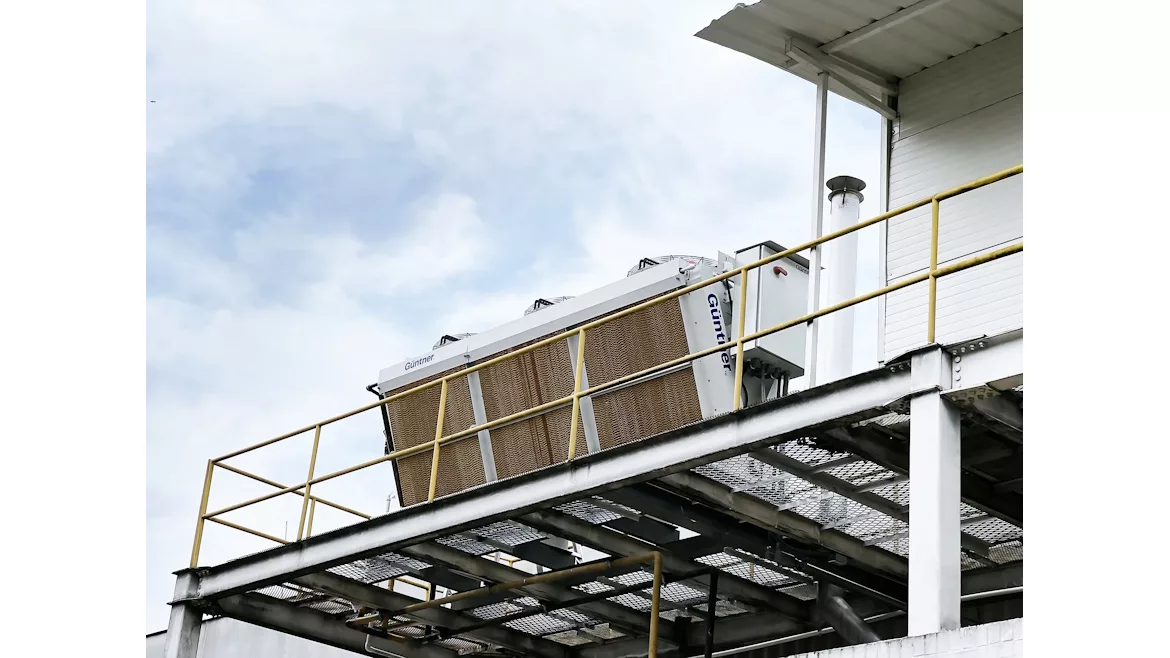
Guntner-ADIABATIC-CONDENSER-V-SHAPE-COMPACT
Courtesy of Guntner

MAINTAINING PERFORMANCE: The use of adiabatic gas coolers can play a significant role in maintaining performance across varying climates. 

August 6, 2025

Refrigeration is changing. Not five years from now, not 10. It’s happening now. The push for natural refrigerants is picking up speed, and HVACR contractors are at the forefront of this transition. Whether it's supermarkets phasing out synthetic refrigerants or industrial cold storage operations reconsidering ammonia use, every project, every client, every retrofit presents a choice. And getting that choice right isn’t just about compliance. It’s about performance, long-term costs, and making sure today’s solution doesn’t turn into tomorrow’s problem.

So, where do you start?


Choosing A Natural Refrigerant

The shift to natural refrigerants is being driven by a mix of regulatory mandates, environmental responsibility, and long-term cost considerations. For HVACR contractors, understanding these three key forces is key to helping clients make informed, future-ready decisions:

  • Regulations: Policies like the AIM Act in the U.S. and the European Union’s F-gas regulation are phasing down high-GWP synthetic refrigerants. Staying ahead of these changes is critical when designing or retrofitting systems.
  • Environmental, social, and governance (ESG) concerns: More companies are aligning with sustainability goals and ESG standards. With near-zero GWP and no ozone-depletion potential, natural refrigerants like CO₂ and ammonia are better aligned with corporate climate commitments.
  • Financial impact: Synthetic refrigerant systems may face rising costs or early obsolescence as regulations tighten. Natural refrigerants increasingly offer a lower total cost of ownership -- especially as technology improves and financial institutions favor climate-conscious investments.

When it comes to choosing the right natural refrigerant for a commercial or industrial refrigeration system, there’s no one-size-fits-all. Different applications require different refrigerants, but the most widely used options are carbon dioxide (CO₂) and ammonia (NH₃).

CO₂ is increasingly used in supermarkets and other commercial settings due to its efficiency in transcritical systems. However, its high operating pressure requires specialized system design and components. A key consideration for CO₂ systems – which sets them apart from other refrigerants -- is the need for high-pressure-rated components throughout.

To optimize performance, especially in high ambient conditions, CO₂ system designs often integrate parallel compression and, in some cases, ejectors to improve energy efficiency. The use of adiabatic gas coolers also plays a significant role in maintaining performance across varying climates. Additionally, smart control systems are highly recommended to enhance system reliability and ensure stable, efficient operation.

Ammonia is commonly used in industrial refrigeration because of its excellent thermodynamic properties and zero GWP. Safety measures must be in place to mitigate toxicity risks, particularly in populated areas. Best practices for ammonia systems include proper ventilation, gas detection and alarm systems, and designated containment areas. Machine rooms should be equipped with emergency exhaust systems, and all piping and equipment must be clearly marked and secured -- color coding is commonly used. Following IIAR, ASHRAE, and OSHA process safety management (PSM) standards is encouraged to ensure both safe and smooth operation.

In recent years, there’s been a growing trend toward low-charge ammonia systems and secondary loop systems to reduce the total amount of refrigerant on-site. Just as critically, proper personnel training in system operation, maintenance, and emergency procedures remain a cornerstone of safe ammonia use.

Looking for quick answers on air conditioning, heating and refrigeration topics? Try Ask ACHR NEWS, our new smart AI search tool. Ask ACHR NEWS →

Understanding each refrigerant allows contractors to recommend the right solutions to their customers -- ones that balance energy efficiency, safety, and compliance with current and future regulations.


Supporting Customers

Many food retailers face the challenge of transitioning from legacy refrigeration systems designed for less sustainable synthetic refrigerants. While it may seem straightforward to retrofit outdated systems, the process often involves rethinking the entire refrigeration strategy -- not just swapping out the refrigerant. HVACR contractors play a critical role in evaluating and implementing solutions that minimize operational disruptions while ensuring long-term viability.

A recent retrofit project in Asia involved a decades-old cold storage facility originally designed for R-22 that was converted to a transcritical CO₂ system to comply with tightening environmental regulations and enhance energy efficiency. Due to the facility’s location in a coastal, high-humidity climate, careful consideration was given to equipment durability and thermal performance.

Components such as gas coolers with advanced corrosion-resistant coatings and high-efficiency fans were selected to ensure reliable operation in harsh conditions. The project demonstrates how natural refrigerants can be successfully integrated into existing infrastructure when supported by a thoughtful design and equipment strategy.

Businesses know that regulations are in flux, and they need solutions that balance compliance while also being cost-effective. Contractors who take a proactive approach will help clients navigate this shift with confidence. This approach may include:

  • Conducting cost analysis: Helping clients understand long-term cost implications, including installation, maintenance, and energy savings;
  • Providing regulatory guidance: Ensuring businesses remain informed and compliant with new regulations and standards;
  • Tailoring system designs: Creating refrigeration solutions that meet the customer’s needs while optimizing performance, sustainability, and safety; and
  • Educating clients for the long-term: Developing phased retrofit plans that minimize downtime and align with budgets.


The Future Is Here

Natural refrigerants are not just a trend -- they’re the future. As technology advances, they are becoming increasingly more competitive with synthetic alternatives in terms of cost, performance, and regulatory compliance. Many large-scale food retailers have already begun widespread adoption of CO₂ systems, leading the way in commercial facilities, while ammonia remains dominant in industrial cooling.

For HVACR contractors, the transition to natural refrigerants isn’t just about installing what works now, but about setting up systems that will remain viable for years to come. By staying informed on regulations, best practices, and new technological advances, contractors can position themselves as essential partners in the industry’s shift toward sustainable refrigeration solutions.

KEYWORDS: CO2 refrigeration FROSTlines natural refrigerants refrigerant regulations

Share This Story

Looking for a reprint of this article?
From high-res PDFs to custom plaques, order your copy today!


Guntner tania herrera portrait copy

Tania Herrera graduated as a food engineer from the Universidad Nacional Autónoma de México (UNAM) before joining Guntner in 2018. Transitioning from application engineer to product engineer and key account manager, Tania's expertise lies in industrial and commercial refrigeration, with a focus on CO2 solutions and natural refrigerants.

Recommended Content

JOIN TODAY
To unlock your recommendations.

Already have an account? Sign In

  • HVAC-enrollment

    The Trades Are Back: HVACR Programs See Nearly 30% Enrollment Spike

    A new wave of future technicians is entering the pipeline.  
    News
    By: Matt Jachman
  • 2025 Top 40 Under 40

    2025 Top 40 Under 40 HVACR Professionals List

    The 11th annual Top 40 Under 40 list highlights those...
    HVAC Contracting
    By: Hannah Belloli-Oster
  • LG Ductless Mini-Split Systems

    The 9 Types of Heat Pumps

    As the U.S. moves toward electrification, heat pumps are...
    Heat Pumps
    By: Joanna R. Turpin
Subscription Center
  • Create an Account
  • Start a Subscription
  • Manage My Account
  • Sign Up for Newsletters
  • Visit Customer Service
  • Update Preferences

More Videos

Sponsored Content

Sponsored Content is a special paid section where industry companies provide high quality, objective, non-commercial content around topics of interest to The News audience. All Sponsored Content is supplied by the advertising company and any opinions expressed in this article are those of the author and not necessarily reflect the views of The News or its parent company, BNP Media. Interested in participating in our Sponsored Content section? Contact your local rep!

close
  • Piggy Bank
    Sponsored byWatercress Financial

    Energy Prices, Inflation, and HVAC: What Today’s Homeowners Care About

  • Refrigerated Food
    Sponsored bySolstice Advanced Materials

    R-455A Refrigeration: A Cold Storage Solution for the Future

  • Airex Rooftop Units
    Sponsored byAirex Manufacturing Inc

    Consolidating Roof Penetrations: A Growing Trend in Multifamily HVAC Design

Popular Stories

HVAC-Price-Increase-graphic

HVAC Price Increase List: June 2026

Trump-Section-232.jpg

Trump Reduces Section 232 Tariffs on HVAC Equipment to 15%

R410A-Refrigerant-Cylinder.jpg

Refrigerant Recovery is a Revenue Opportunity

Heat-pump-cutaway.jpg

PFAS Rules and A2L Building Codes Continue to Evolve

Midea-training.jpg

HVAC Workforce Crisis Expands Beyond Technicians to Instructor Shortages

View The ACHR NEWS
Centennial Anniversary Timeline

The ACHR News Timeline Chart
Submit a Letter
Submit a letter to our editors.

Events

November 6, 2025

Next-Gen Data Center Cooling: HVAC Innovation and Real-World Solutions

On Demand As AI workloads and high-density computing push traditional cooling methods to their limits, the data center industry is accelerating the adoption of next-generation HVAC technologies.

June 17, 2026

Decarbonization Without Disruption

This webinar will explore practical HVAC decarbonization strategies that minimize disruption while maximizing long-term performance and ROI.

View All Submit An Event

Poll

Summer Staff

Are you fully staffed for the summer season?
View Results Poll Archive

Products

BNI Mechanical/Electrical Square Foot Costbook, 2026 Edition

BNI Mechanical/Electrical Square Foot Costbook, 2026 Edition

See More Products
Decarbonization Without Disruption - Free Webinar - 6/17/2026

Related Articles

  • ALDI Storefront

    ALDI Plans To Transition To Natural Refrigerants

    See More
  • March 11, 2009: ASHRAE Position Document Outlines Commitment to Natural Refrigerants

    See More
  • Dec. 23, 2014: Nestlé to Use Natural Refrigerants for All New Ice Cream Freezers

    See More

Related Products

See More Products
  • quick guide.png

    Quick Guide to Refrig Cycle, Refrigerants, Components

  • The ACHR News - April 20, 2026

    ACHR NEWS April 20, 2026, Issue

See More Products

Related Directories

  • Guntner U.S. LLC

    Güntner is a world-leading company with over 90 years of leading engineering solutions in heating and cooling systems, offering a wide variety of air coolers, dry coolers, evaporative condensers, gas coolers etc.
  • North American Sustainable Refrigeration Council

    An action-oriented environmental nonprofit working with the grocery refrigeration industry to eliminate barriers to natural refrigerants and enable their widespread adoption across U.S. grocery stores.
×

Sign Up. Stay Informed.

The #1 trusted source for the HVACR industry since 1926

SUBSCRIBE
  • RESOURCES
    • Advertise
    • Contact Us
    • Advisory Board
    • Classifieds
    • Submit a Letter
    • Directories
    • Store
  • ACCOUNT CENTER
    • Create an Account
    • Start a Subscription
    • Manage My Account
    • Sign Up for Newsletters
    • Visit Customer Service
    • Update Preferences
  • SERVICES
    • Marketing Services
    • Reprints
    • Market Research
    • List Rental
    • Survey/Respondent Access
  • STAY CONNECTED
    • LinkedIn
    • Facebook
    • Instagram
    • YouTube
    • X (Twitter)
  • PRIVACY
    • PRIVACY POLICY
    • TERMS & CONDITIONS
    • DO NOT SELL MY PERSONAL INFORMATION
    • PRIVACY REQUEST
    • ACCESSIBILITY

Copyright ©2026. All Rights Reserved BNP Media, Inc. and BNP Media II, LLC.

Design, CMS, Hosting & Web Development :: ePublishing