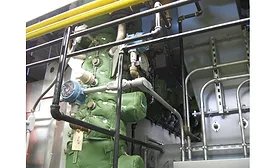
Shannon Enterprises of W.N.Y. Inc. has helped George Mason University save more than $1 million since 2009 with an insulation solution for the university’s heating and cooling system. The university’s energy manager calculated the milestone based on annual energy savings accumulated from using a self-contained, reusable insulation system.
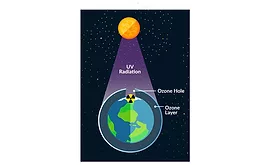
When I started in this industry, there were three common refrigerants: R-12 for medium temperature applications, R-22 for air conditioning and R-502 for low temperature systems. I have not seen a white or purple cylinder of refrigerant for quite a while. These refrigerants were based on three elements - chlorine, fluorine, and carbon for CFCs like R-12 and R-502; and hydrogen, chlorine, fluorine, and carbon for HCFCs like R-22.
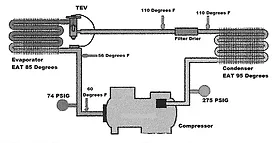
This troubleshooting problem involves a 5-ton, R-22 rooftop air conditioning unit, and the customer’s complaint is that on days when the ambient temperature exceeds 90°F, the system doesn’t keep the store, which was recently remodeled, comfortable even though it seems to be running continuously.
Comfort Institute released finding from a new study that indicates leaks in ductwork located in conditioned space can have a significant impact on energy savings. The study, conducted by Comfort Institute in combination with the Greater Cincinnati Energy Alliance (GCEA), showed that the amount of conditioned air seeping through the building envelope and escaping to the outside of the home was reduced by an average of 11.4 percent after the ducts were effectively sealed.
Good customer service is vital for any HVACR company looking to experience business success.
Time management is key, customer-friendly explanations are valued and following up after job completion goes a long way. But what about call handling?
According to a survey of over 200 contractors, the top three fleet concerns for service businesses are labor costs, fuel costs, and vehicle maintenance.
Each of these business challenges provides their own unique issues to service businesses with fleets of any size. The common thread between these challenges is a lack of accountability with the drivers. If there’s no system of monitoring behavior and keeping track of certain information, then how do you know what is causing each of these types of pain points?
As the overall economy continues to expand and improve, in virtually every industry employers are finding it increasingly difficult to hire employees. The number of baby boomers reaching retirement age, estimated to be almost 10,000 each day, makes the labor shortage even more acute. In addition to the loss of their services, baby boomers who leave take with them institutional knowledge, operational know-how and informed best practices that may be difficult or even impossible to replace. Such losses are likely to continue for at least several more years if not longer.
Being a contractor isn’t an easy job by any means, there’s no doubt about it. When it comes to renovation projects and whatnot, the process differs a lot from field to field. However, some things always stay the same. Regardless of whether your profession has to do with HVAC, electrical, or plumbing, you’ve most likely noticed that clients tend to have similar concerns.
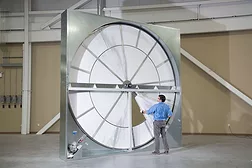
Georgia Tech has an ongoing commitment to sustainable design and architecture. At their Atlanta campus, the University has invested in advanced Energy Recovery Ventilation (ERV) systems to provide comfortable and energy efficient indoor environments for more than 23,000 enrolled students.
Bob and Tim arrive at the jobsite of a new customer. The customer is the owner of a shopping center that has a branch post office as one of its tenants. The complaint has been that the system is not controlling the indoor temperature in the postal facility. Tim tells Bob as they are arriving that the service ticket says that they are to service a 20 ton split system that uses a hot water coil for heating and an air conditioning coil and condensing unit for cooling. They are to do routine maintenance on the entire system.
 RSS
RSS