HVAC Trade Groups Back Bill to Change Regional Efficiency Compliance
Proposed legislation would base compliance on the date of manufacture instead of installation
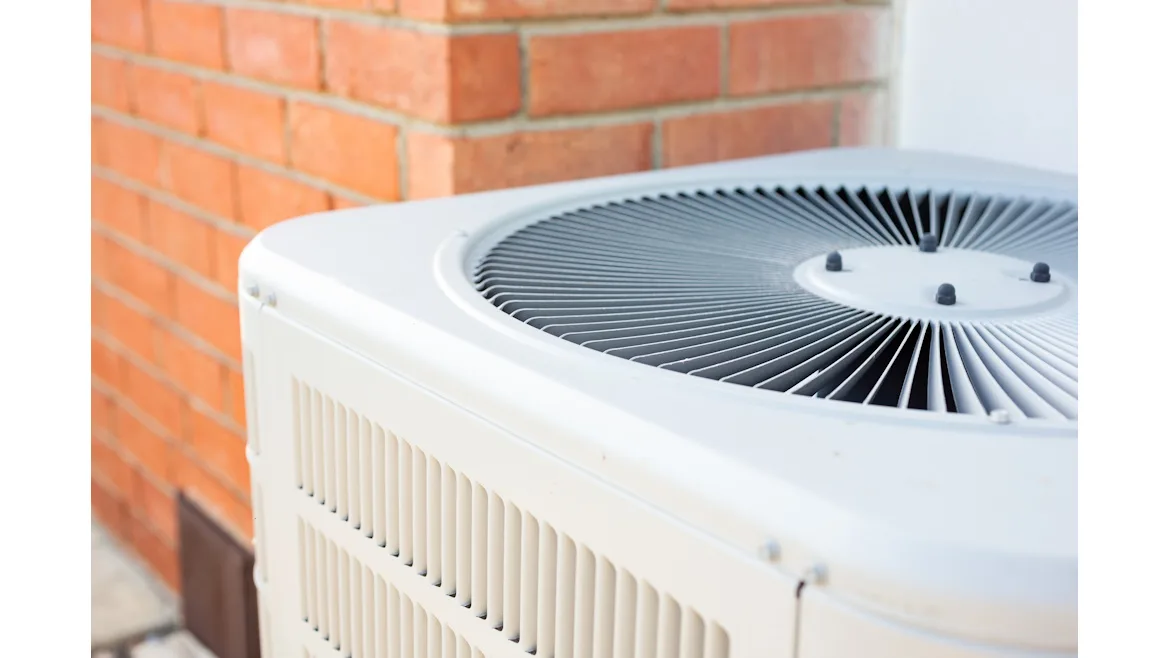
COMPLIANCE COMPLEXITY: The legislation would provide greater certainty throughout the HVAC supply chain while reducing unnecessary costs and complexity during future efficiency standard transitions, supporters said.
A bipartisan Senate bill would shift compliance for regional HVAC energy efficiency standards from the date equipment is installed to the date it is manufactured, a move backed by four major HVACR trade associations.
The SMART Energy Efficiency Standards Act (S. 4892), introduced by Sen. Joni Ernst, R-Iowa, would amend the Energy Independence and Security Act of 2007 by making the date of manufacture the compliance benchmark for regional efficiency standards covering furnaces, central air conditioners, and heat pumps.
In a joint statement, the Air Conditioning Contractors of America, Air-Conditioning, Heating, and Refrigeration Institute, Heating, Air-conditioning & Refrigeration Distributors International, and Plumbing-Heating-Cooling Contractors—National Association said the legislation would reduce confusion and ease compliance burdens for manufacturers, distributors, and contractors.
Under current U.S. Department of Energy regulations, compliance with regional energy efficiency standards is based on the date equipment is installed rather than when it is manufactured.
In a letter supporting the legislation, the organizations said that structure can leave equipment that was legally manufactured, purchased, and distributed unable to be installed after new regional standards take effect.
“Under current law, compliance with regional energy efficiency standards is based on the date equipment is installed rather than the date it is manufactured,” the coalition wrote. “This creates unnecessary complexity throughout the HVAC supply chain by effectively causing otherwise fully compliant equipment to expire after it has been legally manufactured, purchased, and distributed.”
The organizations said changing compliance to the date of manufacture would shift responsibility to manufacturers while allowing products already in the distribution pipeline to continue to be sold and installed, preventing equipment from becoming stranded inventory.
Looking for quick answers on air conditioning, heating and refrigeration topics? Try Ask ACHR NEWS, our new smart AI search tool. Ask ACHR NEWS
Alex Ayers, vice president of government affairs at HARDI, said the proposal would also align regional HVAC efficiency standards with most other federal energy efficiency programs, which already use the date of manufacture for compliance.
“It would align how contractors transition split-system air conditioners with how other energy efficiency programs operate,” Ayers said. “The point is to make it seamless for contractors so it no longer affects their business operations.”
If the legislation becomes law, Ayers said contractors and distributors would no longer face “dead inventory” created when equipment manufactured before a standards change becomes ineligible for installation afterward. He added that using the date of manufacture for compliance would create a consistent approach for future regional efficiency standard transitions across all covered equipment.
The coalition said the legislation would provide greater certainty throughout the HVAC supply chain while reducing unnecessary costs and complexity during future efficiency standard transitions.
The bill has been referred to the United States Senate Committee on Energy and Natural Resources for consideration.
Looking for a reprint of this article?
From high-res PDFs to custom plaques, order your copy today!