HARDI, PHCC Defend EPA Rules on HFC Allocations
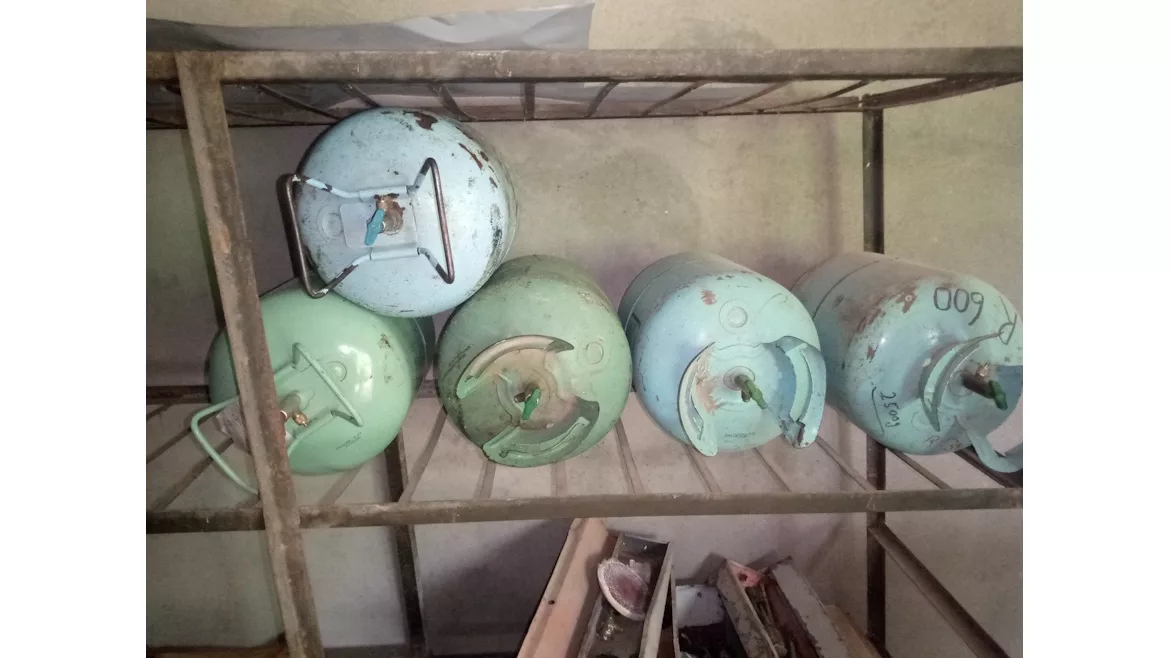
COURT ACTION: Heating, Air-conditioning & Refrigeration Distributors International (HARDI) and the Plumbing-Heating-Cooling Contractors–National Association (PHCC) have filed a brief with the U.S. Supreme Court that supports Environmental Protection Agency rules on the allocation of hyrdofluorocarbons.
WASHINGTON — Two HVACR trade organizations have filed an amicus brief with the U.S. Supreme Court in support of Environmental Protection Agency (EPA) rules guiding bulk HFC allocations, rules established to assist in the phasedown of HFCs, which are used in refrigerants.
The case, RMS of Georgia LLC d/b/a Choice Refrigerants v. Environmental Protection Agency, challenges the HFC allocation rules established through the American Innovation and Manufacturing (AIM) Act, which governs the HFC phasedown. The amicus brief was filed by Heating, Air-conditioning & Refrigeration Distributors International (HARDI) and the Plumbing-Heating-Cooling Contractors–National Association (PHCC).
The AIM Act directs EPA to reduce HFC production and consumption by 85% below historical baseline levels by 2036, with phasedown limits set by Congress. The EPA issued regulations that allocate refrigerant production and consumption allowances to market participants based on their historical production and importing of HFCs. HFCs, or hydrofluorocarbons, are being phased out of refrigerants and other products because of their potential to contribute to global warming.
The HARDI-PHCC brief warns that invalidating the AIM Act's allowance allocation provisions would create serious disruption across the HVACR supply chain at a critical point in the industry's transition to next-generation refrigerants, a press release from HARDI said.
“The HVACR industry needs clear, predictable rules to make major investments in equipment, supply chains, storage, training, and customer support,” said Alex Ayers, vice president of government affairs at HARDI. “The AIM Act provides that certainty, and disrupting the allocation rule now would create confusion across the supply chain and make it harder for distributors and their customers to manage the refrigerant transition.”
The brief also notes that EPA has used similar market-based allowance systems for prior refrigerant transitions under the Clean Air Act, and that Congress modeled the AIM Act on those earlier programs. HARDI and PHCC argue that this history makes the case a poor vehicle for reconsidering broader constitutional questions about agency authority.
“HVACR contractors are on the front lines of this transition, working to install and service equipment designed for the new generation of refrigerants,” said Chuck White, vice president of regulatory affairs at the PHCC. “We need to maintain a stable transition to avoid disruption and higher costs for contractors and consumers alike.”
HARDI and PHCC urged the Supreme Court to deny the plaintiff's request that it hear the case. The plaintiff's appeal is also opposed by the federal government, the Air-Conditioning, Heating, and Refrigeration Institute (AHRI), and the Alliance for Responsible Atmospheric Policy.
Looking for a reprint of this article?
From high-res PDFs to custom plaques, order your copy today!