Guest Column
20 Surges a Day: The Hidden Risk Facing Inverter HVAC
High-efficiency HVAC systems save energy, but poor power quality can destroy them in seconds
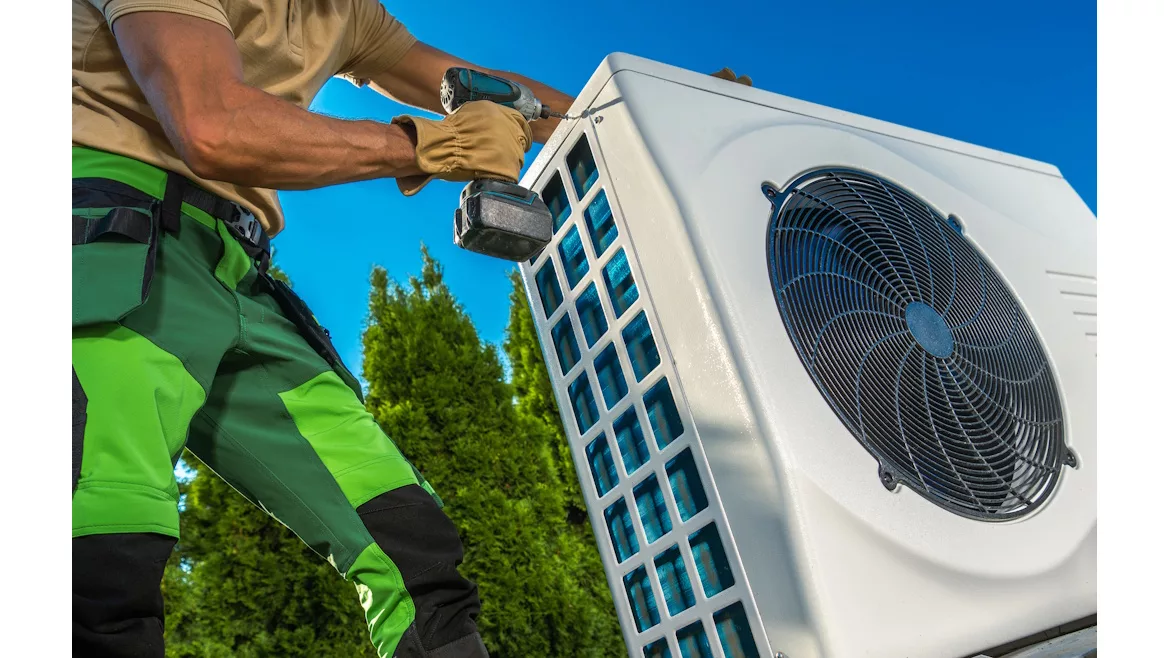
SUDDEN JOLT: The same electronics that make inverter HVAC systems efficient also make them vulnerable to poor power quality, from brief surges to sustained voltage problems.
Modern inverter-driven HVAC systems deliver unprecedented energy efficiency and comfort control, but they come with a hidden vulnerability: sensitivity to power quality issues. While traditional HVAC equipment could tolerate electrical anomalies, today's sophisticated inverter technology operates within narrow voltage tolerances that make it susceptible to three critical threats:
- Surge Transients: Brief, high-voltage spikes that can instantly destroy sensitive electronics
- Brownouts/Undervoltage: Voltage sags that cause nuisance shutdowns, stress, and permanent damage to components
- Extended Overvoltage: Sustained high voltage that accelerates equipment degradation by generating damaging heat levels
This article examines the statistical reality of these power quality problems. It explains why surge protection and voltage monitoring are no longer optional accessories—they're essential insurance for your customers' HVAC investment.
The Inverter Revolution in HVAC
Inverter-driven HVAC systems have transformed the industry by replacing fixed-speed compressors with variable-speed technology. By continuously adjusting compressor speed to match cooling or heating demand, these systems achieve:
- 30-50% energy savings compared to conventional systems
- Superior temperature control (±0.5°F vs ±2-3°F)
- Quieter operation and extended equipment life
- Compliance with modern energy codes (ASHRAE 90.1, Title 24)
However, this efficiency comes at a cost: complexity. Inverter systems rely on sophisticated power electronics, including:
- Rectifiers that convert AC to DC power
- Inverter circuits using IGBTs (Insulated Gate Bipolar Transistors) to create variable-frequency AC
- Microprocessor controls that manage compressor speed, refrigerant flow, and system diagnostics
- Capacitors and DC bus systems that maintain a stable voltage
Each of these components operates within precise voltage and temperature specifications. When power quality degrades, these sensitive electronics are the first casualties.
The Three Hidden Threats
1. SURGE TRANSIENTS: The Silent Equipment Killer
THE STATISTICS:
- An average home experiences 20+ transient surges per day (IEEE Std 1100-2005)
- 80% of surges originate inside the building from equipment cycling (FCC/Dranetz-BMI Studies)
- 300V-600V surges can damage electronics rated for only 120-240V (IEEE C62.41)
- Lightning causes 1,000+ overvoltage events annually in storm-prone regions (NOAA National Lightning Detection Network)
WHAT ARE THEY?
Surge transients are brief overvoltage events that last from microseconds to milliseconds. They're caused by:
Looking for quick answers on air conditioning, heating and refrigeration topics? Try Ask ACHR NEWS, our new smart AI search tool. Ask ACHR NEWS
- Lightning strikes (external)
- Utility switching operations (external)
- Large motor startups, such as elevators, chillers, air compressors (internal)
- Welding equipment and elevators (internal)
- Grid switching and capacitor bank operations (external)
WHY INVERTERS ARE VULNERABLE: Traditional HVAC contactors and mechanical controls could withstand voltage spikes. Inverter circuits cannot. The IGBTs and microprocessors in modern systems have junction tolerances measured in volts, not hundreds of volts. A single surge event can:
- Punch through insulation in IGBTs, creating permanent short circuits
- Corrupt firmware in control boards
- Destroy gate drive circuits
- Damage DC bus capacitors
THE REAL COST: Inverter board replacement typically costs up to 40% of the entire system's value.
2. BROWNOUTS/UNDERVOLTAGE: The Comfort Killer
THE STATISTICS:
- Typical businesses experience voltage sags or dips weekly or even daily (EPRI Power Quality Studies)
- Approximately 92% of power quality problems are voltage sags and interruptions (IEEE Std 1159)
- HVAC equipment can fail with voltage drops of just 10-15% lasting 1 second or longer (NEMA MG-1)
WHAT ARE THEY?
Brownouts are sustained periods of reduced voltage lasting more than one minute, typically ranging from 85% to 95% of the nominal voltage. Voltage sags (or dips) are brief power drops lasting from a few cycles to several seconds. Common causes include:
- Utility load management during peak demand
- Nearby industrial load startups
- Transformer saturation
- Weak utility infrastructure
- Storm-related grid stress
WHY INVERTERS ARE VULNERABLE: Inverter systems require a stable DC bus voltage to maintain precise compressor control. When the input voltage drops:
- The rectifier can't maintain an adequate DC bus voltage, and the lower supply voltage causes higher current draw and damage to semiconductor components
- The inverter cannot generate a proper output frequency/voltage
- Compressor torque decreases, potentially causing a stall
- Control systems detect fault conditions and shut down
Unlike traditional systems that might run slower, inverters typically shut down entirely to protect themselves, resulting in:
- Loss of cooling/heating
- Service calls and truck rolls
- Tenant complaints
- Manual resets required
- Reduced equipment confidence
HIDDEN DAMAGE: Repeated voltage sag events cause cumulative stress on DC bus capacitors, shortening their operational life from 15+ years to 7-10 years.
3. EXTENDED OVERVOLTAGE: The Silent Lifespan Thief
THE STATISTICS:
- 5-10% overvoltage can reduce equipment lifespan by 50% (IEEE C62.41/Dranetz-BMI)
WHAT IS IT?
Extended overvoltage occurs when the supply voltage exceeds the nominal value by 5% or more for minutes, hours, or continuously. Causes include:
- Utility voltage regulation problems
- Undersized utility transformers
- Loss of neutral connections
- Unbalanced three-phase loads
- Improperly configured buck-boost transformers
WHY INVERTERS ARE VULNERABLE: High voltage accelerates three destructive processes:
- Capacitor Degradation: Electrolytic capacitors in DC bus circuits experience exponential wear and tear. A 10% increase in voltage can double the degradation rate.
- Thermal Stress: Higher voltage increases current in semiconductor devices, generating excess heat. IGBTs operating at elevated temperatures experience accelerated junction degradation.
- Insulation Breakdown: Sustained overvoltage stresses dielectric materials in windings and printed circuit boards, leading to eventual failure.
THE FINANCIAL IMPACT: An inverter system designed for a 15-year life may require replacement in 7-8 years due to chronic overvoltage. Multiply this across a facility with multiple systems, and the cost becomes staggering.
The Solution:
1. Multi-Stage Surge Protection from Surge Protectors
- Service entrance protection (Type 1) for lightning and utility transients
- Distribution panel protection (Type 2) for secondary defense
- Point-of-use protection (Type 3) at HVAC equipment terminals
The better surge protectors use advanced Metal Oxide Varistor (MOV) technology to divert surge energy to ground in nanoseconds—before it reaches your sensitive inverter electronics. With response times under one nanosecond and the ability to handle surge currents exceeding 50,000 amps, RSH™ devices provide industrial-grade protection in a compact, HVAC-friendly package.
2. Real-Time Voltage Monitoring
Voltate Range Monitors provide continuous power quality surveillance:
- Real-time voltage level tracking
- Configurable overvoltage/undervoltage alerts
- Power quality event logging and analysis
- Diagnostic data for predictive maintenance
Voltage monitoring systems provide visibility into the electrical environment in which your HVAC equipment operates, enabling you to identify problems before they lead to failures.
3. Automated Voltage Protection
Voltage Range Monitoring Systems actively protect equipment:
- Automatic disconnection during dangerous voltage conditions
- Smart reconnection when power quality normalizes
- Brownout ride-through for brief sags
- Remote monitoring and instant notifications
- Complete power quality documentation for warranty claims
Conclusion
The HVAC industry's transition to inverter technology has delivered remarkable energy savings, but it has also created new vulnerabilities. The statistics are clear:
- Your equipment faces 20+ surge events daily
- You'll experience multiple voltage sags monthly
- Chronic overvoltage cuts equipment life in half
The question isn't whether power quality problems will affect your HVAC systems, but when or how much it will cost.
Surge protection and voltage monitoring aren't expensive add-ons; they're essential insurance that protects both your capital investment and operational reliability. In an era where a single inverter board costs thousands of dollars and downtime creates cascading business costs, it’s easily affordable to protect your systems.
Looking for a reprint of this article?
From high-res PDFs to custom plaques, order your copy today!