FROSTlines
Retrofitting Fixed-Speed Refrigeration Compressors
Several options are available that can improve system performance
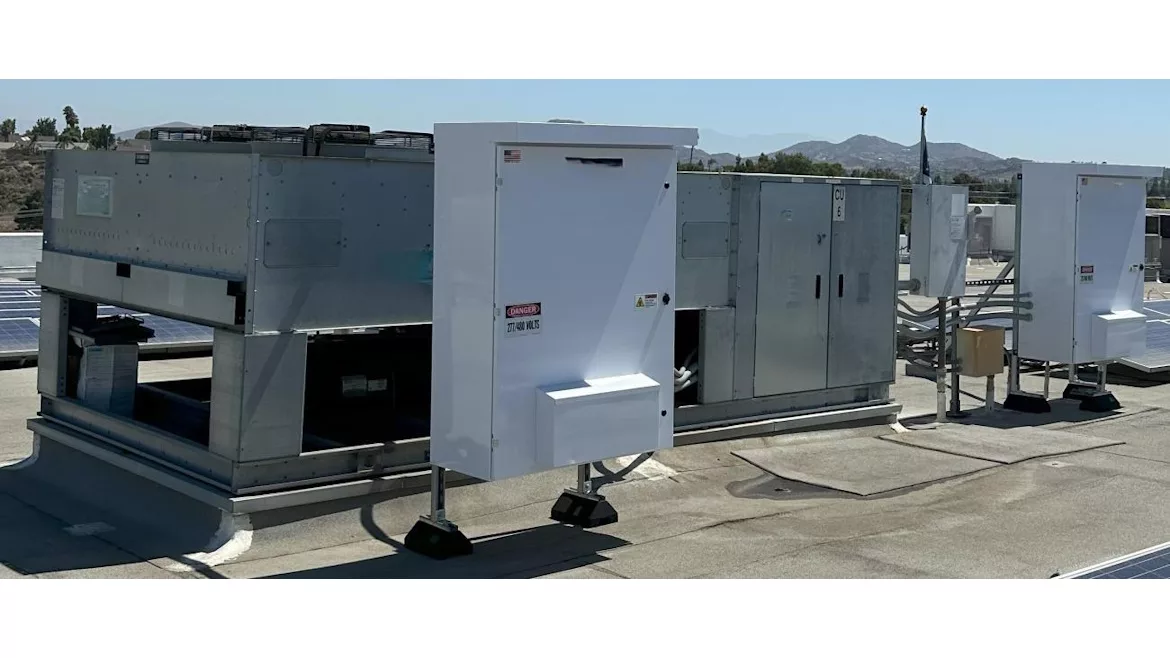
SMART RETROFIT: Intelligent retrofit control strategies offer an opportunity to address challenges such as rising energy costs and evolving efficiency standards, while preserving customer assets.
Across commercial refrigeration and HVAC applications, contractors are increasingly being asked — often in coordination with owners, engineers, or energy consultants — to improve energy performance on systems that were installed long before today’s efficiency expectations. Many of these systems rely on fixed-speed compressors that remain mechanically sound but lack the operational flexibility of newer designs. Full equipment replacement is frequently impractical due to cost, downtime, or site constraints, making retrofit strategies an important consideration for project teams.
In response, a range of retrofit approaches has emerged that aim to improve system performance while preserving existing assets. Among these are advanced compressor control strategies designed to optimize operation under varying load conditions without replacing the compressor itself. Understanding how these approaches work — and when they are appropriate — can help contractors and project stakeholders deliver measurable value while managing technical and operational risk.
Compressor Limitations
Fixed-speed compressors operate at a constant speed and rely on cycling to match system demand. While this simplicity contributes to their durability, it can also lead to operational inefficiencies, particularly in applications with fluctuating loads.
Common challenges include frequent start-stop cycles, high inrush currents, inefficient part-load operation, and increased mechanical stress. Over time, these factors can contribute to higher energy costs, increased maintenance requirements, and reduced equipment life — outcomes that directly affect owners and operators.
Variable-frequency drives (VFDs) are often associated with energy savings, but they are not universally applicable to fixed-speed refrigeration compressors. Electrical compatibility, motor insulation limits, oil management concerns, and manufacturer restrictions can all limit their feasibility.
As a result, contractors and engineering teams have historically relied on incremental adjustments such as control tuning, setpoint changes, or selective component replacement. While useful, these measures may offer limited improvement in systems where load conditions vary significantly throughout the day or year.
Advanced Approaches
Recent developments in control methodologies have focused on improving how fixed-speed compressors respond to real-time system conditions. Rather than relying solely on traditional start-stop cycling, advanced retrofit strategies combine intelligent control algorithms with compatible variable-speed technologies to better align compressor operation with actual load requirements. These approaches aim to reduce short cycling, moderate peak demand, and stabilize system performance while preserving the existing compressor and refrigeration architecture.
Looking for quick answers on air conditioning, heating and refrigeration topics? Try Ask ACHR NEWS, our new smart AI search tool. Ask ACHR NEWS
Field evaluations have demonstrated that advanced compressor control retrofits can deliver measurable improvements when properly selected, installed, and commissioned.
A 2025 field demonstration conducted under Southern California Edison’s CalNEXT Emerging Technologies Program evaluated intelligent compressor control retrofits on fixed-speed refrigeration systems at two refrigerated warehouse facilities in Southern California. Normalized results showed 20% to 22% energy savings and peak demand reductions of 25% to 30% at one site, with a simple payback of approximately 1.7 years. Results varied by installation and operating conditions, underscoring the importance of proper system evaluation and commissioning.
For contractors and project teams working in regions with significant demand charges, peak reduction can be particularly impactful. Even modest reductions in peak load can translate into meaningful cost savings for end users, strengthening the business case for retrofit solutions.
Retrofit Considerations
As with any retrofit, careful evaluation is essential. Contractors, engineers, and commissioning teams should consider system configuration, load profiles, refrigerant type, and existing controls before recommending advanced compressor control strategies.
Installation and commissioning play a critical role in achieving stable operation. Verification under multiple operating conditions helps ensure that control behavior aligns with system requirements. Where possible, measurement and verification should be used to assess performance before and after implementation, with results normalized for operating conditions.
It is also important to recognize that outcomes may vary depending on system configuration and operational practices. Field data indicates that improper defrost timing, control interaction issues, or commissioning gaps can materially affect results. Serviceability and technician familiarity should also be factored into project planning, and retrofit solutions should be supported by clear documentation and accessible diagnostic information for long-term maintenance.
For contractors and project teams, intelligent retrofit control strategies offer an opportunity to address challenges such as rising energy costs and evolving efficiency standards, while preserving customer assets. When applied thoughtfully, these approaches can help bridge the gap between legacy equipment and modern performance expectations, enabling practical, application-oriented solutions that align with today’s operational and economic realities.
Looking for a reprint of this article?
From high-res PDFs to custom plaques, order your copy today!