House Vote Puts Heat Pump Rebates in Jeopardy
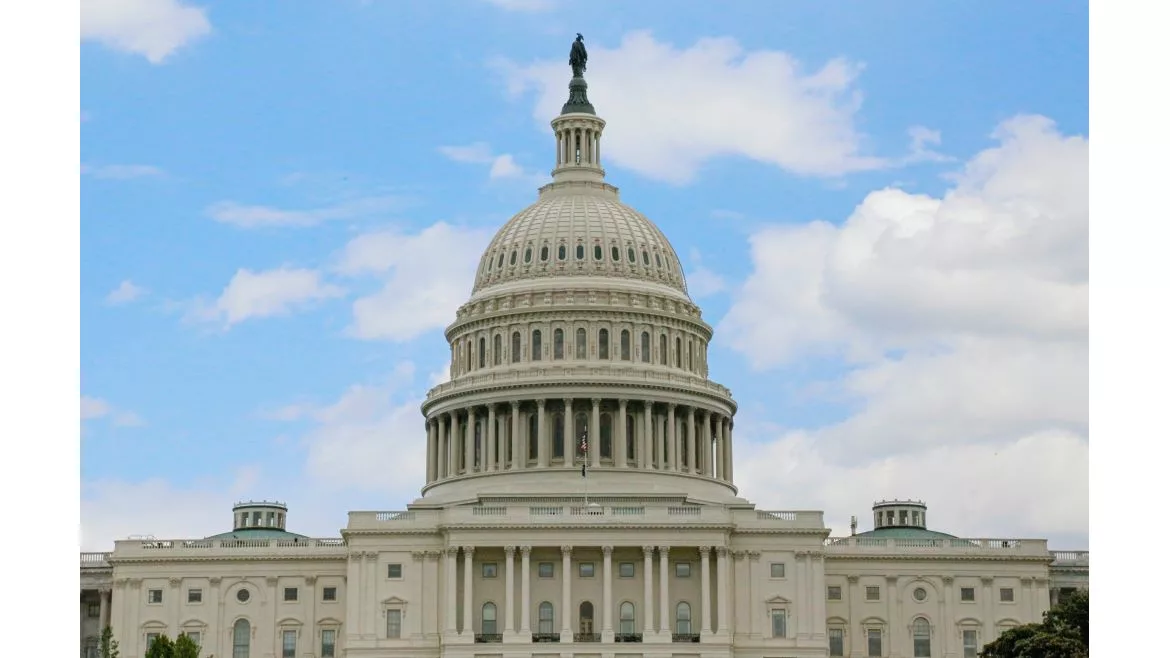
ROLL CALL: The House of Representatives approved two measures that affect the HVAC industry, the Home Appliance and Affordability Act and the Homeowner Energy Freedom Act.
A stalled federal program that incentivizes home electrification — including the installation of heat pumps — may be on its way out, while a change in the way compliance deadlines for new energy efficiency standards are set, long sought by the HVAC industry, may be on its way in.
The Home Appliance Protection and Affordability Act (H.R. 4626), which would revise the rules under which the U.S. Department of Energy (DOE) can set efficiency standards for consumer appliances, was approved by the House of Representatives Feb. 24. Seven Democrats joined 210 Republicans in voting for the measure, while 190 Democrats voted against it and 25 House members did not vote.
The House on Feb. 25 then voted, 210-199, for the Homeowner Energy Freedom Act (H.R. 4758), which would repeal the $4.5 billion Home Electrification and Appliance Rebates (HEAR) program, one of two Inflation Reduction Act rebate programs designed to incentivize residential energy efficiency. One Republican joined the Democrats in voting against it, while 22 members did not vote and one voted “present.”
Both bills now move to the Senate.
The Home Appliance Protection and Affordability Act includes a provision that would mandate that new efficiency standards for HVAC equipment be adopted with a date-of-manufacture or date-of-importing deadline. Currently, when the DOE issues new standards for HVAC equipment, it sets a deadline after which products that don't meet the standards cannot be legally installed, which means distributors and installers can be saddled with stranded equipment.
HVAC industry organizations have pushed for the change for years. HVAC products are the only DOE-regulated products subject to a date-of-installation deadline for meeting new standards.
Francis Dietz, vice president of public affairs at the Air-Conditioning, Heating, and Refrigeration Institute (AHRI), said the group is grateful that the bill would adopt a date-of-manufacture framework.
Looking for quick answers on air conditioning, heating and refrigeration topics? Try Ask ACHR NEWS, our new smart AI search tool. Ask ACHR NEWS
“Using the date of installation for compliance is terrible policy; it is worse when Congress requires an agency to use it, and it’s nearly unfathomable when only one product requires it, while all others use the date of manufacture,” said Alex Ayers, vice president of government affairs at Heating, Air-conditioning & Refrigeration Distributors International (HARDI). “Moving regional standards from date of installation to date of manufacture helps distributors, contractors, and manufacturers to move to newer energy-efficient equipment.”
HEAR offers low- and moderate-income homeowners rebates for the purchase of qualified electrical appliances, including heat pumps, and the rebates are issued by individual states and territories. But while funding has been approved for most states and territories (Idaho and South Dakota are not participating), HEAR stalled during President Donald Trump's administration, and, according to information from Atlas Buildings Hub, only 12 states and the District of Columbia have launched rebate programs.
The loss of HEAR would be a blow to HVAC manufacturers and contractors.
“It’s no secret the Republicans were going after that,” said Mark Valentini, vice president of legislative affairs at the Plumbing-Heating-Cooling Contractors–National Association. “This would just make it official.”
"Over the past several years, many of our members and our industry partners have worked diligently with state energy offices to get those rebate programs off the ground," said Dietz. "We are generally supportive of programs that make our members’ equipment more affordable for consumers."
The Homeowner Energy Freedom Act would also repeal grants for training contractors in energy efficiency, as well as grants to help state and local government adopt specific energy codes. It would also rescind rebate money that states have not obligated.
Among its other provisions, the Home Appliance Protection and Affordability Act would compel the DOE to consider additional factors related to the cost and availability of consumer products when changing energy standards for those products. It would also set new criteria for judging whether a new standard is economically justified, and allow the DOE to grant a petition to revoke or amend a standard if it means additional costs for consumers, does not lead to significant energy savings, is not technologically feasible, and results in a product being unavailable.
Looking for a reprint of this article?
From high-res PDFs to custom plaques, order your copy today!