Guest Column
Smarter, Faster, Verified: The New Era of HVAC Commissioning
Digital tools help contractors get installations right the first time and prove it with data
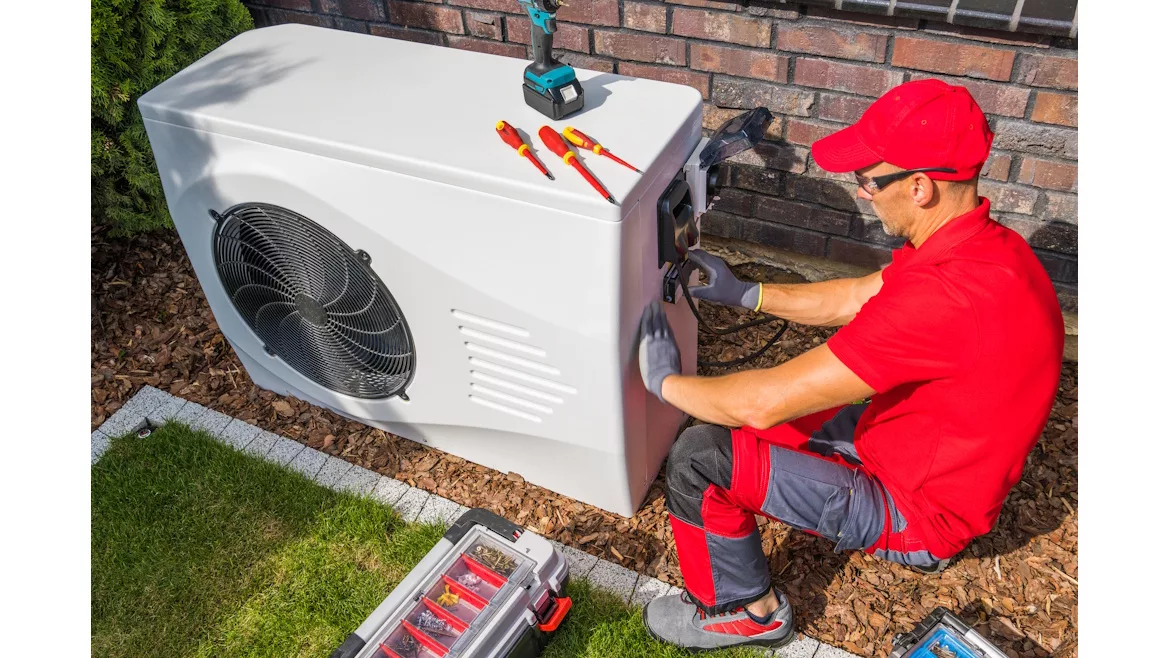
FIXABLE FAULTS: Digitally assisted commissioning can help contractors catch the faults that the DOE said are hiding in most installs.
The U.S. Energy Information Administration (EIA) estimates that HVAC use accounts for the highest share of electric costs in both homes and buildings. To improve energy efficiency and reduce operating expenses, building operators and homeowners are increasingly looking for ways to optimize HVAC performance.
Proper start-up and commissioning practices play a key role in achieving these goals. Yet a lack of standardized commissioning protocols and time constraints on the job often lead contractors to bypass some of these best practices.
Emerging smart tools are now helping to streamline and simplify these processes. By leaning into digitally assisted start-up and commissioning, technicians can reduce time on site, minimize the potential for follow-up service calls, and deliver the highest quality standards to their customers.
The Case For More Complete Commissioning
Generally, HVAC commissioning is conducted as part of the initial installation process and involves a detailed evaluation of start-up, shutdown, and the full sequence of operations. The complete process varies between commercial and residential applications, but in both environments, following the manufacturer’s requirements and industry best practices can ensure the equipment is able to meet its intended energy efficiency rating and help to ensure that future service and maintenance calls are more effective and efficient.
In commercial applications, ASHRAE Guidelines 0, 0.2, 1.1, and 1.2 outline structured processes and technical requirements that detail proper commissioning, maintenance, and documentation of HVAC equipment for both new and retrofit installations. Additionally, ASHRAE Standard 111-2024 offers a detailed framework including standardized procedures for measuring, testing, adjusting, balancing, evaluating, and reporting equipment performance and complying with local building codes.
Following these guidelines can reduce energy consumption by as much as 20% within the average commercial building. Additionally, this information provides a benchmark for technicians who work on the unit in the future, allowing them to diagnose potential issues, like cooling capacity loss, earlier.
In residential applications, the Air Conditioning Contractors of America (ACCA) Quality Installation Specification guide, ANSI/ACCA 5 QI – 2015, details the minimum requirements for quality HVAC system design, installation, and testing. Within these guidelines are protocols for evaluating refrigerant charge, airflow, ductwork, equipment size, and system controls. Each phase within the process must be documented. Contractors have the option to submit installation documentation to ACCA for Quality Installation (QI) certification providing verification that the equipment was deployed to the highest standard. In some instances, providing photographic evidence of the installation may also be required to ensure eligibility for some rebate programs.
Looking for quick answers on air conditioning, heating and refrigeration topics? Try Ask ACHR NEWS, our new smart AI search tool. Ask ACHR NEWS
In both applications, commercial and residential contractors must know how to calculate heating and cooling loads, fabricate and install ductwork, and fasten line sets to accommodate pressurized refrigerants. Done manually, this can be a time-intensive process that is often overlooked. In fact, the Department of Energy (DOE) estimates that upwards of 70% of installed residential air conditioner-heat pump systems incur at least one performance-compromising fault that could have been avoided with proper commissioning. These faults contribute to as much $2.5 billion in wasted energy costs each year, so preventing them through complete, accurate commissioning can result in significant savings for building and homeowners alike.
Driving Commissioning Best Practices With Smart Tools
Proper commissioning plays a crucial role in quality assurance that can drive equipment performance, minimize unplanned service calls, and deliver measurable efficiency improvements and cost savings. However, commissioning has historically been viewed as a complex, time-intensive process that required the assistance of additional staff or specialized equipment. As a result, commissioning protocols may be overlooked to meet deadlines or to minimize upfront costs.
Emerging technologies are streamlining commissioning practices by standardizing and simplifying these processes. Smart tools, such as mobile HVAC applications designed for professionals, can streamline workflows to reduce time while improving accuracy. For example, the GoTemp Pro app is a free tool available in both Google Play and Apple Stores, designed to support contractors while on the job. The app provides instant access to unique product information and resources, including installation manuals, training materials, commissioning documents, and start-up guides.
Within the app, contractors can access dynamic, question-based start-up sheets that are tailored by equipment so they can go directly to the information they need. Each sheet is designed to guide the technician through commissioning while allowing them to record critical start-up data. Guardrails built into the software alert users if values outside the expected range are detected. Technicians can then pinpoint the specific issue and make corrections, or remotely connect to a service technician for support, ensuring accuracy and successful product commissioning. Depending on the equipment application, contractors can also find details on fault codes, control files, performance reports, and building automation system (BAS) points, all in one location, to further simplify the process.
After the start-up sheet is submitted, a copy is sent to the distributor and contractor, providing valuable data-backed “proof points” that build customer confidence and support the rationale behind any recommended repairs in the future. In some instances, submission may also qualify for additional labor warranties, dependent on the product and contractor credentials.
A Smarter Path To HVAC Performance
In both commercial and residential applications, start-up and commissioning are essential for energy- and cost-efficient HVAC operation. As contractors are increasingly spread thin, these best practices can be overlooked because of their once time-intensive processes.
Today, smart tools are transforming how contractors approach start-up and commissioning. Digital guides and apps can help to simplify these crucial processes while driving quality installations. Less time is required to complete vital diagnostic procedures and reporting. If technical support is required, technicians can now access detailed product information or connect to a support expert remotely from the field.
By embracing the smart tools available now, contractors can ensure equipment is installed to the highest quality, delivering optimal energy efficiency and performance for their customers while minimizing time on the job.
Looking for a reprint of this article?
From high-res PDFs to custom plaques, order your copy today!


.webp?height=200&t=1756963424&width=200 "Facilio-Refrigeration-Compliance")